Cedar of Lebanon Care & Identification Guide
The magnificent Cedar of Lebanon (Cedrus libani) is a colossal and highly spectacular evergreen conifer native to the mountainous regions of the Mediterranean, celebrated globally as a historic symbol of strength and majestic beauty. It forms a breathtaking horizontal, flat-topped crown when mature, with wide, sweeping branches. Highly prized for its aromatic, rot-resistant wood, it features short, dark-green needles in tufts and large barrel-shaped cones. It requires gritty alkaline loam and dry summers.





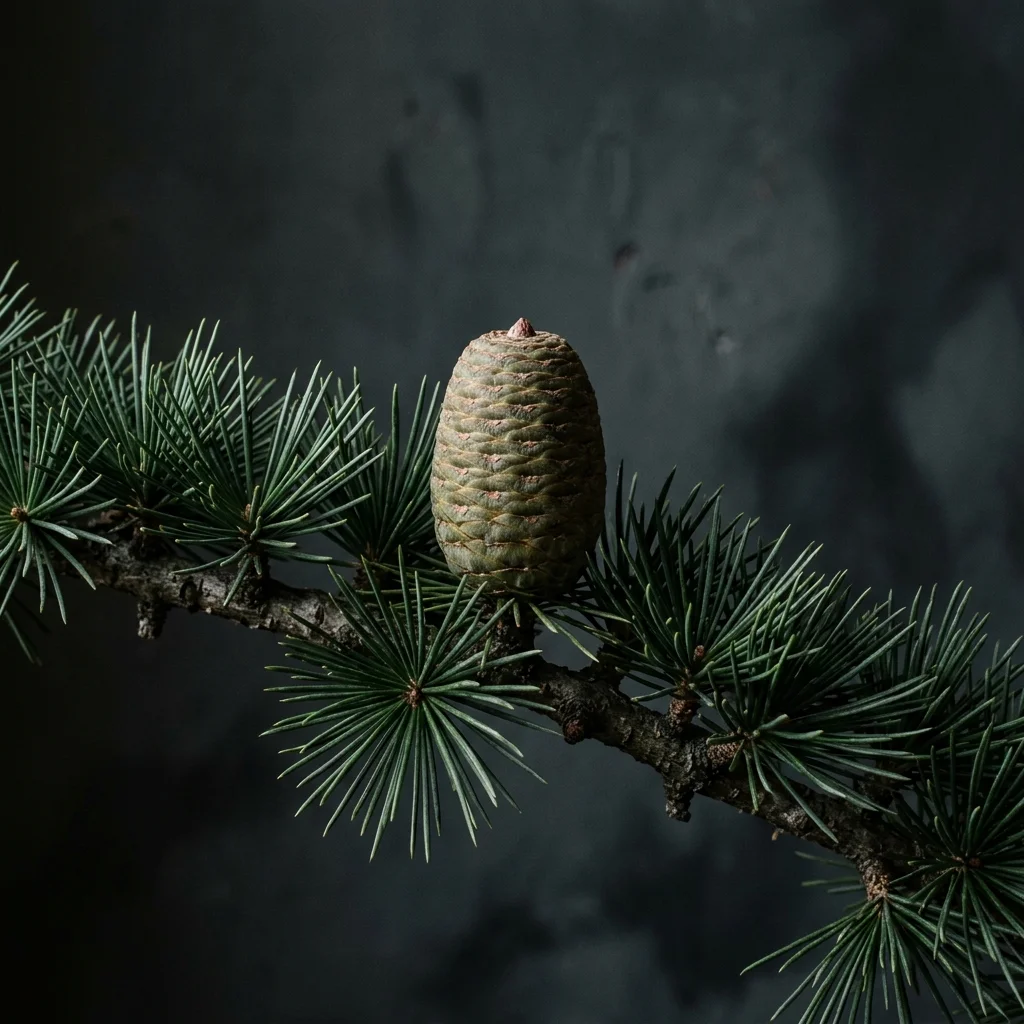
How to Identify Cedar of Lebanon
Identify Cedar of Lebanon immediately by its highly distinct biological features. Native to its specific ecosystem, it showcases spectacular foliage and structural habits optimized for its environment.
-
✓
Distinctive Features: Horizontal flat-topped layers of branches, with short needles clustered in dense tufted spur shoots and barrel-shaped upright cones.
-
✓
Typical Coloration: Deep blackish-green to dark emerald foliage, with rough, deeply cracked dark grey bark.
-
✓
Potential Confusions: Similar to Deodar Cedar, but distinguished by its rigid, horizontal branching and flat-topped mature crown.
11-Step Professional Care & Planting Guide
💧 【Watering & Moisture】 Water sparingly. Once established, it is extremely drought-tolerant. Water deeply once a month during dry summer periods.
☀️ 【Sunlight & Exposure】 Requires full direct sun. Needs hot, dry summers and intense light to optimize its aromatic wood oil production.
🪴 【Ideal Soil Mix】 Prefers alkaline, calcareous, gritty soil. Blend 50% sandy loam, 30% crushed limestone/gravel, and 20% organic compost.
🌡️ 【Temperature & Winter Care】 Cold-hardy (USDA Zone 6-9). Extremely heat-resistant. Protect young trees from heavy, wet winter snow load.
✂ 【Pruning & Grooming】 Prune only to remove competing double-leader stems when young. Let the mature horizontal branching develop naturally.
🧪 【Fertilization】 Apply a light organic top-dress of compost or bone meal in early spring. Avoid chemical fertilizers.
🏺 【Potting & Garden Planting】 Plant in deep, open limestone soils. Dig a wide hole, backfill with gritty calcareous loam, and secure with stakes.
🌱 【Propagation】 Propagated by sowing seeds harvested from woody barrel-shaped cones, requiring cold stratification for 4 weeks.
🐛 【Common Pests】 Generally highly resistant to insects due to aromatic wood oils. Watch for occasional cedar aphids.
🦠 【Common Diseases】 Susceptible to root rot in waterlogged, compacted soils. Crushed limestone drainage is essential.
🎓 【Botanist Advice】 The Cedar of Lebanon loves limestone! Adding a cup of dolomitic lime or crushed gravel to the planting hole perfectly mimics its native mountain cliffs.
Frequently Asked Questions
Q: Why is the wood of Cedar of Lebanon famous?
A: Its wood is exceptionally durable, fragrant, and completely rot-resistant. It was used in antiquity to build the Temple of Solomon and Phoenician ships.
Q: Is the Cedar of Lebanon safe for pets?
A: Yes, Cedrus libani is completely non-toxic and pet-safe for cats and dogs.
Q: Why is the top of the tree flat?
A: This is its classic mature growth habit! While young trees are conical, mature specimens lose their central leader and grow wide horizontal branches, forming a flat top.
Q: Can I grow it in wet, soggy clay?
A: Absolutely not! Its roots will rot quickly. It requires excellent drainage and gritty, rocky soil.