Apple Tree Care & Identification Guide
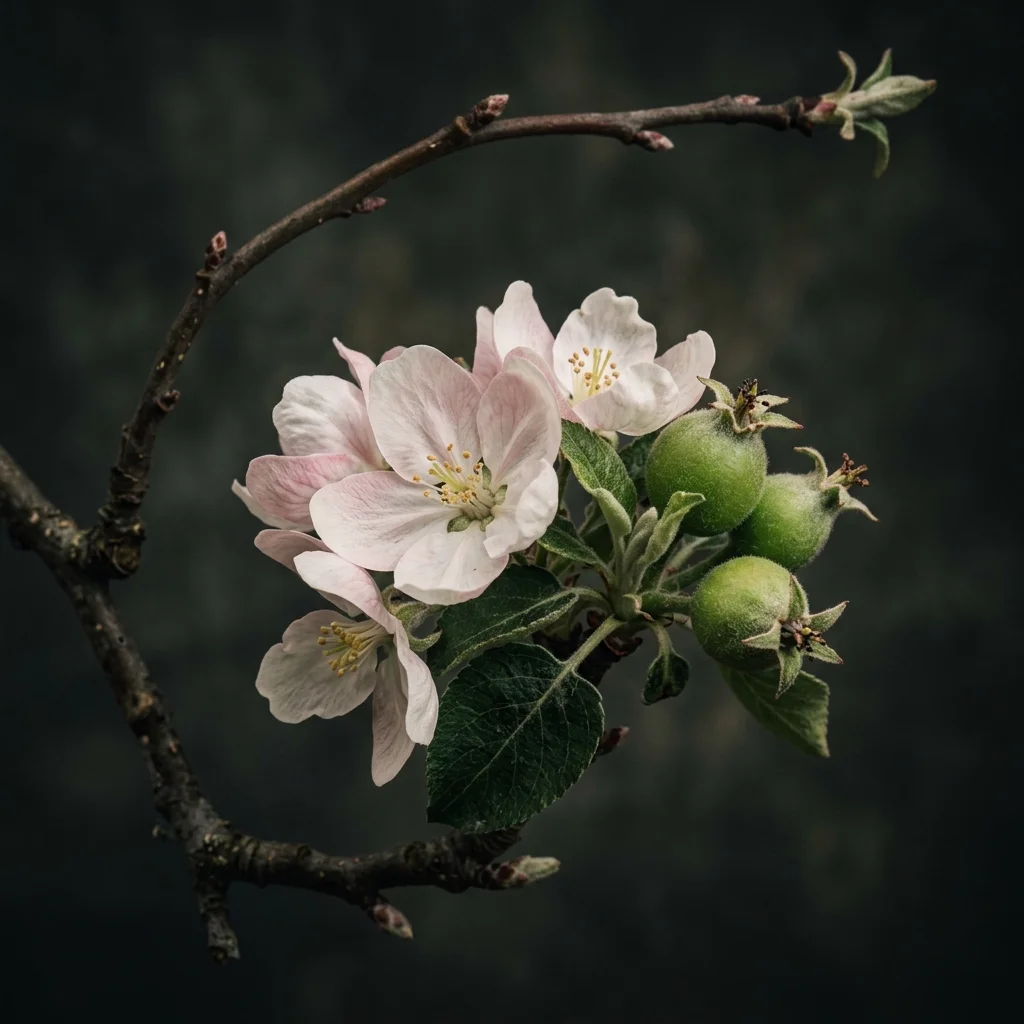
The magnificent Apple Tree (Malus domestica) is a highly spectacular deciduous orchard classic native to Central Asia, celebrated globally for its crisp, sweet, and highly nutritious pomaceous fruits and clouds of delicate white-pink blossoms in early spring. It features simple oval leaves with serrate margins. Growing into a dense spreading crown, it is the cornerstone of temperate fruit production. It requires deep, well-draining organic-rich acidic loam, full direct sun, and moderate watering. Critical Warning: The seeds contain toxic amygdalin which releases hydrogen cyanide when chewed.




How to Identify Apple Tree
Identify Apple Tree immediately by its highly distinct biological features. Native to its specific ecosystem, it showcases spectacular foliage and structural habits optimized for its environment.
-
✓
Distinctive Features: Delicate single-petaled white-pink flowers with numerous golden stamens, simple alternate serrated leaves, and classic round pomaceous edible fruits.
-
✓
Typical Coloration: Soft white-pink spring blossoms, rich emerald-green summer foliage, and bright red, yellow, or green mature fruits.
-
✓
Potential Confusions: Similar to Crabapple, but distinguished by its significantly larger, sweet edible fruits (crabapples produce tiny, extremely sour fruits under 2 inches in diameter).
11-Step Professional Care & Planting Guide
💧 【Watering & Moisture】 Water moderately. Prefers consistently moist soil when establishing. Mature orchard trees require deep weekly watering during active fruit development, especially in hot summer spells.
☀️ 【Sunlight & Exposure】 Requires full direct sun (minimum 6-8 hours daily). Full sunlight is crucial to drive maximum photosynthesis for sweet sugar development in the crisp fruits.
🪴 【Ideal Soil Mix】 Requires rich, deep, sandy-clay loam with excellent drainage. Blend 50% loam, 30% organic compost, and 20% peat moss (optimal pH 6.0-6.8).
🌡️ 【Temperature & Winter Care】 Cold-hardy (USDA Zone 3-9). Requires 500 to 1,000 winter chilling hours below 7°C to break winter dormancy and trigger vigorous spring blossom bud formation.
✂ 【Pruning & Grooming】 Prune annually in late winter when dormant. Use the open-center or central-leader method to maximize sunlight penetration and air circulation throughout the canopy.
🧪 【Fertilization】 Feed in early spring with an organic balanced fruit tree fertilizer. Avoid high-nitrogen feeds in summer which promote leafy green growth at the expense of fruit production.
🏺 【Potting & Garden Planting】 Plant in highly sunny lawn spots. Dig a very large hole twice the root ball diameter, keep the graft union at least 2 inches above the soil line, and mulch deeply.
🌱 【Propagation】 Propagated exclusively by grafting premium cultivars (like Honeycrisp or Gala) onto clonal rootstocks (such as M9 or M26) in late winter.
🐛 【Common Pests】 Susceptible to codling moths, aphids, apple maggots, and spider mites. Apply organic neem oil sprays and hang pheromone traps in spring.
🦠 【Common Diseases】 Vulnerable to apple scab fungus, powdery mildew, and highly destructive fire blight bacteria. Prune away infected branches immediately and sanitize tools.
🎓 【Botanist Advice】 Extremely critical poison warning: The apple seeds contain Amygdalin, a cyanogenic glycoside that releases highly lethal hydrogen cyanide when chewed and digested by dogs, cats, or children! Always core apples before feeding them to pets.
Frequently Asked Questions
Q: Why is my apple tree not producing fruits?
A: This is usually due to lack of pollination or winter chilling! Most apple trees are not self-fertile and require a different apple cultivar planted nearby for cross-pollination. They also need sufficient cold winter hours to trigger flower buds.
Q: Are apple seeds toxic to dogs?
A: Yes, apple seeds contain Amygdalin, a toxic cyanogenic compound that releases deadly hydrogen cyanide when crushed or chewed. Always remove the core and seeds before feeding apples to pets.
Q: What is winter chilling hours?
A: Chilling hours are the cumulative number of hours below 7°C (45°F) during winter dormancy. Apple trees require this cold period to biochemically reset and trigger proper spring blossoming and leaf growth.
Q: How fast does an apple tree grow?
A: Standard apple trees grow moderately at 1 to 2 feet per year, eventually reaching 20 to 30 feet, while dwarf grafted varieties stay under 8-10 feet for easy picking.