Ti Plant Care & Identification Guide
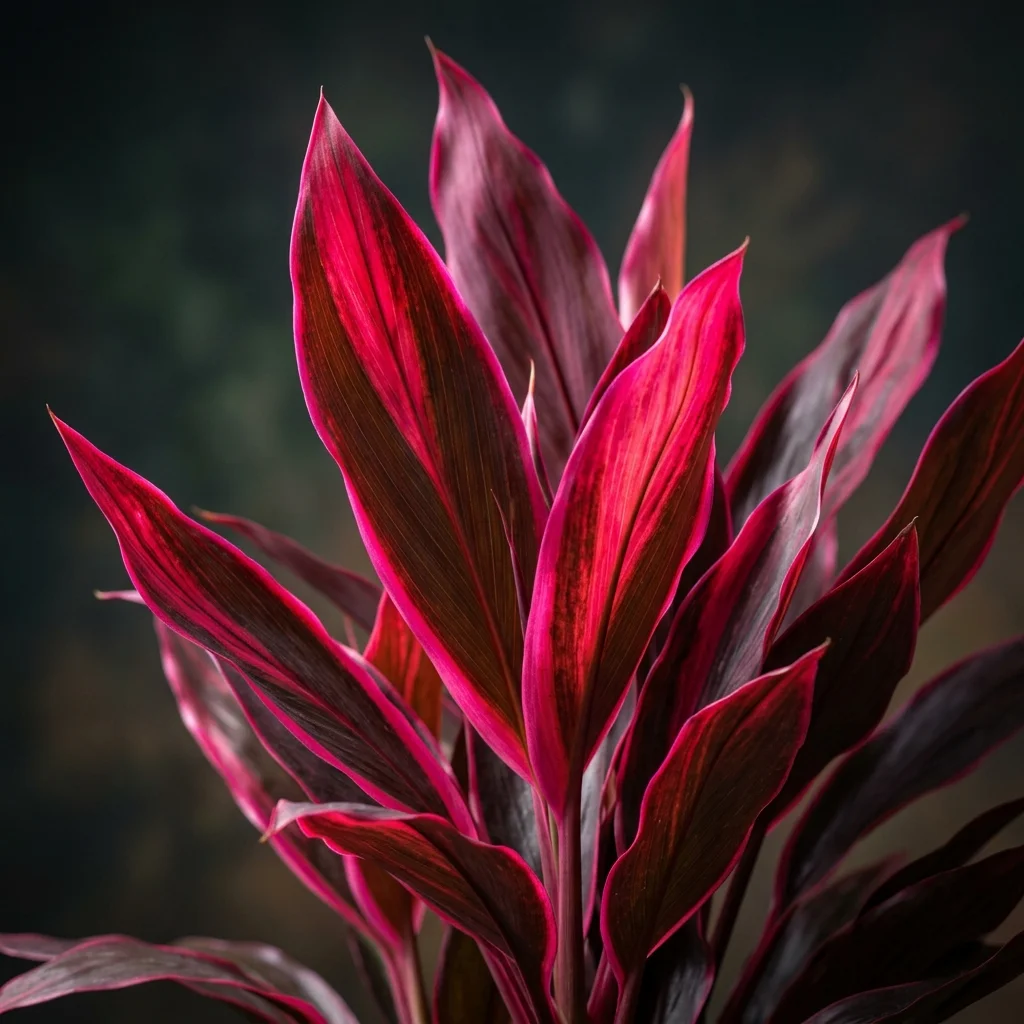
The Ti Plant (Cordyline fruticosa) is a highly spectacular evergreen tropical shrub native to Southeast Asia, Papua New Guinea, and the Pacific Islands. Revered by ancient Polynesians as a sacred plant possessing protective spiritual powers, its leaves were traditionally used to thatch roofs, wrap food, and weave grass skirts. Botanically, it features a lush cluster of lanceolate leaves displaying highly saturated, intense colors ranging from deep burgundy to neon pink and bright magenta margins. TOXICITY WARNING: The Ti Plant contains toxic saponins. Ingestion by cats or dogs causes severe drooling, vomiting (occasionally with blood), depression, and dilated pupils.




How to Identify Ti Plant
Identify Ti Plant (Cordyline fruticosa) immediately by its distinctive leaf arrangements, wood structures, and flowers. Recognizing its definitive visual traits is key to distinguishing it from other similar species.
-
✔
Distinctive Features: Lush, sword-like lanceolate leaves clustered spirally at the stem tips, featuring brilliant stripes of deep burgundy-purple, neon pink, and bright magenta margins.
-
✔
Typical Coloration: Deep plum-burgundy and bright neon pink leaves, growing on upright cane-like woody stalks.
-
✔
Potential Confusions: Commonly confused with Dracaena species due to the similar cane growth habit, but Ti Plant is distinguished by its petiolate leaves (leaves with stalks) and distinct pinkish-magenta variegation.
Complete Care & Cultivation Guide
Follow our detailed scientific care guide to keep your Ti Plant thriving and gorgeous all year round.
Frequently Asked Questions
Why are the leaves of my Ti Plant losing their bright pink color?
Fading color is typically caused by insufficient light. Move the plant to a location with brighter, indirect sunlight to stimulate the production of vibrant magenta and burgundy pigments.
Is the Ti Plant toxic to cats and dogs?
Yes! Cordyline fruticosa contains toxic steroidal saponins. If ingested by pets, it causes severe gastrointestinal irritation, vomiting (sometimes bloody), excessive salivation, depression, and dilated pupils.
How can I increase the humidity for my indoor Ti Plant?
Place the pot on a tray filled with pebbles and water (ensuring the bottom of the pot does not sit in water), group it with other tropical plants, or use a cool-mist humidifier nearby.
What is the cultural significance of the Ti Plant?
In Hawaiian and Polynesian cultures, the Ti Plant (Ki) is a sacred symbol of good luck, protection, and prosperity. It is traditionally planted around homes to ward off negative spirits.