Sweetspire Care & Identification Guide
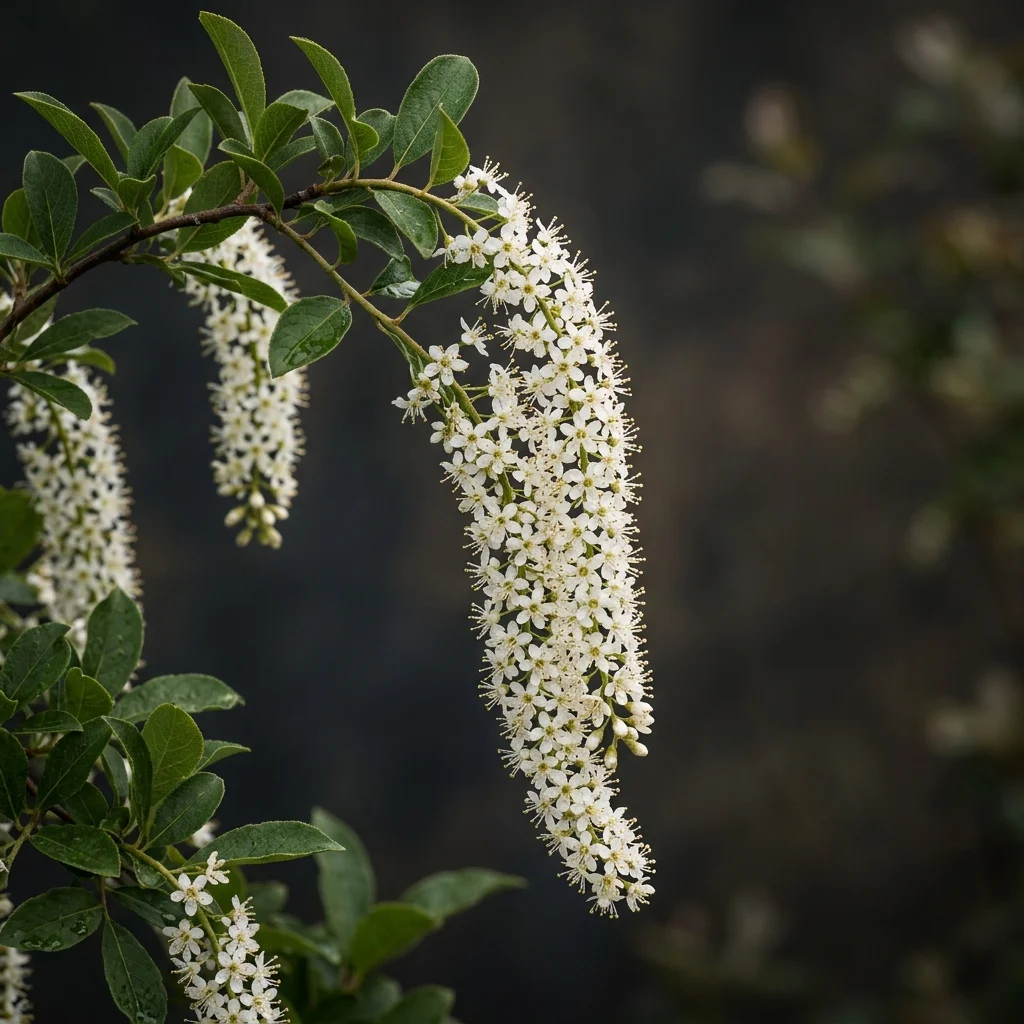
Sweetspire (Itea virginica), specifically the Virginia Sweetspire, is a highly spectacular deciduous woodland shrub native to the swamps, wet woods, and stream banks of the southeastern United States. Celebrated for its long, elegantly arching tassels of fragrant white flowers that cascade down over rich green leaves, it is a highly versatile plant that tolerates both wet clay and heavy shade. The defining feature of Sweetspire is its breathtaking, incredibly intense autumn foliage; as winter approaches, the green leaves accumulate high levels of anthocyanin pigments, turning a deep, glowing garnet-red that persists for weeks, even after the leaves have fallen.





How to Identify Sweetspire
Identify Sweetspire (Itea virginica) immediately by its distinctive leaf arrangements, wood structures, and flowers. Recognizing its definitive visual traits is key to distinguishing it from other similar species.
-
✔
Distinctive Features: Long, gracefully arching cylindrical racemes (tassels) of tiny, fragrant five-petaled white flowers, cascading down over oblong, finely-toothed green leaves.
-
✔
Typical Coloration: Pure white cylindrical flower tassels, deep green leaves that flush glowing garnet-red in autumn, and reddish twigs.
-
✔
Potential Confusions: Superficially confused with Clethra alnifolia (Summersweet) due to similar white flower spikes, but Sweetspire is easily distinguished by its long, arching, cascading tassels, whereas Clethra has stiffly erect flower spikes.
Complete Care & Cultivation Guide
Follow our detailed scientific care guide to keep your Sweetspire thriving and gorgeous all year round.
Frequently Asked Questions
Why is the Virginia Sweetspire called 'Sweetspire'?
Because of its long, spiring flower tassels that are densely packed with small white blossoms that release a highly sweet, honey-like fragrance during late spring.
Is Sweetspire safe for dogs and cats?
Yes! Itea virginica is completely non-toxic to dogs, cats, and other household animals. It is a highly safe, color-rich addition to pet-friendly gardens.
Can Sweetspire grow in heavy clay soil?
Yes! Unlike many other garden shrubs, Sweetspire thrives in wet clay soils and can even tolerate seasonal flooding. It is an excellent choice for rain gardens or low-lying areas.
How does the autumn color of Sweetspire develop?
As autumn temperatures drop, the leaves produce intense red anthocyanin pigments. If planted in full sun, the leaves will turn a stunning, uniform garnet-red that lasts into early winter.