Summersweet Care & Identification Guide
Summersweet (Clethra alnifolia), commonly known as Sweet Pepperbush, is an exceptionally beautiful, late-blooming deciduous shrub native to wetlands, swamps, and stream banks of eastern North America. Globally celebrated for its ability to produce highly fragrant, upright spikes of small white flowers in mid-to-late summer (July and August) when most other shrubs have finished blooming, it is a vital food source for butterflies and hummingbirds. Botanically, it is a highly shade-tolerant, bog-loving pioneer species that thrives in wet, saturated, and highly acidic organic peat soils, where its dense root system excels in stabilizing muddy shorelines.





How to Identify Summersweet
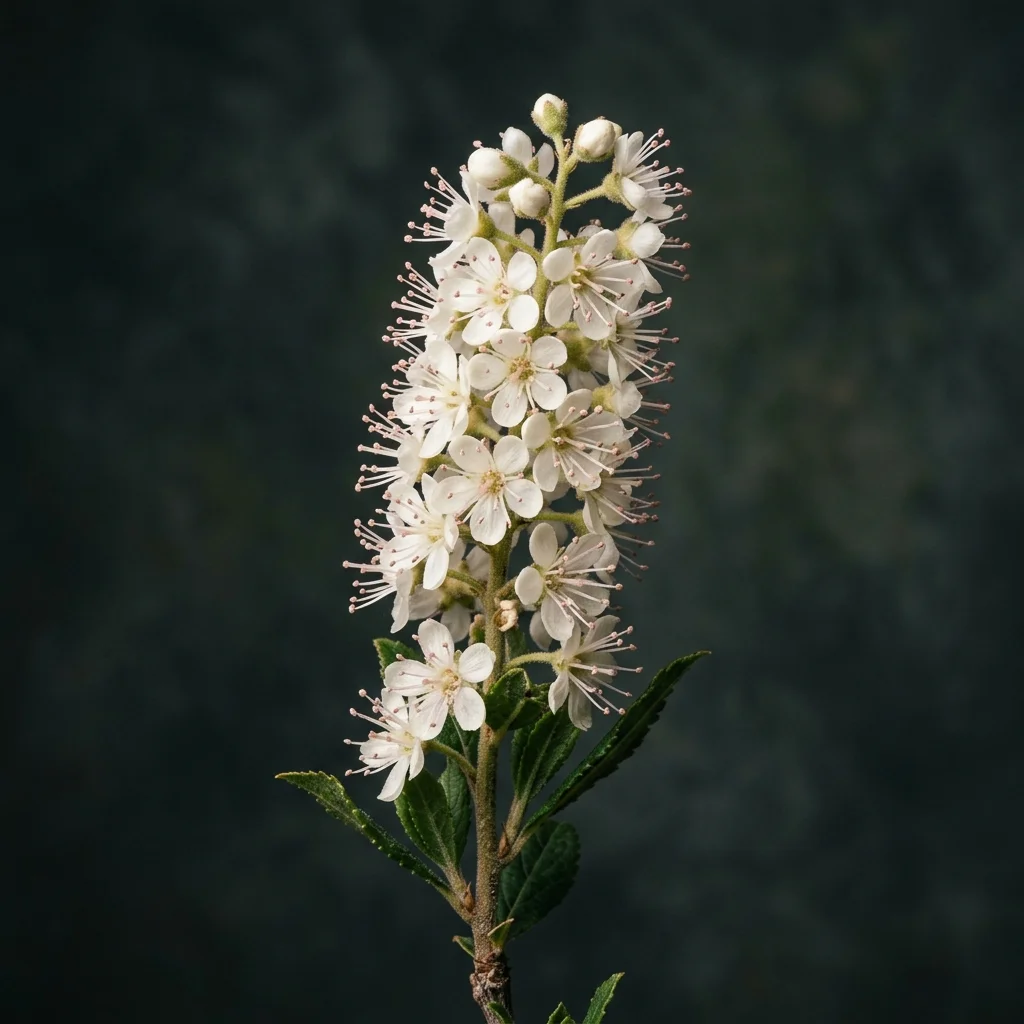
Identify Summersweet (Clethra alnifolia) immediately by its distinctive leaf arrangements, wood structures, and flowers. Recognizing its definitive visual traits is key to distinguishing it from other similar species.
-
✔
Distinctive Features: Stiffly erect, dense spikes of small, highly fragrant five-petaled white flowers with pinkish-white stamens, growing over obovate, finely-toothed green leaves.
-
✔
Typical Coloration: Pure white erect flower spikes, deep green leaves that turn clear golden-yellow in autumn, and dark brown branches.
-
✔
Potential Confusions: Can be confused with Itea virginica (Sweetspire) due to the white spring-summer flowers, but Clethra has stiffly erect, vertical flower spikes, whereas Itea features gracefully drooping, cascading tassels.
Complete Care & Cultivation Guide
Follow our detailed scientific care guide to keep your Summersweet thriving and gorgeous all year round.
Frequently Asked Questions
Why is it called the 'Sweet Pepperbush'?
It is named for the highly sweet, spicy fragrance of its summer flowers, and its dry, round autumn seed capsules which closely resemble black peppercorns.
Is Summersweet safe for pets?
Yes! Clethra alnifolia is completely non-toxic to dogs, cats, and horses. It is a highly safe, color-rich and fragrant addition to pet-friendly gardens.
Does Summersweet attract pollinators?
Yes! It is one of the absolute best summer shrubs for attracting bumblebees, butterflies, and hummingbirds to your garden, as it blooms in July and August when other nectar sources are scarce.
Why is my Summersweet slow to leaf out in spring?
Don't worry! Summersweet is naturally one of the last deciduous shrubs to break dormancy in spring, often not producing leaves until late May. Once it starts, it grows very rapidly.