Silver Mound Care & Identification Guide
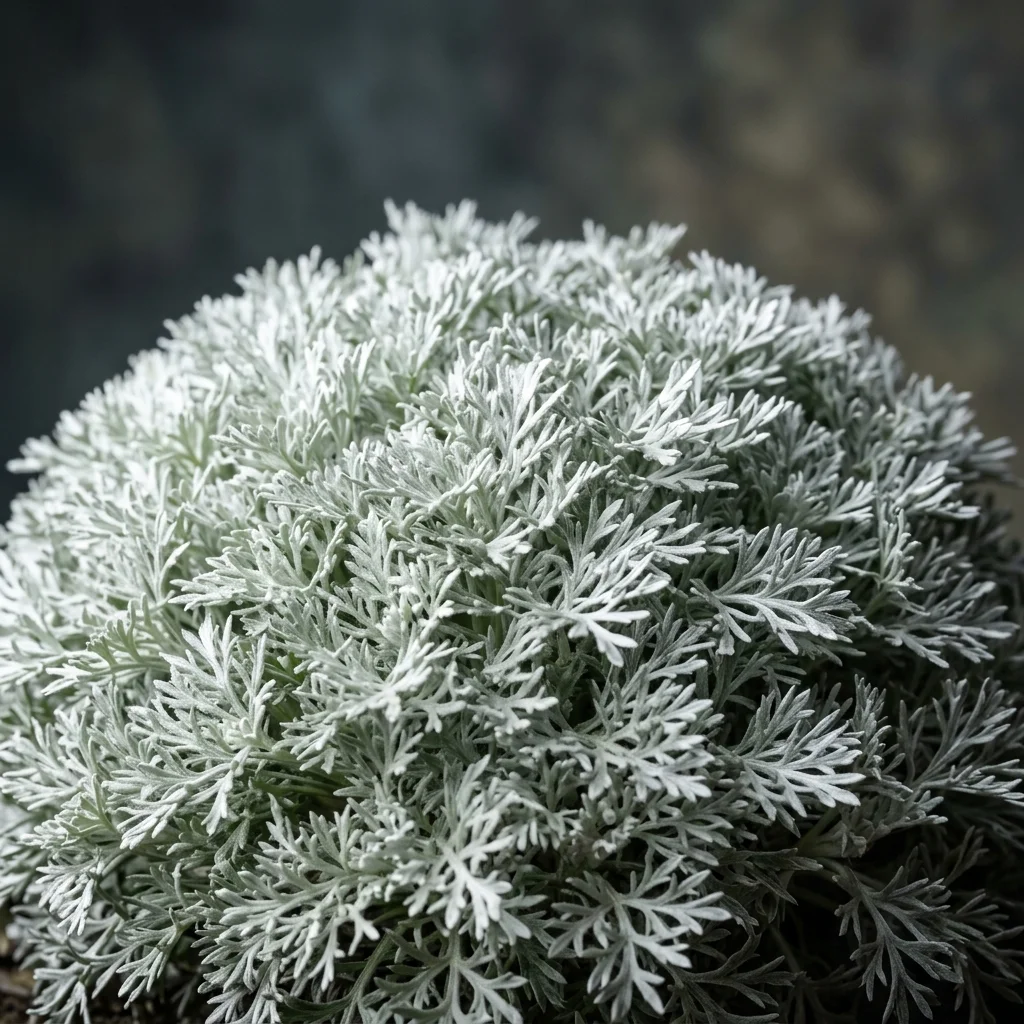
Silver Mound (Artemisia schmidtiana) is an exceptionally beautiful, low-growing herbaceous evergreen or semi-evergreen shrub, prized for its perfect, dome-like cushion habit and remarkably soft, touchable foliage. The leaves are dissected into fine, thread-like segments that are densely covered with silky, silver-white hairs. This silver coat acts as a highly specialized physiological sunscreen, reflecting harsh solar radiation and trapping moisture in dry, exposed environments. Originating from rocky coastal cliffs of Japan, it is highly favored in rock gardens, borders, and xeriscaping.





How to Identify Silver Mound
Identify Silver Mound (Artemisia schmidtiana) immediately by its distinctive leaf arrangements, wood structures, and flowers. Recognizing its definitive visual traits is key to distinguishing it from other similar species.
-
✔
Distinctive Features: A tight, rounded mound of finely texture-dissected, feathery foliage that feels incredibly silky and soft, with insignificant, small nodding yellow-white flower heads in midsummer.
-
✔
Typical Coloration: Luminous silver-white to pale metallic blue-green leaves, forming a shimmering dome, with small cream-colored flowers.
-
✔
Potential Confusions: Sometimes confused with common Lavender Cotton (Santolina) or Silver Brocade Artemisia, but Silver Mound is easily recognized by its extremely fine, thread-like, touchable leaf texture and its perfect dome shape.
Complete Care & Cultivation Guide
Follow our detailed scientific care guide to keep your Silver Mound thriving and gorgeous all year round.
Frequently Asked Questions
Why did my Silver Mound split open in the middle?
Splitting is usually caused by too much water, excessive fertilizer, or high summer humidity, which makes the foliage grow too fast and floppy. Cutting the plant back by half in summer solves this immediately.
Is Silver Mound toxic to cats and dogs?
Yes. Artemisia schmidtiana contains absinthin and other sesquiterpene lactones that can cause vomiting, diarrhea, depression, and tremors if ingested in large quantities by pets.
Does Silver Mound keep its silver color in winter?
In cold climates, it will die back to the ground in winter and re-emerge in spring. In mild climates, it remains semi-evergreen but can look slightly duller during winter dormancy.
Can I use Silver Mound as a lawn replacement or groundcover?
Yes, in small, sunny, low-traffic rock garden areas. It cannot tolerate heavy foot traffic due to its soft, delicate stems, but it makes a beautiful border edger.