Sand Cherry Care & Identification Guide
The Sand Cherry (Prunus pumila), commonly known as Eastern Sand Cherry, is a highly robust, low-growing deciduous fruit shrub native to the sandy beaches, dunes, and rocky shores of eastern North America. Famed for its ability to thrive in extremely dry, shifting sand substrates along coastlines and lake shores, it features an extensive root network that excels in dune stabilization and soil retention. In early spring, it produces a spectacular, snowy blanket of white five-petaled flowers, followed in late summer by clusters of shiny, dark purplish-black cherries that are highly prized by birds and wildlife.




How to Identify Sand Cherry
Identify Sand Cherry (Prunus pumila) immediately by its distinctive leaf arrangements, wood structures, and flowers. Recognizing its definitive visual traits is key to distinguishing it from other similar species.
-
✔
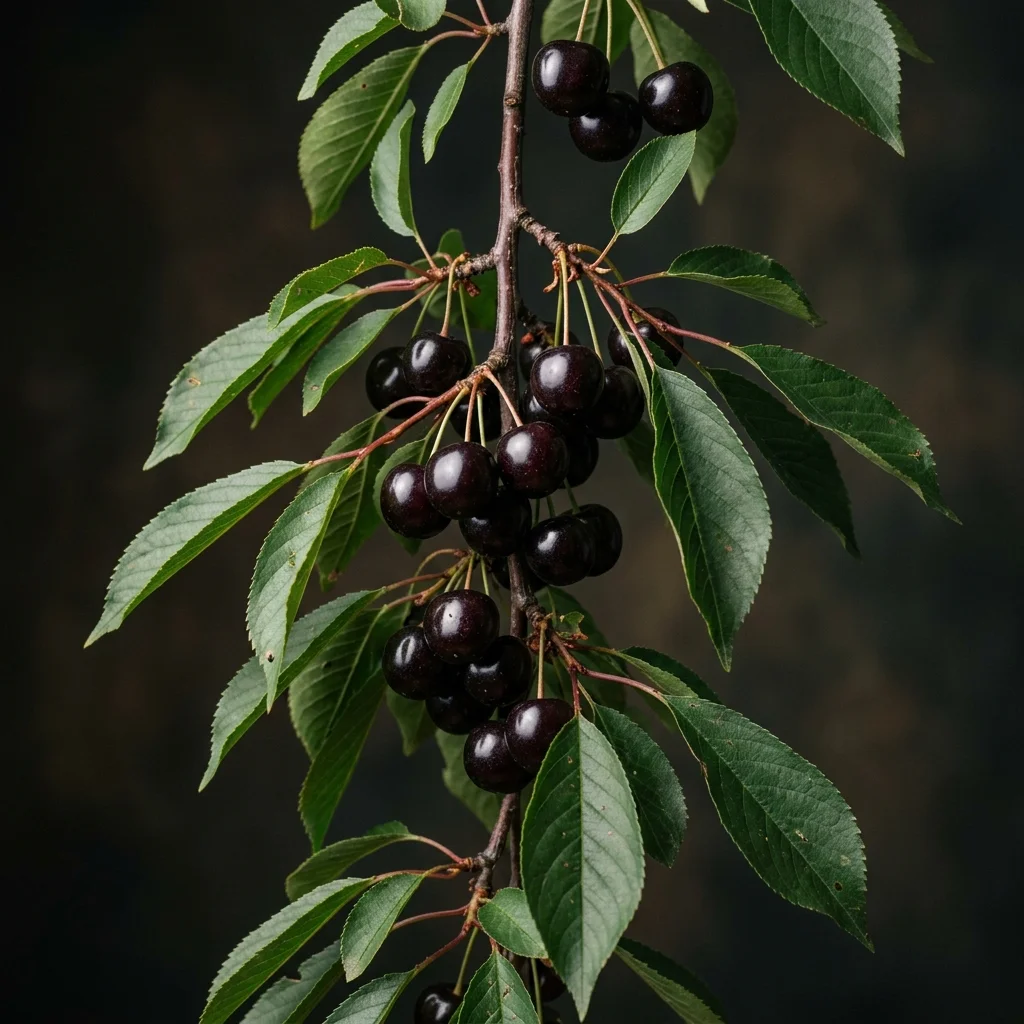
Distinctive Features: Clusters of shiny, dark purplish-black cherries hanging among lanceolate dark-green leaves, with dense white five-petaled spring flowers along gnarled gray branches.
-
✔
Typical Coloration: Shiny dark purplish-black cherries, pure white spring blossoms, and grayish-brown bark.
-
✔
Potential Confusions: Sometimes superficially confused with Chokecherry (Prunus virginiana), but Sand Cherry is easily distinguished by its much lower, sprawling shrubby beach growth habit and narrower, lanceolate leaves.
Complete Care & Cultivation Guide
Follow our detailed scientific care guide to keep your Sand Cherry thriving and gorgeous all year round.
Frequently Asked Questions
Are the cherries of the Sand Cherry edible?
Yes! The dark cherries are edible, sweet-tart, and delicious. They are widely harvested to make famous coastal jams, jellies, and cordials.
Is the Sand Cherry toxic to dogs and cats?
The ripe flesh of the cherry is safe, but like all Prunus species, the pits, leaves, and bark contain cyanogenic glycosides which are toxic to dogs and cats if chewed or swallowed.
Can Sand Cherry stabilize sand dunes?
Yes! Its extensive, spreading root network binds shifting sand dunes, making it one of the most valuable native plants for coastal erosion control and habitat restoration.
Why are my Sand Cherry leaves turning yellow?
This is typically caused by overwatering or poorly-drained soil. Sand Cherry requires dry, fast-draining soils; reduce watering and ensure the soil drains quickly.