Saltbush Care & Identification Guide
Saltbush (Atriplex canescens), commonly known as Fourwing Saltbush or Chamiso, is an exceptionally hardy, deep-rooted evergreen shrub native to saline deserts, sand dunes, and coastal scrub of western North America. Globally valued for its incredible tolerance to high sodium levels and soil salinity, it utilizes specialized, microscopic bladder-like scales on its dusty silver foliage to actively pump excess salt out of its internal tissues, depositing it harmlessly on the leaf surfaces. This physiological feat, combined with a taproot extending up to 20 feet deep, makes it an outstanding ecological pioneer for dune stabilization and desert erosion control.




How to Identify Saltbush
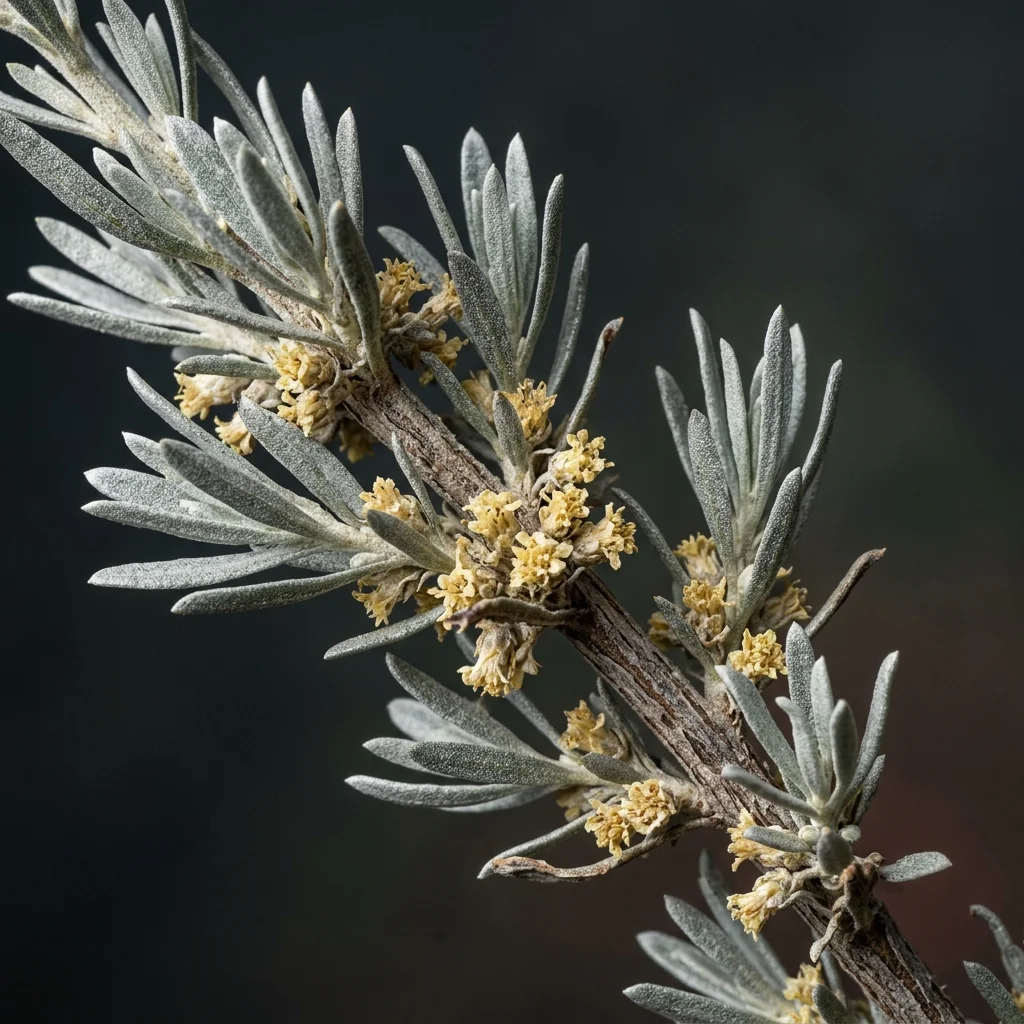
Identify Saltbush (Atriplex canescens) immediately by its distinctive leaf arrangements, wood structures, and flowers. Recognizing its definitive visual traits is key to distinguishing it from other similar species.
-
✔
Distinctive Features: Narrow, dusty silvery-gray leaves densely covered in glistening, salt-excreting bladder scales, bearing winged, dry four-angled seed bracts in late summer.
-
✔
Typical Coloration: Dusty silvery-gray foliage, light woody gray stems, and pale yellow dry flower clusters.
-
✔
Potential Confusions: Commonly confused with Sagebrush (Artemisia tridentata) due to the similar silver-gray color, but Saltbush is easily distinguished by its completely spineless, narrow linear leaves that lack the three-lobed 'teeth' of Sagebrush.
Complete Care & Cultivation Guide
Follow our detailed scientific care guide to keep your Saltbush thriving and gorgeous all year round.
Frequently Asked Questions
Why is it called Saltbush?
Because it actively absorbs sodium from salty soil and pumps it out through microscopic glands on its leaves, depositing a visible, salty white powder on its foliage.
Is Saltbush safe for cats and dogs?
Yes! Atriplex canescens is completely non-toxic to dogs, cats, and humans. It is an exceptionally safe, hardy choice for pet-friendly desert xeriscape gardens.
How deep do the roots of Saltbush grow?
It produces a massive taproot that can extend up to 20 feet deep into the desert sand, allowing it to tap into deep groundwater tables during extreme summer droughts.
Can I grow Saltbush in wet clay soil?
No, wet or waterlogged soil is fatal to Saltbush. It requires exceptionally well-drained, sandy, gravelly, or saline soils that dry out completely.