Salt Cedar Care & Identification Guide
Salt Cedar (Tamarix ramosissima), commonly known as Tamarisk, is a highly aggressive, deeply rooted deciduous shrub native to arid grasslands and river banks of eastern Europe and Asia. Highly celebrate for its extremely delicate, scale-like tiny leaves and dense, feathery plumes of rose-pink flowers, it is one of the most hardiest plants in saline soils. Botanically, it utilizes specialized salt glands on its scale leaves to absorb salty groundwater, concentrating and actively excreting the sodium onto its stems. This creates a salty crust that drips onto the surrounding soil, rendering the area highly toxic and alkaline to competing native seedlings.




How to Identify Salt Cedar
Identify Salt Cedar (Tamarix ramosissima) immediately by its distinctive leaf arrangements, wood structures, and flowers. Recognizing its definitive visual traits is key to distinguishing it from other similar species.
-
✔
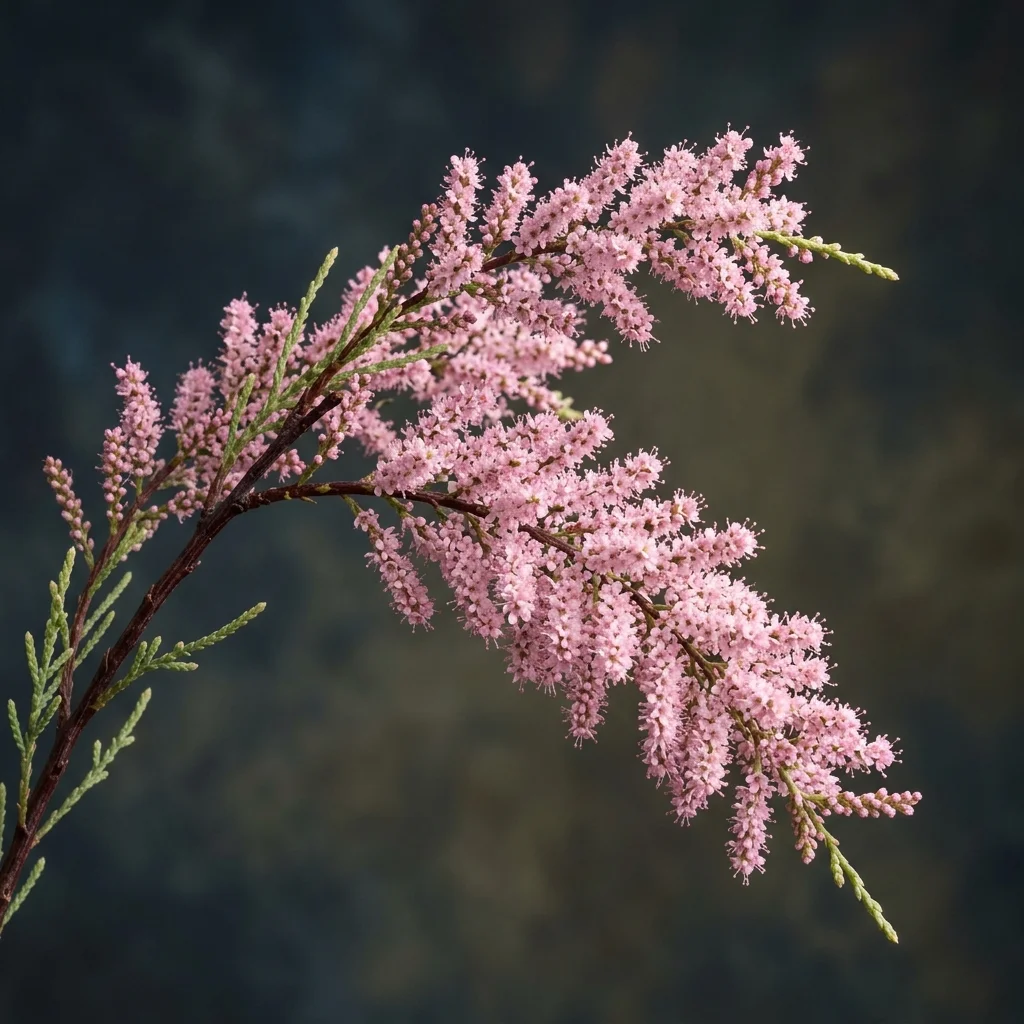
Distinctive Features: Feathery, arching branches covered in tiny, scale-like pale green leaves and dense plumes of soft rose-pink blossoms, on stems covered in salt crust.
-
✔
Typical Coloration: Soft rose-pink feathery blossoms, light green-gray scale leaves, and reddish twigs.
-
✔
Potential Confusions: Sometimes superficially confused with Juniper or Cedar due to the scale-like leaves, but easily distinguished by its soft rose-pink feathery flowers and deciduous winter habit.
Complete Care & Cultivation Guide
Follow our detailed scientific care guide to keep your Salt Cedar thriving and gorgeous all year round.
Frequently Asked Questions
Why is it called Salt Cedar?
Because its scale-like leaves resemble cedar foliage, and it actively secretes salt onto its branches, creating a visible, salty white crust on the plant.
Is Salt Cedar toxic to household pets?
No. Tamarix ramosissima is completely non-toxic to dogs, cats, and horses. It is a highly safe, hardy choice for pet-friendly desert xeriscape gardens.
How does Salt Cedar affect other plants nearby?
It absorbs salty groundwater and secretes the salt onto the soil surface, forming a salty crust that increases soil salinity, preventing native seeds from growing nearby.
How deep do the roots of Salt Cedar grow?
It produces a massive taproot that can extend up to 30 feet deep into the sandy wash soils, allowing it to tap into deep groundwater tables during extreme summer droughts.