Sagebrush Care & Identification Guide
Sagebrush (Artemisia tridentata), specifically the Big Sagebrush, is the defining, landscape-dominant evergreen shrub of the vast arid intermountain West of North America. Renowned for its intense, clean, camphor-like sage aroma, this highly rugged shrub features silvery-gray leaves with three-lobed tips ('tridentata'). To survive the harsh, dry basin climates, Sagebrush utilizes a dual-root system: a massive, deep taproot extending up to 13 feet to draw deep groundwater, and a shallow lateral root system to quickly capture transient rainfall. It also releases methyl jasmonate signals to warn nearby plants of herbivore attacks.





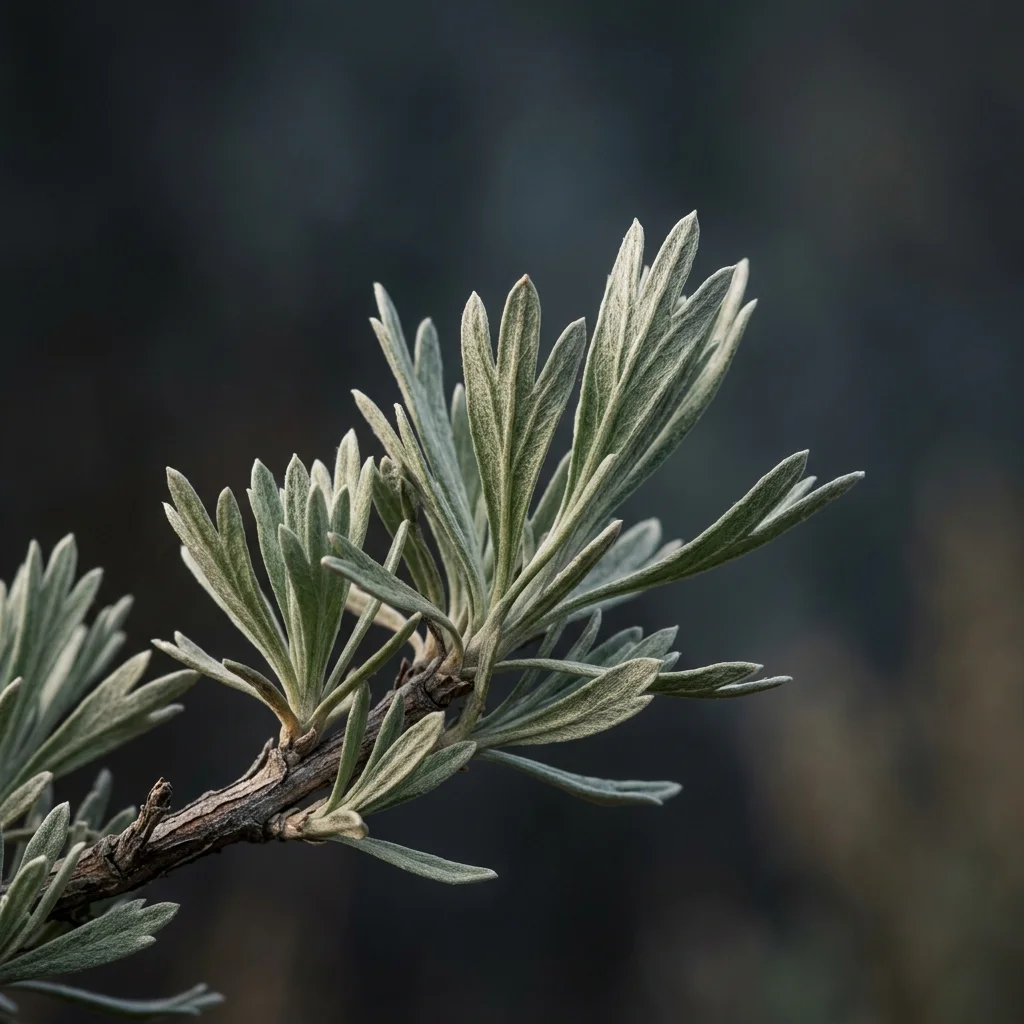
How to Identify Sagebrush
Identify Sagebrush (Artemisia tridentata) immediately by its distinctive leaf arrangements, wood structures, and flowers. Recognizing its definitive visual traits is key to distinguishing it from other similar species.
-
✔
Distinctive Features: Silvery-gray, wedge-shaped wedge leaves with three distinct lobes or teeth at the tip, growing on highly branched, woody gray-brown trunks, bearing small yellow flower heads in autumn.
-
✔
Typical Coloration: Silvery-gray to dusty light blue leaves, gnarled gray-brown wood trunks, and tiny pale-yellow autumn blossoms.
-
✔
Potential Confusions: Often confused with Culinary Sage (Salvia officinalis) due to the similar name and aroma, but Sagebrush is a woody shrub belonging to the Asteraceae family, with completely different three-lobed leaves, and is not edible.
Complete Care & Cultivation Guide
Follow our detailed scientific care guide to keep your Sagebrush thriving and gorgeous all year round.
Frequently Asked Questions
Can I use Sagebrush for cooking like common culinary sage?
No. Big Sagebrush (Artemisia tridentata) is completely different from culinary sage (Salvia officinalis). It contains high concentrations of toxic terpenes that make it extremely bitter and toxic if consumed in quantity.
Is Sagebrush toxic to cats and dogs?
Yes. The essential oils in Sagebrush contain high levels of thujone and other terpenes, which can cause vomiting, diarrhea, liver damage, and central nervous system depression if ingested by pets.
How does the dual root system of Sagebrush work?
It has a deep taproot (up to 13 feet long) to tap into deep groundwater tables during hot summer droughts, and a shallow, wide-spreading lateral root network to rapidly absorb surface water from light desert rains.
Does Sagebrush shed its leaves in winter?
It is evergreen. However, it exhibits a unique 'drought-deciduous' behavior where it sheds its larger spring leaves during hot summer droughts, keeping only smaller, tightly packed leaves to conserve water.