Rosemary Shrub Care & Identification Guide
The magnificent Rosemary Shrub (Salvia rosmarinus) is an outstanding, evergreen culinary and ornamental shrub, celebrated for its needle-like foliage and intensely aromatic essential oils. Hailing from scorching, sea-misty coastal cliffs of the Mediterranean basin, this tough wood perennial thrives in poor, rocky soils. Recently reclassified from Rosmarinus officinalis to the Salvia genus, it develops a highly robust, gnarled woody branch structure over time. To fuel its pale blue early spring blossoms and rich aromatic qualities, it requires absolute full sun and sharp drainage.





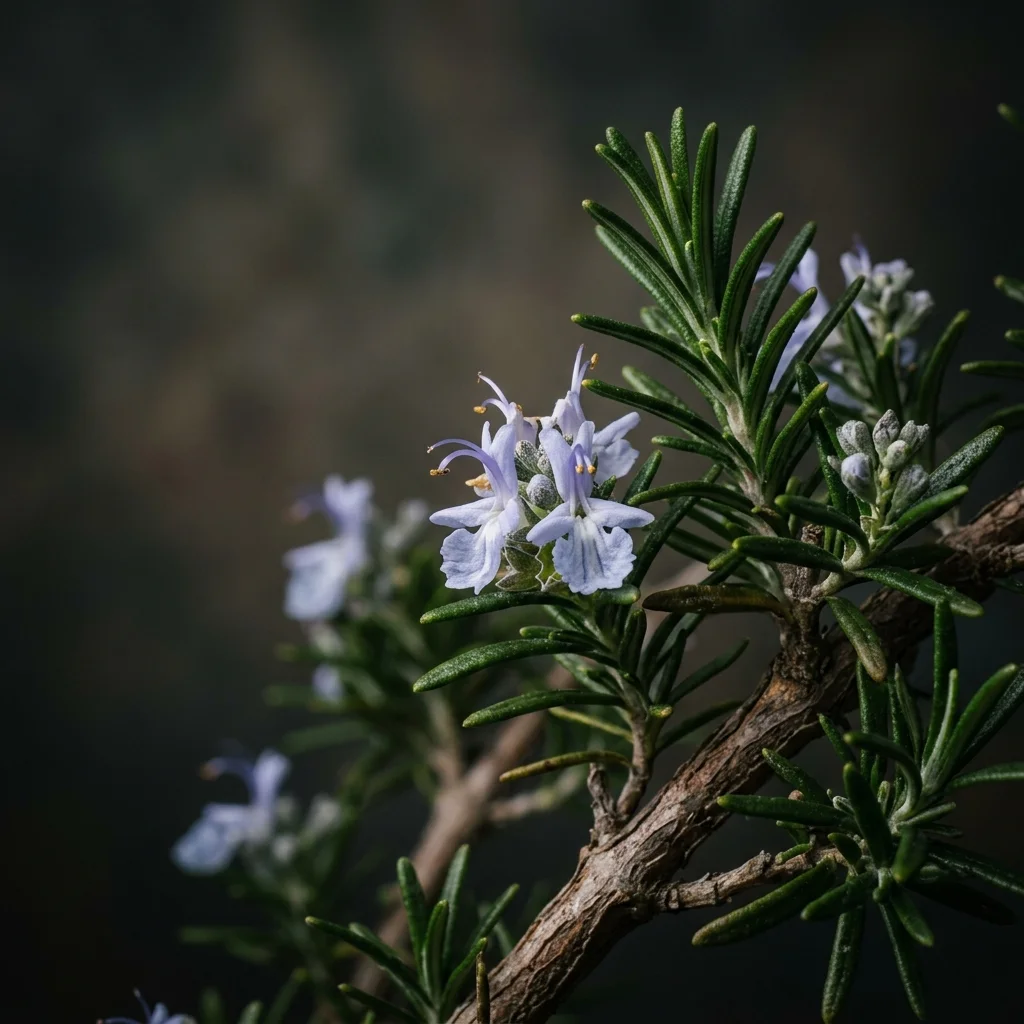
How to Identify Rosemary Shrub
Identify Rosemary Shrub (Salvia rosmarinus) immediately by its distinctive leaf arrangements, wood structures, and flowers. Recognizing its definitive visual traits is key to distinguishing it from other similar species.
-
✔
Distinctive Features: Dense clusters of needle-like leaves with rolled edges and white-fuzzy undersides, rising on gnarled, woody arching stems.
-
✔
Typical Coloration: Soft shades of pale blue, lavender, or white blossoms, with waxy, dark olive-green needle-like leaves.
-
✔
Potential Confusions: Sometimes confused with Lavender due to similar growth, but distinguished by its narrow, pine-like waxy needles and intensely resinous, pine-like herbal aroma.
Complete Care & Cultivation Guide
Follow our detailed scientific care guide to keep your Rosemary Shrub thriving and gorgeous all year round.
Frequently Asked Questions
Why is my Rosemary Shrub turning brown and dropping needles?
This is a classic sign of 'wet feet' (root rot) caused by overwatering or poorly draining clay soil. Reduce watering immediately, allow the soil to dry out completely, and ensure the pot has drainage holes.
Is Rosemary toxic to domestic pets?
No, Salvia rosmarinus is completely non-toxic and pet-safe for cats, dogs, and horses, making it an exceptionally beautiful, fragrant, and worry-free garden choice.
Can I grow Rosemary indoors?
Yes! Rosemary can be grown indoors, but it requires a very bright south-facing window with at least 6 hours of direct sun and a highly porous, fast-draining potting mix.
How hard can I prune my Rosemary Shrub?
You can prune the green stems back by up to half their length in early spring. However, never prune back into the bare, brown woody stems, as they lack dormant buds and will not regrow.