Phormium Care & Identification Guide
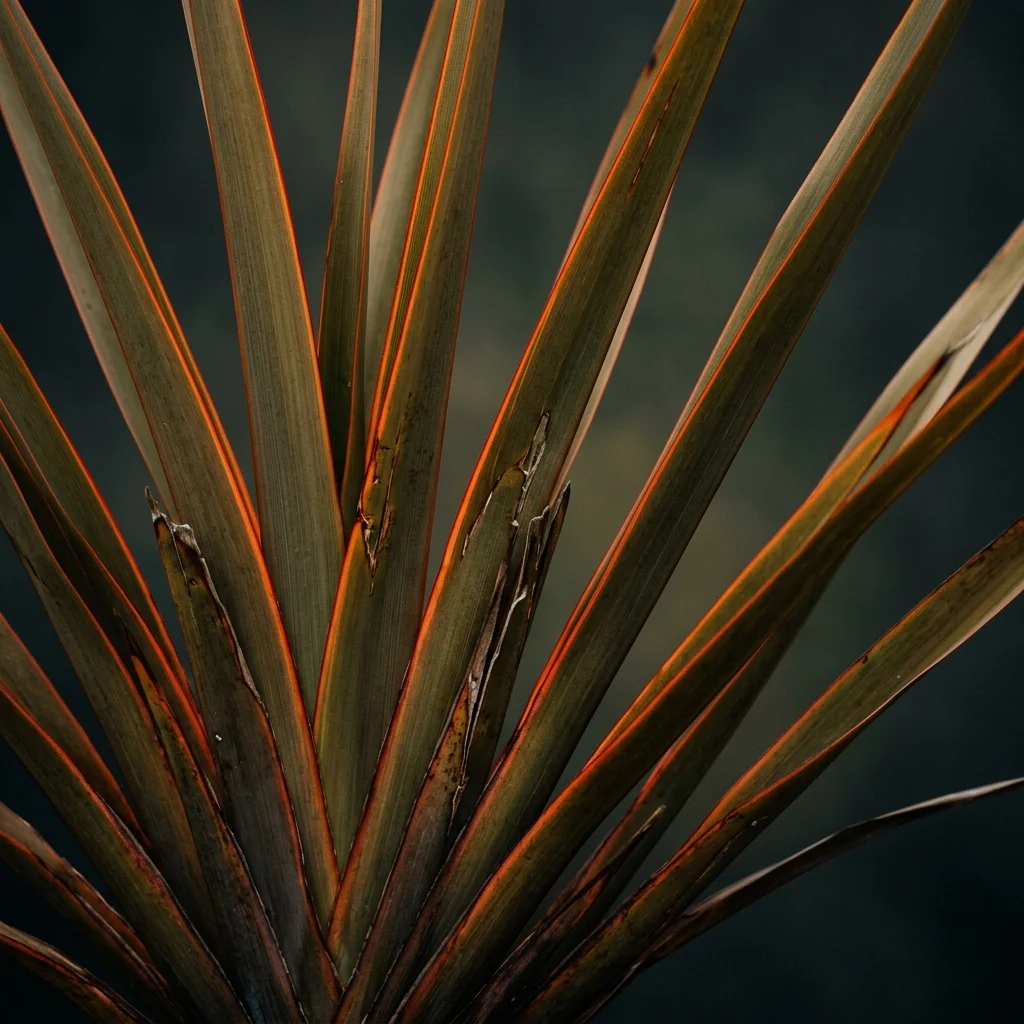
Phormium (Phormium tenax), commonly known as New Zealand Flax or Harakeke, is a highly dramatic, architectural evergreen perennial shrub native to the coastal wetlands and cliffs of New Zealand. Highly revered in Maori culture, its exceptionally strong, fibrous leaves have been harvested for centuries to weave traditional clothing, mats, and robust ropes. Botanically, it features stiff, sword-like linear leaves arranged in a tight, dramatic fan. The foliage displays a striking combination of deep bronze-green coloration and brilliant orange-red margins. It is highly valued in modern architecture and coastal landscaping for its bold structural lines and salt-wind resistance.





How to Identify Phormium
Identify Phormium (Phormium tenax) immediately by its distinctive leaf arrangements, wood structures, and flowers. Recognizing its definitive visual traits is key to distinguishing it from other similar species.
-
✔
Distinctive Features: Stiff, sword-like linear leaves arranged in a rigid fan, boasting a dramatic bronze-olive hue with striking, luminous orange-red edges.
-
✔
Typical Coloration: Bronze-green to copper-brown foliage, accented with bright neon orange-red leaf margins, and tall blackish flower spikes.
-
✔
Potential Confusions: Sometimes confused with Yucca or Agave due to the sword-shaped leaves, but Phormium is easily distinguished by its completely spineless, smooth-edged leaves and lack of a central trunk.
Complete Care & Cultivation Guide
Follow our detailed scientific care guide to keep your Phormium thriving and gorgeous all year round.
Frequently Asked Questions
Why are the sword-like leaves of my Phormium splitting at the tips?
Slight splitting at the tips of the leaves is a natural occurrence caused by strong winds or dry conditions. It does not harm the plant and is a normal structural feature of mature leaves.
Is Phormium safe for household pets?
Yes! Phormium tenax is completely non-toxic to dogs, cats, and horses. It is a highly safe, architectural addition to pet-friendly gardens.
Can I grow Phormium in heavy clay soil?
Yes! Phormium is exceptionally tough and grows well in clay soil. Just ensure the area does not collect standing water, which can rot the crown.
How large does Phormium grow?
Depending on the variety, Phormium tenax can grow 4 to 8 feet tall and wide, forming a large, dramatic structural clump over time.