Natal Plum Care & Identification Guide
Natal Plum (Carissa macrocarpa), native to the coastal sand dunes of South Africa, is an exceptionally robust evergreen tropical shrub highly valued for its striking visual contrast and formidable defense. Celebrated as the ultimate security screen for warm subtropical gardens, it features glossy, leathery dark-green leaves armed at almost every node with massive, deeply rigid, Y-shaped (two-forked) sharp green thorns. In summer, it produces fragrant, star-like white flowers that release a sweet gardenia-like scent, followed by round, crimson-red plums. TOXICITY WARNING: While the fully ripe red fruit is delicious and edible, all other parts of the Natal Plum (leaves, stems, roots, and unripe fruit) contain toxic cardiac glycosides and a milky sap that is highly toxic to dogs, cats, and humans.





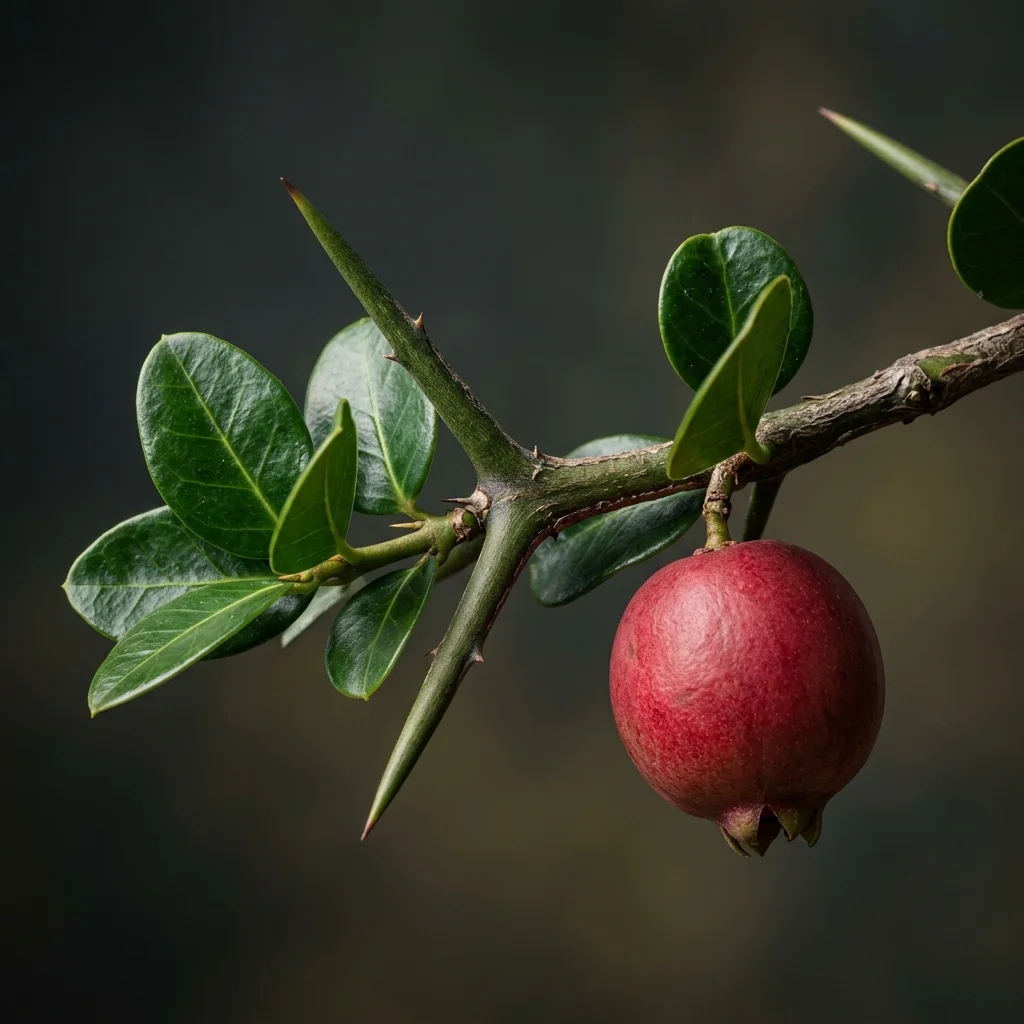
How to Identify Natal Plum
Identify Natal Plum (Carissa macrocarpa) immediately by its distinctive leaf arrangements, wood structures, and flowers. Recognizing its definitive visual traits is key to distinguishing it from other similar species.
-
✔
Distinctive Features: Glossy, thick leathery dark-green leaves armed at the nodes with highly prominent, Y-shaped (two-forked) sharp green thorns, bearing star-like white flowers and round crimson-red plums.
-
✔
Typical Coloration: Crimson-red plums, star-like white flowers, glossy emerald-green leaves, and grayish thorny twigs.
-
✔
Potential Confusions: Unlikely to be confused with other plants due to its highly distinct Y-shaped thorns and glossy leaves. However, young plants can superficially resemble other Carissa species.
Complete Care & Cultivation Guide
Follow our detailed scientific care guide to keep your Natal Plum thriving and gorgeous all year round.
Frequently Asked Questions
Are the plums of Natal Plum edible?
Yes! The fully ripe crimson-red plums are delicious, sweet-tart, and edible, often harvested to make traditional coastal jams, jellies, and desserts. However, unripe fruits are toxic.
Is the Natal Plum toxic to cats and dogs?
Yes! All parts except the fully ripe red fruit are highly toxic. The leaves, stems, roots, and unripe fruit contain cardiac glycosides that cause vomiting, drooling, cardiac depression, and death.
What is the purpose of the Y-shaped thorns?
The massive, two-forked green thorns are highly rigid and evolved as a physical defense mechanism to protect the plant from browsing herbivorous animals.
Does Natal Plum tolerate coastal sea spray?
Yes! Natal Plum is exceptionally salt-tolerant and wind-resistant, making it a highly popular and beautiful choice for dry, exposed coastal dune landscaping.