Mock Orange Care & Identification Guide
The magnificent Mock Orange (Philadelphus coronarius) is an outstanding deciduous ornamental shrub, widely celebrated for its delicate, paper-white blossoms that release an incredibly sweet, citrus-like fragrance reminiscent of orange blossoms. Hailing from southern Europe, this highly resilient wood perennial is a traditional garden favorite, prized for its vigorous, arching growth. To fuel its magnificent late-spring bloom display and sweet perfume, it requires full sun, fertile well-drained loam, and precise pruning immediately after the flowers fade.





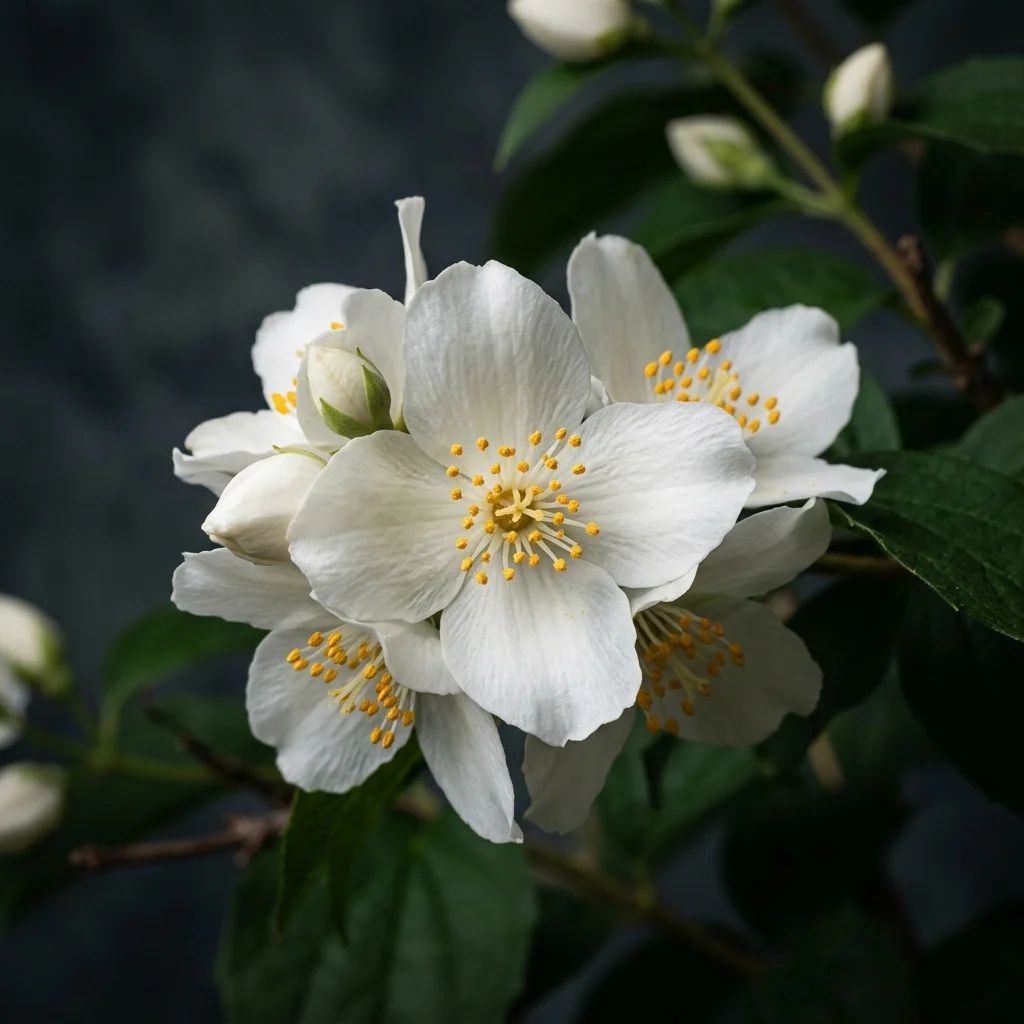
How to Identify Mock Orange
Identify Mock Orange (Philadelphus coronarius) immediately by its distinctive leaf arrangements, wood structures, and flowers. Recognizing its definitive visual traits is key to distinguishing it from other similar species.
-
✔
Distinctive Features: Delicate, cup-shaped four-petaled paper-white blossoms, featuring a highly prominent central crown of golden-yellow stamens.
-
✔
Typical Coloration: Pure paper-white petals with bright yellow anthers, and ovate, slightly coarse medium-green leaves.
-
✔
Potential Confusions: Sometimes confused with Deutzia, but distinguished by its intensely sweet citrus fragrance and larger cup-shaped flowers with distinct golden stamen centers.
Complete Care & Cultivation Guide
Follow our detailed scientific care guide to keep your Mock Orange thriving and gorgeous all year round.
Frequently Asked Questions
Why is my Mock Orange not fragrant?
Ensure you have the species Philadelphus coronarius, which is intensely fragrant. Some double-flowered cultivars have been bred for visual show at the expense of scent. Also, warm, sunny days stimulate the release of fragrance.
Is Mock Orange toxic to domestic pets?
No, Philadelphus coronarius is completely non-toxic and pet-safe, offering a beautiful, highly fragrant, and worry-free choice for pet-friendly gardens.
When should I prune my Mock Orange?
Always prune immediately after the late-spring flowers fade in early summer. Mock Orange sets its buds on 'old wood' in mid-summer. Pruning late in autumn or winter will cut off all next spring's flower buds.
Why are my Mock Orange leaves turning yellow and dropping?
Yellowing leaves are usually a sign of excessive watering or poorly draining soil (wet feet). Reduce watering, allow the top soil to dry, and ensure the pot has free-draining holes.