Lilac Care & Identification Guide
The magnificent Lilac (Syringa vulgaris) is an outstanding deciduous ornamental shrub, widely celebrated for its highly fragrant, dense panicles of lilac-purple blossoms that herald the arrival of late spring. Hailing from rocky hillsides of Southeastern Europe, this tough wood perennial thrives in limestone-rich, sweet soils and demands direct sunlight to produce its signature heavy flower show. Under stable conditions, its highly fragrant blooms can fill entire gardens with a sweet perfume, making it a beloved focal point for borders and patio backgrounds.





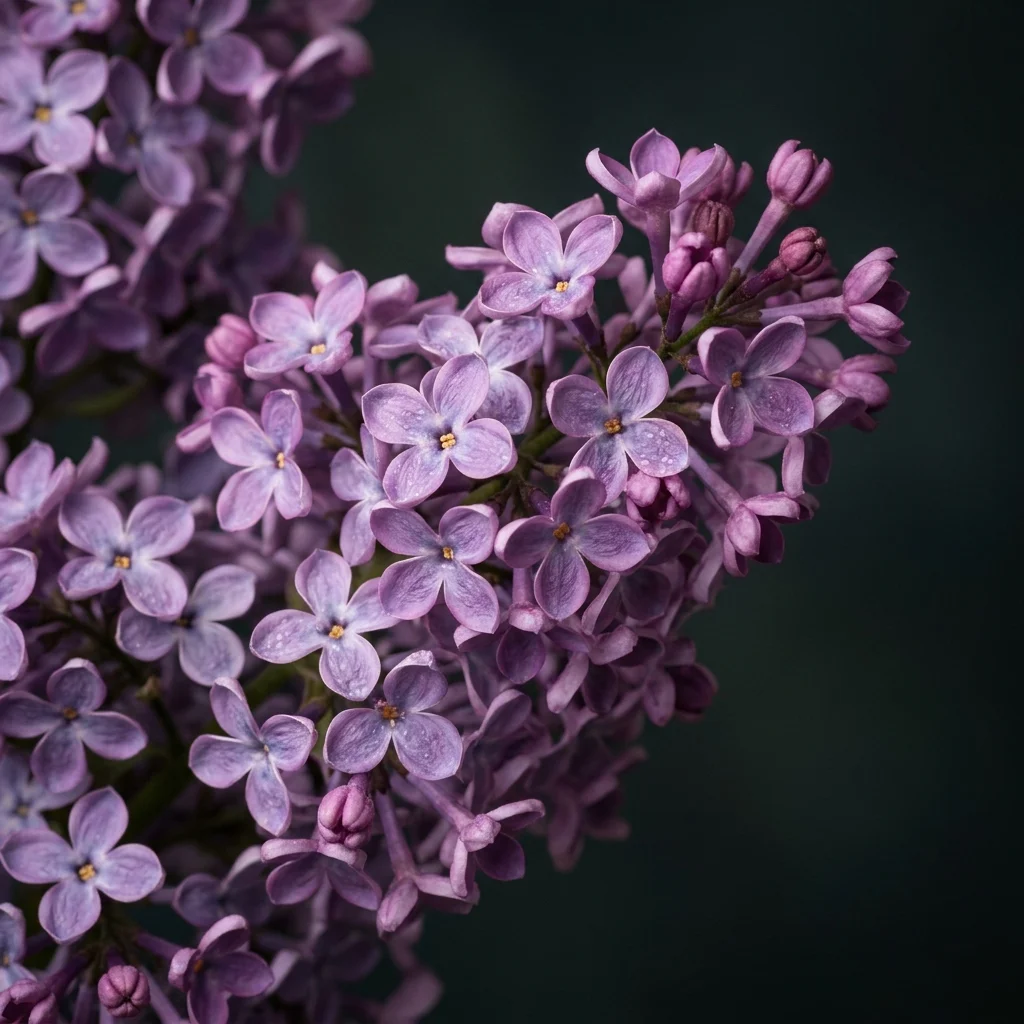
How to Identify Lilac
Identify Lilac (Syringa vulgaris) immediately by its distinctive leaf arrangements, wood structures, and flowers. Recognizing its definitive visual traits is key to distinguishing it from other similar species.
-
✔
Distinctive Features: Dense, pyramid-shaped panicles packed with thousands of tiny, highly fragrant four-lobed tubular florets.
-
✔
Typical Coloration: Soft lavender-purple, lilac, deep magenta, or pure cream-white, with smooth heart-shaped green leaves.
-
✔
Potential Confusions: Sometimes confused with Buddleja (Butterfly Bush), but distinguished by its late-spring blooming habit, smooth heart-shaped leaves, and rigid woody branching structure.
Complete Care & Cultivation Guide
Follow our detailed scientific care guide to keep your Lilac thriving and gorgeous all year round.
Frequently Asked Questions
Why is my Lilac not blooming?
The primary reasons are insufficient direct sunlight, pruning too late in summer (which cuts off next year's flower buds), or excessive nitrogen fertilizer that stimulates leaf growth at the expense of blooms.
Is Lilac toxic to cats and dogs?
No! Syringa vulgaris is completely non-toxic and pet-safe, offering a beautiful, highly fragrant, and worry-free choice for household gardens.
What is the white powder on my Lilac leaves?
This is Powdery Mildew, a very common fungal infection in late summer. While it doesn't kill the shrub, keep the foliage dry, water the roots directly, and ensure excellent air spacing to prevent it.
How do I control the suckers growing at the base of my Lilac?
Simply cut them off at or below the soil line with sharp loppers. Alternatively, dig them up with roots attached and replant them to propagate new Lilac shrubs.