Spreading Juniper Care & Identification Guide
The magnificent Spreading Juniper (Juniperus horizontalis), commonly known as the Creeping Juniper, is an outstanding, evergreen prostrate conifer, widely celebrated for its dense, blue-green foliage spray and absolute resilience to harsh, dry conditions. Native to rocky dry slopes and sandy shorelines of North America, this tough woody perennial features low-hugging horizontal arching stems. **WARNING: All parts of Juniperus horizontalis contain volatile oils (such as Sabinene)**, which cause severe vomiting and kidney irritation in pets.





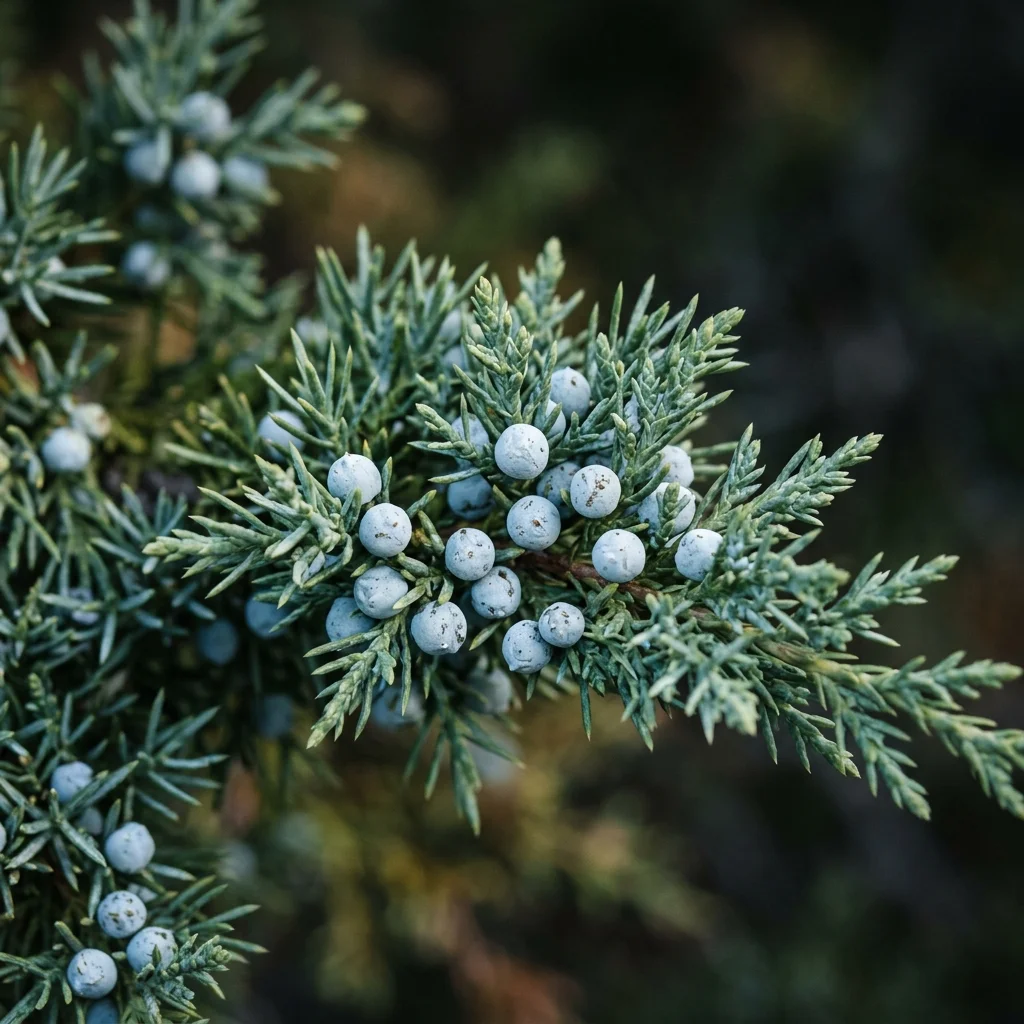
How to Identify Spreading Juniper
Identify Spreading Juniper (Juniperus horizontalis) immediately by its distinctive leaf arrangements, wood structures, and flowers. Recognizing its definitive visual traits is key to distinguishing it from other similar species.
-
✔
Distinctive Features: Low-hugging, creeping horizontal arching branches packed with tiny needle-like and scale-like blue-green leaves, forming a dense ground-hugging spray.
-
✔
Typical Coloration: Rich blue-green to grayish-blue leaves turning purplish in winter, with tiny, pale blue waxy berries.
-
✔
Potential Confusions: Sometimes confused with Microbiota decussata (Russian Arborvitae), but distinguished by its needle-like blue-green leaves and aromatic juniper scent when crushed.
Complete Care & Cultivation Guide
Follow our detailed scientific care guide to keep your Spreading Juniper thriving and gorgeous all year round.
Frequently Asked Questions
Why is my Spreading Juniper turning brown inside?
This is a classic sign of 'wet feet' (root rot) caused by overwatering or heavy compacted clay soil. Creeping junipers possess fleshy roots that rot rapidly in soggy conditions. Cut back watering.
Is Juniper toxic to cats and dogs?
Yes! All parts of Juniperus horizontalis contain toxic volatile oils (Sabinene). Ingestion by pets causes severe vomiting, diarrhea, abdominal pain, weakness, and kidney irritation.
What is the white powder coating my Juniper berries?
This is a natural, highly prized waxy layer called a glaucous bloom. It protects the berries from dehydration and high ultraviolet sun rays; do not wash it off.
How hard can I prune my Creeping Juniper?
Prune lightly in early spring. However, never prune back into the bare, brown woody stems, as they lack dormant buds and will not regrow.