Juneberry Care & Identification Guide
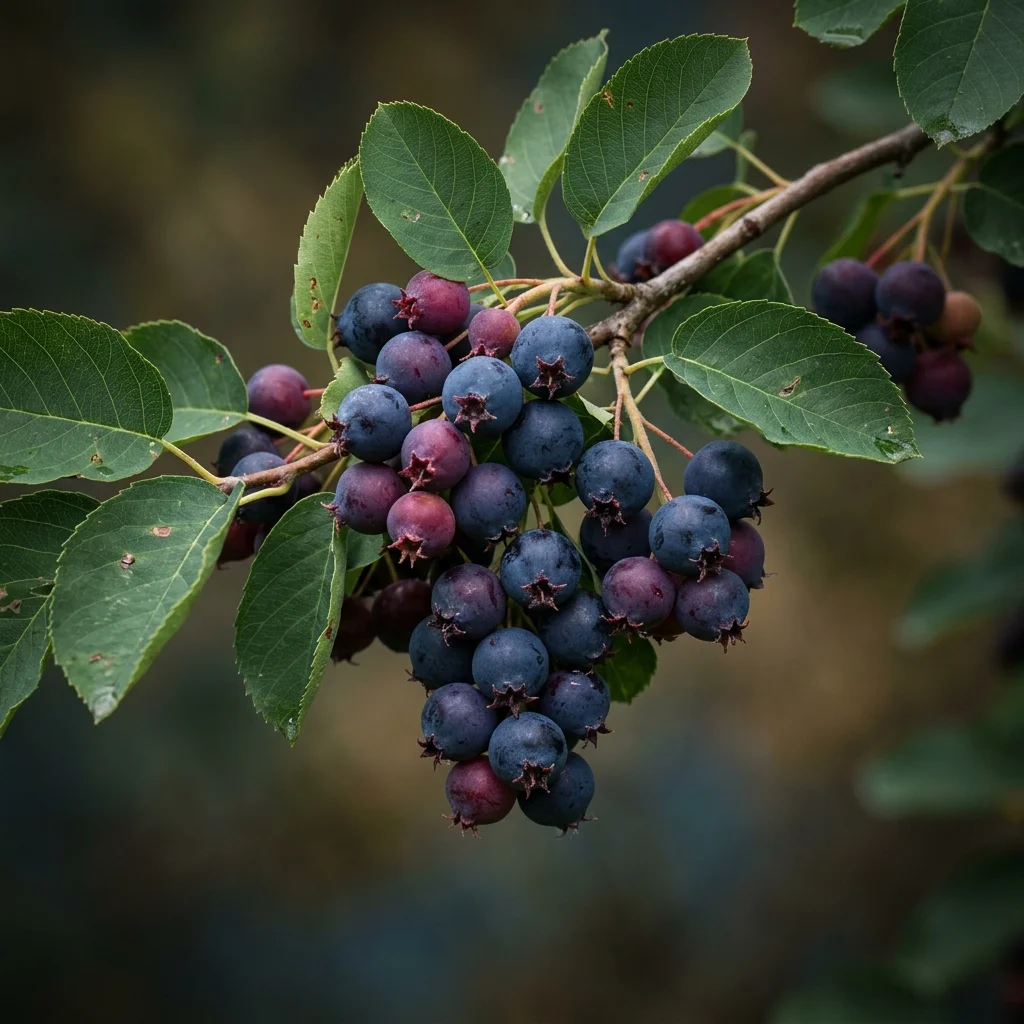
Juneberry (Amelanchier alnifolia), commonly known as Saskatoon Serviceberry or Alder-Leaf Shadbush, is a highly spectacular, fruit-bearing deciduous shrub native to cold-temperate forests, dry sand dunes, and river banks of North America. Renowned for its extreme cold hardiness and wind resistance, it features showy clusters of snowy-white flowers in spring, followed in summer by abundance of sweet, dark-blue to reddish-purple berries resembling blueberries. Historically, these nutrient-dense berries were a vital winter food source for Native Americans and early explorers, who dried them to make traditional 'pemmican' (dried meat and fat cakes).





How to Identify Juneberry
Identify Juneberry (Amelanchier alnifolia) immediately by its distinctive leaf arrangements, wood structures, and flowers. Recognizing its definitive visual traits is key to distinguishing it from other similar species.
-
✔
Distinctive Features: Dense snowy-white five-petaled spring flowers, followed by clusters of round, sweet dark-blue berries in summer, growing over coarse oval, slightly serrated green leaves.
-
✔
Typical Coloration: Dark-blue to reddish-purple berries with tiny crown-like calyces, snowy-white spring blossoms, and grayish bark.
-
✔
Potential Confusions: Sometimes superficially confused with Blueberries (Vaccinium) due to the similar fruit, but easily distinguished by its taller, multi-stemmed upright shrub growth habit and serrated, oval leaves.
Complete Care & Cultivation Guide
Follow our detailed scientific care guide to keep your Juneberry thriving and gorgeous all year round.
Frequently Asked Questions
Are the berries of Juneberry edible?
Yes! The sweet, dark-blue berries are edible and highly nutritious. They are widely harvested in autumn to make famous Saskatoon berry pies, jams, and jellies.
Is Juneberry safe for dogs and cats?
Yes! Amelanchier alnifolia is completely non-toxic to dogs, cats, and humans. The berries are safe and healthy to eat.
How does Juneberry handle strong winds?
It has strong, flexible woody branches that bend without breaking under strong winter winds, making it an excellent Choice for windbreaks in cold northern climates.
Why is my Juneberry not producing fruit?
Ensure the plant is in full sun or light shade and not over-fertilized with nitrogen. Late spring frosts can also occasionally kill the blossoms, reducing fruit yield.