Huckleberry Care & Identification Guide
Huckleberry (Gaylussacia baccata), specifically the Black Huckleberry, is a rugged, highly resilient deciduous forest shrub native to rocky slopes, dry woodlands, and acidic peatlands of eastern North America. While its leaves and dark berries closely resemble those of the Highbush Blueberry, the Huckleberry belongs to the distinct Gaylussacia genus. Botanically, it is characterized by the presence of tiny, glistening golden resin glands on the undersides of its leaves, and its dark purplish-black fruit contains exactly 10 hard, seed-like nutlets, giving it a unique sand-crunchy texture. In wild ecosystems, it is an exceptionally valuable autumn energy food source for black bears and native birds.





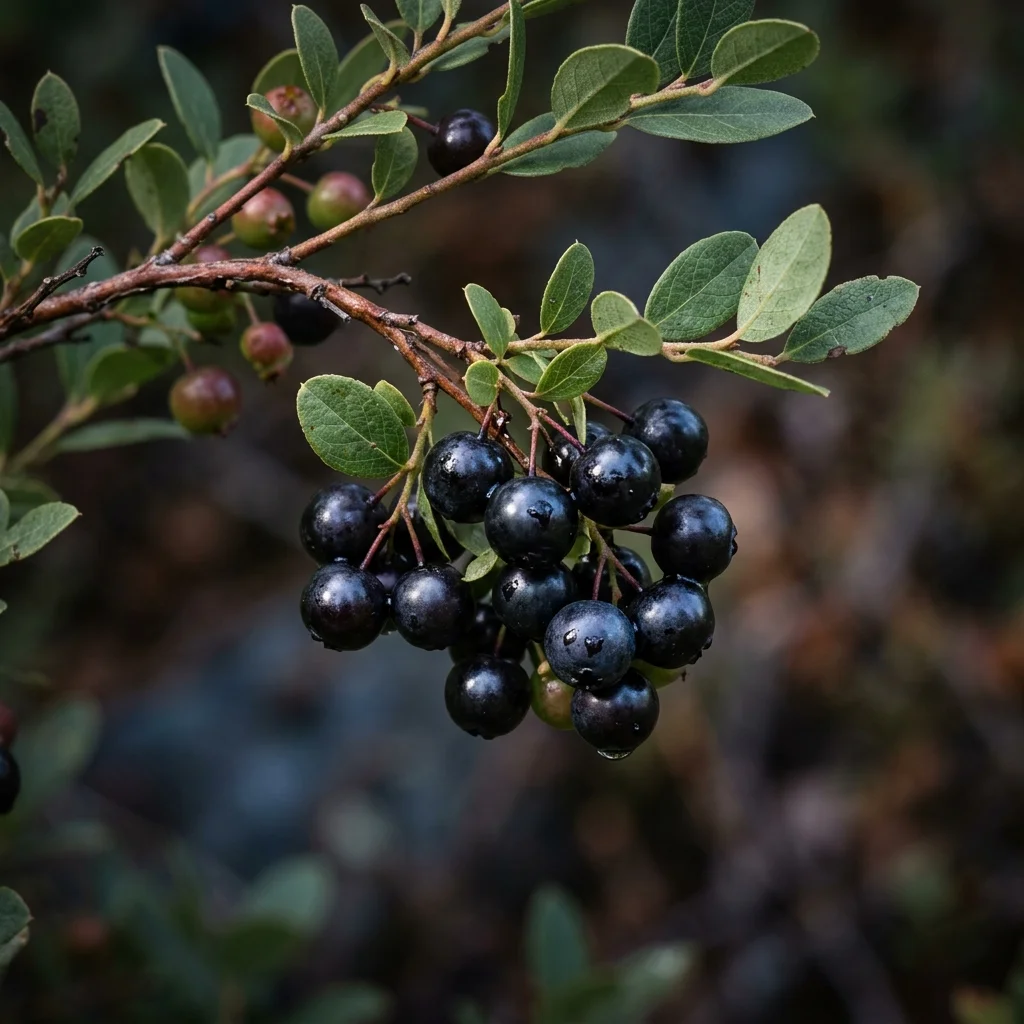
How to Identify Huckleberry
Identify Huckleberry (Gaylussacia baccata) immediately by its distinctive leaf arrangements, wood structures, and flowers. Recognizing its definitive visual traits is key to distinguishing it from other similar species.
-
✔
Distinctive Features: Drooping clusters of small, tubular pinkish-red flowers in spring, followed by glossy, dark purplish-black berries in summer, with leaves bearing golden resin glands on their undersides.
-
✔
Typical Coloration: Shiny dark purplish-black berries, small oval dull-green leaves that turn glowing red-orange in autumn, and woody gray-brown branches.
-
✔
Potential Confusions: Commonly confused with Blueberries (Vaccinium) due to the similar fruit, but easily distinguished by the 10 hard nutlets inside the berries (blueberries have tiny soft seeds) and the golden resin glands on leaf undersides.
Complete Care & Cultivation Guide
Follow our detailed scientific care guide to keep your Huckleberry thriving and gorgeous all year round.
Frequently Asked Questions
How can I tell a Huckleberry apart from a Blueberry?
Cut a berry open: a Huckleberry contains exactly 10 hard, seed-like nutlets, whereas a Blueberry has dozens of tiny, soft seeds. Additionally, Huckleberry leaves have golden resin glands on their undersides.
Is Huckleberry safe for dogs and cats?
Yes! Gaylussacia baccata leaves and berries are completely non-toxic to dogs, cats, and humans. The berries are safe and healthy to eat.
Why is it called Huckleberry?
The name is believed to be a corruption of the English name 'hurtberry' or 'whortleberry,' which was brought to North America by early English settlers who saw the similar native shrubs.
How large does Black Huckleberry grow?
It is a slow-growing, low-growing shrub that typically reaches 1 to 3 feet tall, forming a beautiful, dense naturalized colony over time.