Dwarf Conifer Care & Identification Guide
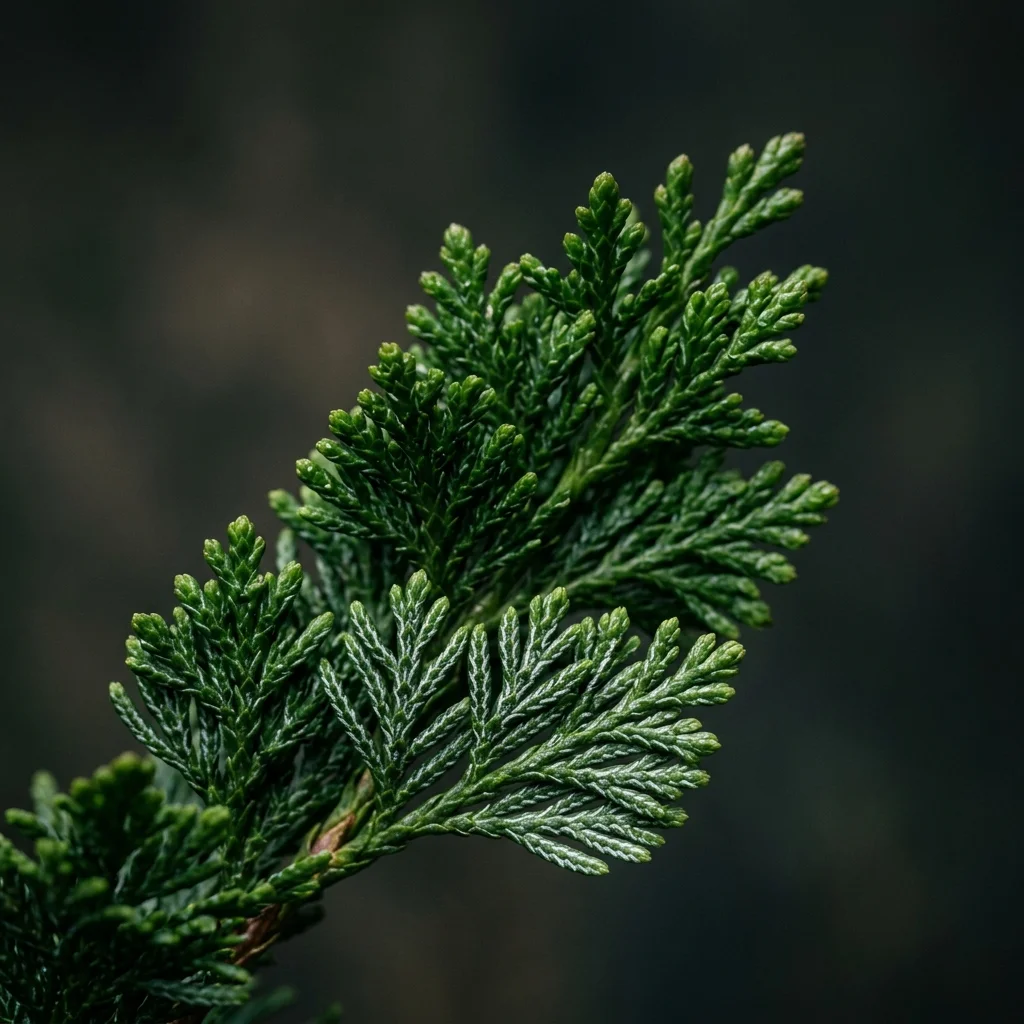
The Dwarf Conifer (Chamaecyparis obtusa), specifically the 'Nana Gracilis' cultivar of Hinoki Cypress, is an exceptionally elegant, slow-growing dwarf evergreen conifer native to Japan. Globally prized for its gnarled, cloud-like growth habit and rich green, fan-shaped foliage layers, it is a favorite for Japanese zen gardens and miniature landscapes. Botanically, it features delicate scale-like leaves arranged in dense, cup-like layering that grow in spiral fan patterns. A key botanical identification feature is the presence of highly distinct, silvery-white Y-shaped stomatal lines on the undersides of the scale leaves. Growing only 2-3 cm per year, it is a highly structural, maintenance-free ornamental masterpiece.





How to Identify Dwarf Conifer
Identify Dwarf Conifer (Chamaecyparis obtusa) immediately by its distinctive leaf arrangements, wood structures, and flowers. Recognizing its definitive visual traits is key to distinguishing it from other similar species.
-
✔
Distinctive Features: Gnarled, cloud-like branches layered with dense, cup-shaped fan foliage of deep green scale leaves, bearing prominent silvery-white Y-shaped stomatal lines on their undersides.
-
✔
Typical Coloration: Deep emerald-green foliage, silvery-white stomatal bands on leaf backs, and reddish-brown bark.
-
✔
Potential Confusions: Sometimes superficially confused with Arborvitae (Thuja) due to the flat scale foliage, but Hinoki Cypress is easily distinguished by its cup-like curved fan layers, rounded cones, and the distinct silvery Y-marks on the leaf backs.
Complete Care & Cultivation Guide
Follow our detailed scientific care guide to keep your Dwarf Conifer thriving and gorgeous all year round.
Frequently Asked Questions
Why is it called the Hinoki Cypress?
The name 'Hinoki' means 'fire tree' in Japanese, referring to the traditional use of its bark and dry wood to start fires by friction in ancient times.
Is the Dwarf Conifer safe for pets?
Yes! Chamaecyparis obtusa is completely non-toxic to dogs, cats, and humans. It is an exceptionally safe, structural addition to pet-friendly gardens.
How slow does Hinoki Dwarf Cypress grow?
It is extremely slow-growing, typically increasing in height by only 1 to 3 inches (2.5 to 7.5 cm) per year, making it perfect for low-maintenance landscaping.
What are the white lines on the back of the leaves?
They are stomatal bands composed of microscopic pores that allow the plant to breathe. In Hinoki Cypress, these bands form a highly distinct 'Y' shape, a key identification mark.