Chusan Palm Shrub Care & Identification Guide
The Chusan Palm Shrub (Trachycarpus fortunei), commonly known as the Windmill Palm, is a highly rugged, spectacular evergreen palm shrub native to the cold-temperate mountain forests of China and Japan. Globally celebrated as the absolute most cold-hardy palm on Earth, it survives temperatures down to a bone-chilling -15°C (5°F) under heavy snow. Botanically, its gnarled trunk is densely covered in a thick, insulating layer of dark brown, hairy fibrous coarse textures formed from old leaf bases. This natural 'hair' jacket protects its vascular system from severe frost, allowing it to bring a tropical garden aesthetic to cold northern climates.





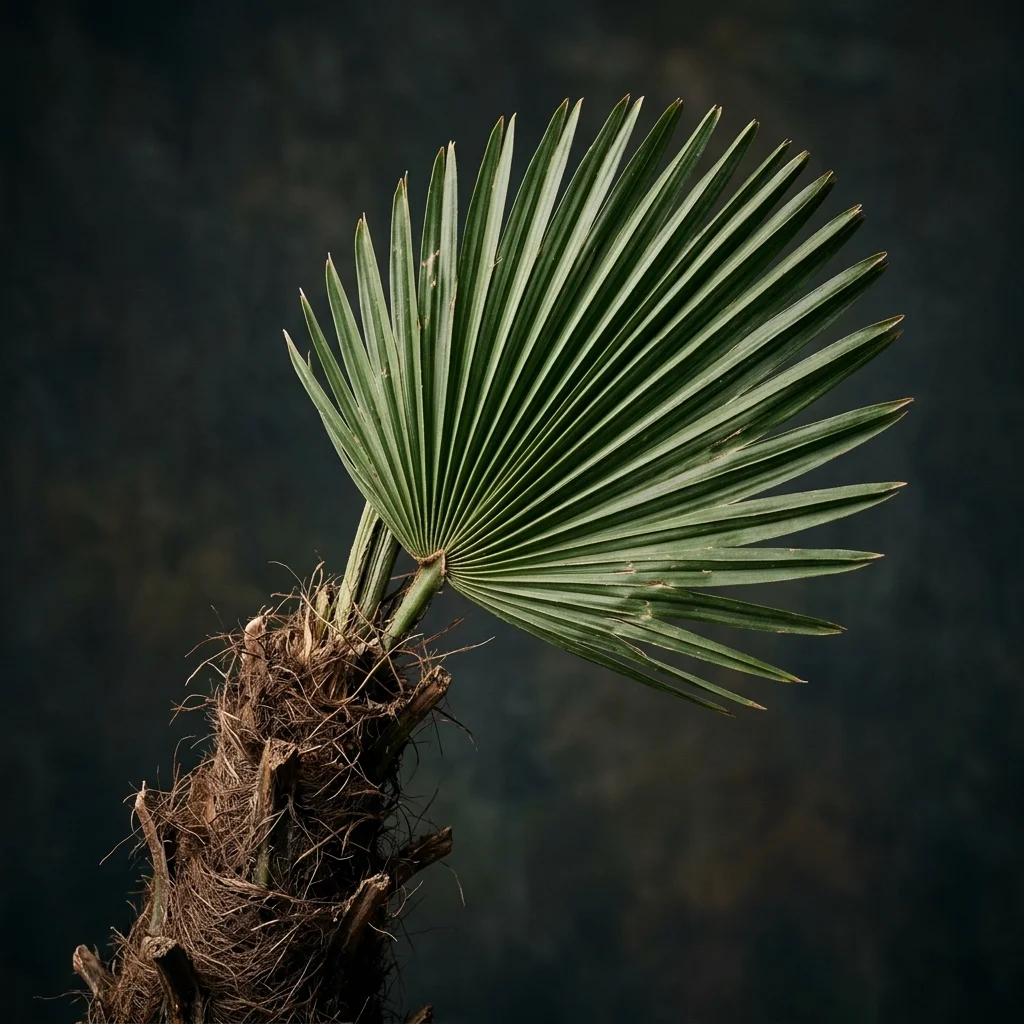
How to Identify Chusan Palm Shrub
Identify Chusan Palm Shrub (Trachycarpus fortunei) immediately by its distinctive leaf arrangements, wood structures, and flowers. Recognizing its definitive visual traits is key to distinguishing it from other similar species.
-
✔
Distinctive Features: Compact, fan-shaped pleated palm fronds divided into stiff, radiating linear segments, growing from a single trunk densely wrapped in hairy, dark brown coarse fibers.
-
✔
Typical Coloration: Deep apple-green to dark emerald leaves, with a rustic, dark chocolate-brown hairy fibrous trunk, and small yellow flower spikes.
-
✔
Potential Confusions: Can be confused with Chamaerops humilis (Mediterranean Dwarf Palm), but Chusan Palm Shrub grows a single trunk (rather than clumping) and is covered in much thicker, hairier brown fibers without sharp thorns on the petioles.
Complete Care & Cultivation Guide
Follow our detailed scientific care guide to keep your Chusan Palm Shrub thriving and gorgeous all year round.
Frequently Asked Questions
How cold-hardy is the Chusan Palm Shrub?
It is the most cold-hardy palm in the world, easily surviving down to -15°C (5°F) without damage. Mature specimens have even survived brief drops down to -20°C under snow.
Is the Chusan Palm Shrub safe for cats and dogs?
Yes! Trachycarpus fortunei is completely non-toxic to dogs, cats, horses, and humans. It is an exceptionally safe and dramatic plant for pet-friendly landscaping.
Can I grow Chusan Palm Shrub indoors?
Yes, but it requires a very bright room, cool temperatures in winter, and excellent ventilation. It is far more successful as an outdoor landscape or patio plant.
Why are the lower leaves of my windmill palm turning brown?
This is a natural aging process. As the palm grows new fronds from the center top bud, the oldest lower fronds slowly turn brown and die. Simply prune them off once they are fully dry.