Azalea Care & Identification Guide
The magnificent Azalea (Rhododendron subg. Pentanthera) is a highly spectacular deciduous flowering shrub, celebrated for its breath-taking spring displays of showy, trumpet-shaped blossoms. Originating from acidic mountain glades and thin understories, this popular garden classic has adapted to capture dappled canopy light and thrive in damp, organic soil structures. To sustain its brilliant spring blooms and rich green leaves, the Azalea requires highly acidic well-draining soil, consistent moist conditions, and protection from direct hot afternoon sun.





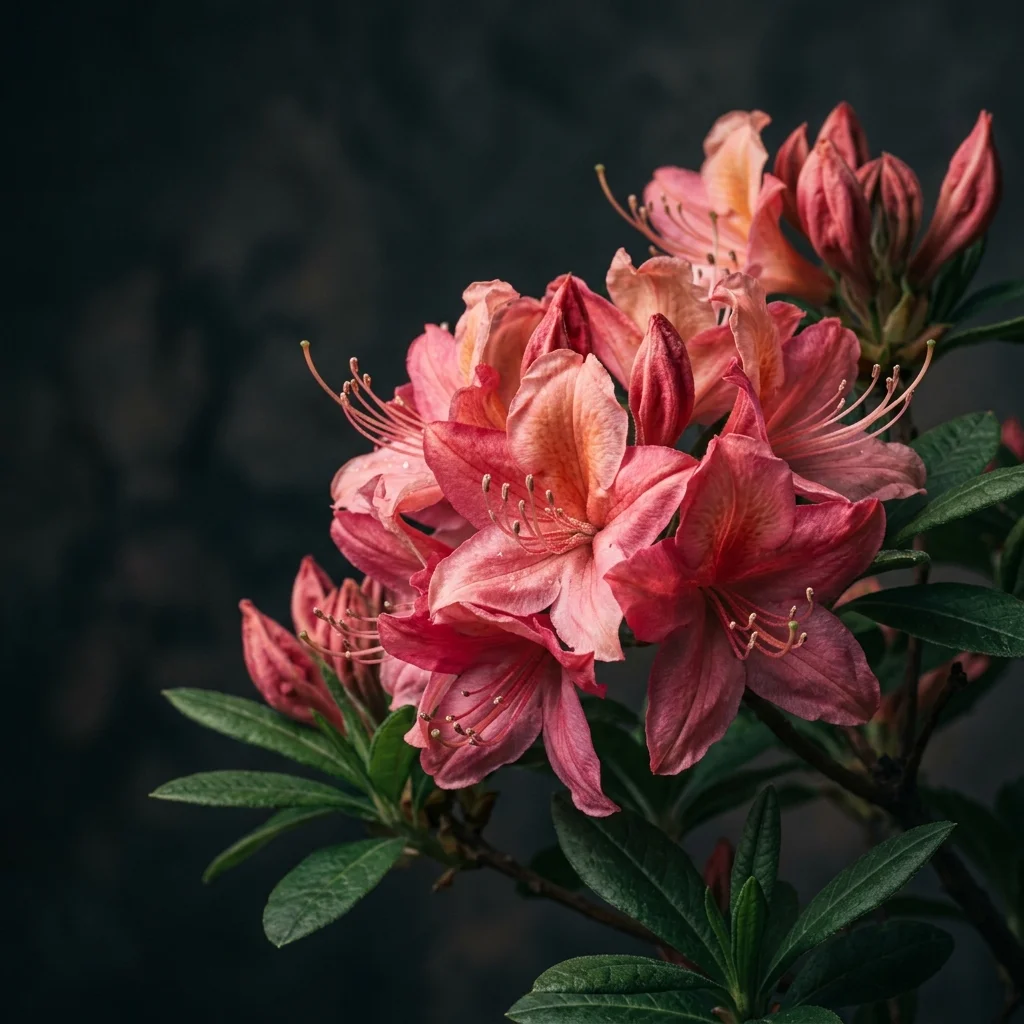
How to Identify Azalea
Identify Azalea (Rhododendron subg. Pentanthera) immediately by its distinctive leaf arrangements, wood structures, and flowers. Recognizing its definitive visual traits is key to distinguishing it from other similar species.
-
✔
Distinctive Features: Abundant clusters of funnel-shaped spring flowers, rising on slender stalks above narrow, fine-haired green leaves.
-
✔
Typical Coloration: Vibrant shades of hot pink, scarlet red, orange, golden yellow, or pure snow-white, with rich apple-green leaves.
-
✔
Potential Confusions: Often confused with Rhododendron, but distinguished by its deciduous spring nature, smaller thin leaves with fine hairs, and flowers possessing exactly 5 stamens.
Complete Care & Cultivation Guide
Follow our detailed scientific care guide to keep your Azalea thriving and gorgeous all year round.
Frequently Asked Questions
Why are my Azalea leaves turning yellow with bright green veins?
This is Iron Chlorosis, a symptom of iron deficiency caused by high soil pH (alkaline soil). Azaleas cannot absorb iron in alkaline soil. Apply chelated iron and acidify soil with sulfur.
Is the Azalea toxic to household pets?
Yes! All parts of Rhododendron subg. Pentanthera contain grayanotoxins. Ingestion of leaves, stems, or flowers can cause severe salivation, vomiting, low blood pressure, cardiac depression, and death in cats and dogs.
When is the best time to prune my Azalea shrub?
Prune immediately after the spring blooms fade in early summer. Azaleas set their flower buds for the next year in mid-to-late summer, so pruning too late will cut off next spring's flower buds.
Why is my Azalea dropping its leaves in summer?
Leaf drop in summer is typically caused by severe root dehydration due to their shallow root systems, or extreme heat stress. Apply a thick layer of pine bark mulch and keep the soil evenly moist.