Acalypha Care & Identification Guide
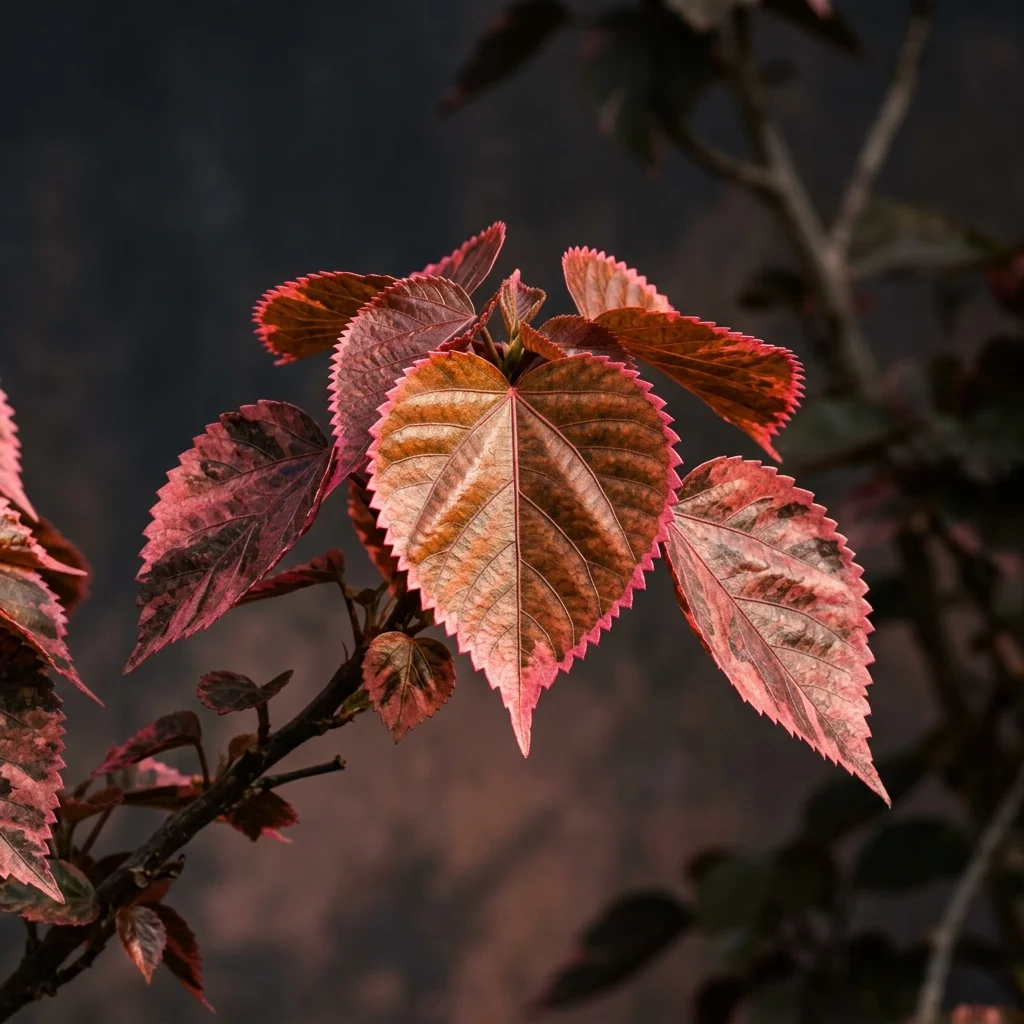
Acalypha (Acalypha wilkesiana), commonly known as Copperleaf or Jacob's Coat, is an exceptionally colorful, evergreen tropical shrub native to the sun-drenched islands of the South Pacific. Highly prized in tropical landscaping for its stunningly colorful foliage, it features large, heart-shaped coppery-red and bronze leaves decorated with finely serrated, bright rose-pink margins. Botanically, it is a highly heat-loving plant that synthesizes high concentrations of anthocyanin pigments to protect its cellular structures from intense tropical sun. TOXICITY WARNING: Acalypha contains toxic saponins and tannins in its milky sap, which causes gastrointestinal irritation, drooling, and vomiting if chewed or ingested by household pets.





How to Identify Acalypha
Identify Acalypha (Acalypha wilkesiana) immediately by its distinctive leaf arrangements, wood structures, and flowers. Recognizing its definitive visual traits is key to distinguishing it from other similar species.
-
✔
Distinctive Features: Heart-shaped, colorful bronze-red leaves with beautifully crinkled, finely serrated margins painted in bright neon rose-pink.
-
✔
Typical Coloration: Coppery-bronze and reddish-brown leaves, accented with vibrant rose-pink to white serrated margins, growing on sturdy green-brown stems.
-
✔
Potential Confusions: Sometimes confused with Coleus due to the vibrant serrated leaves, but Acalypha is a strictly woody evergreen shrub, whereas Coleus is a soft herbaceous plant with square stems.
Complete Care & Cultivation Guide
Follow our detailed scientific care guide to keep your Acalypha thriving and gorgeous all year round.
Frequently Asked Questions
Why are the leaves of my Acalypha (Copperleaf) turning green?
A loss of copper and pink colors is almost always caused by insufficient light. Acalypha requires full sun or very bright indirect light to produce the colorful pigments; move it to a brighter location.
Is Acalypha toxic to dogs and cats?
Yes. Acalypha wilkesiana leaves contain toxic saponins and tannins. Chewing the foliage can cause oral irritation, drooling, vomiting, and gastrointestinal inflammation in pets.
How fast does Acalypha grow?
It is an exceptionally fast-growing shrub in warm climates, easily growing 3 to 5 feet tall and wide within a few seasons if provided with ample sunlight, warmth, and regular watering.
Does Copperleaf produce flowers?
Yes, but they are very small and insignificant, forming narrow, drooping greenish-pink catkin-like spikes that are hidden behind the spectacular colorful foliage.