Volvariella volvacea

Straw Mushroom Identification & Cultivation

The Paddy Straw Mushroom is a highly prized tropical edible fungus widely cultivated throughout Southeast Asia. Thriving in hot, humid climates, this fast-growing species is grown on agricultural wastes like fermented rice straw and cotton waste. Famous for its smooth, egg-like young stage enclosed in a protective volva, it delivers a rich, slippery texture and mild savory flavor to Asian stir-fries and broths.


Environment Icon
Environment Tropical Fermented Agricultural Straw
Humidity Icon
Humidity High Humidity (85-95%)
Substrate Icon
Substrate Fermented Paddy Straw / Cotton Waste
Cap Diameter Icon
Cap Diameter 5cm - 12cm
Edibility Icon
Edibility Choice Edible
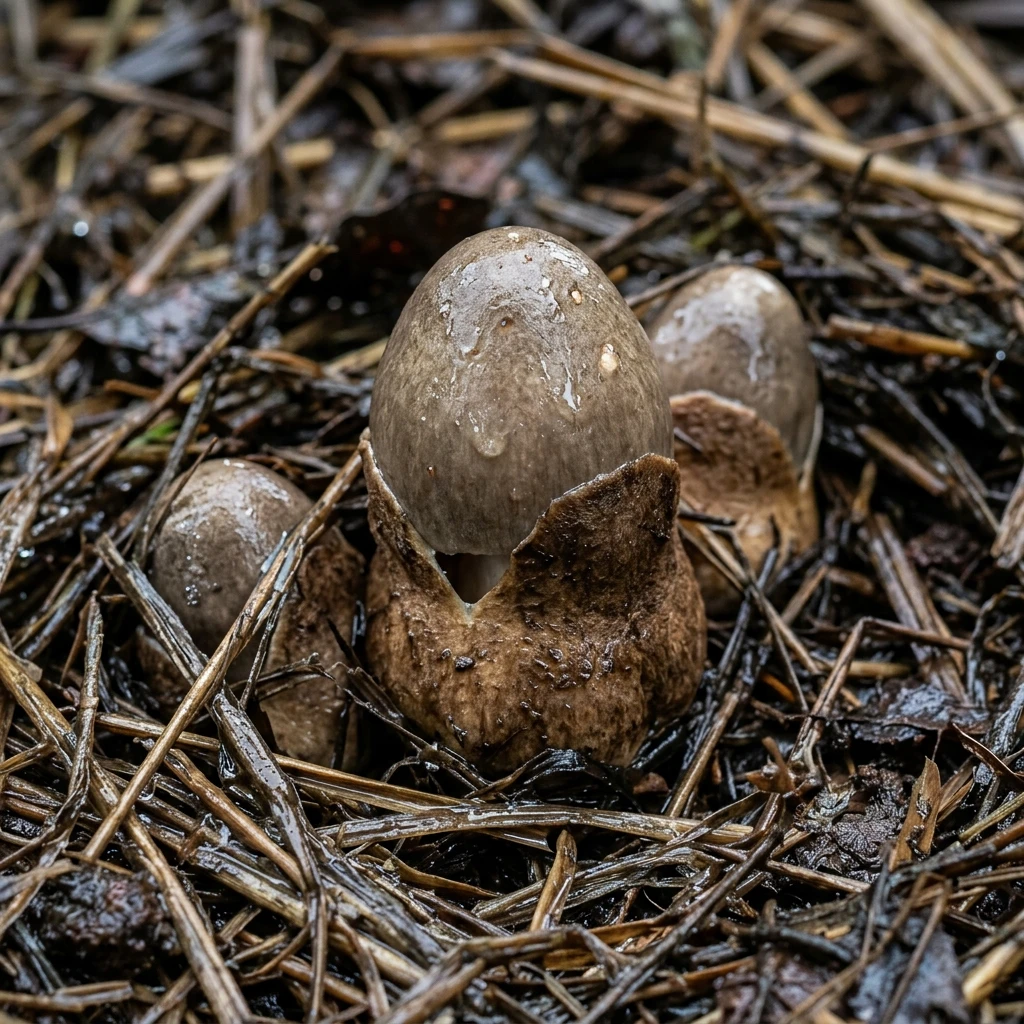
Botanical macro photography of Straw Mushroom (Volvariella volvacea) - Plant AI care database

How to Identify Straw Mushroom

A tropical mushroom with a mouse-grey cap, pinkish-brown gills, and a distinct bag-like volva at the stem base, lacking a ring.

  • Smooth Conical Cap: Mouse-grey to dark grey smooth cap that unfolds from an egg-like young dome.
  • Pinkish-Brown Gills: Gills start out white but mature to a beautiful pinkish-brown as spores ripen.
  • Bag-like Volva: A prominent, cup-shaped greyish-brown bag (volva) wrapping around the base of the stem.
💡 Safety Tip: Wild-growing Straw Mushrooms present massive toxic look-alike hazards. Never forage wild straw mushrooms without confirming pink spore prints and lack of a ring.

Complete Scientific Cultivation & Identification

Follow our professional mycological parameters and identification guidelines for safe foraging.

A thermophilic fungus that requires high temperatures (30-35°C) to fruit. Thrives on fermented paddy straw, cotton waste, and sugarcane bagasse.
Requires extreme humidity (85-95%). Mycelial beds must be kept warm and heavily misted, but standing water will rot the delicate young 'eggs'.
Requires moderate indirect light. Diffuse light stimulates the dark grey pigment on the cap and induces pinning; complete darkness produces pale mushrooms.
The cap is 5 to 12 cm, conical. Gills are free, extremely crowded, and turn from white to pinkish-tan when mature.
Produces a distinct pinkish-brown spore print. Highly sensitive to cold temperatures (below 15°C), which will kill the active tropical mycelium.
Flesh is soft, white, slippery, and sweet. The stem is solid, off-white, featuring a deep bag-like volva at the base but completely lacking a stem ring.
Harvest at the 'egg stage' before the outer veil breaks and the cap unfolds. Once the cap opens, the flesh turns soft, loses its firm texture, and has a shorter shelf life.
A choice edible in Asian cuisine. Slippery, velvety texture with a mild, savory umami taste. A classic ingredient in Thai Tom Yum soup and Chinese stir-fries.
Contains high concentrations of volatile proteins, vitamin C, amino acids, and active polysaccharides that aid in wound healing and support immune response.
CRITICAL WARNING: Extremely dangerous confusion! In Asia, foragers frequently mistake the highly toxic 'Death Cap' (Amanita phalloides) in its young egg stage for the edible Straw Mushroom. The Death Cap has a **stem ring**, white gills, and grows under hardwood trees, whereas Straw Mushrooms lack a ring, have pink gills, and grow on straw beds.
Fresh straw mushrooms decompose exceptionally fast. If you cannot consume them within 24 hours of harvest, blanch them in boiling water for 2 minutes and freeze, or purchase them canned.

Are your Straw Mushrooms turning mushy, yellow or melting?

Avoid refrigeration below 12°C, consume fresh within 24 hours, or blanch them for storage.

Identify My Mushroom

Common Diseases & Wild Contamination

Cold Damage Autolysis

Symptoms: Symptoms: Mushrooms turn soft, soggy, collapse, and melt into a foul-smelling dark liquid in the fridge.

Action: Action: Never store fresh Straw Mushrooms in the refrigerator below 12°C. They are tropical and will undergo autolysis (self-digestion) if chilled.

Bacterial Soft Rot

Symptoms: Symptoms: The young egg sheath turns slimy, yellow-brown, and emits a rotting vegetable smell.

Action: Action: Harvest eggs earlier. Keep growing beds warm and ensure adequate ventilation to prevent water from condensing on the egg membranes.

Frequently Asked Questions

Why are Straw Mushrooms harvested at the 'egg stage'?

At the egg stage, the cap is still enclosed inside the protective volva. This preserves a dense, slippery, and crunchy texture. Once the cap opens, the gills turn soft and the mushroom decays very rapidly.

How do you distinguish a Straw Mushroom from a toxic Amanita?

Straw Mushrooms have a deep bag-like volva but NO ring on the stem, and produce a pink spore print. Poisonous Amanitas (like the Death Cap) have BOTH a volva and a **stem ring (skirt)**, and produce a pure white spore print.

How should fresh Straw Mushrooms be stored?

Keep them in a warm, ventilated room (15-20°C) and cook them within 24 hours. For longer storage, you must blanch them in boiling water for 2 minutes, drain, and store in the freezer.

Are canned Straw Mushrooms as good as fresh?

Canned straw mushrooms are an excellent substitute. Rinse them thoroughly under cold water to remove the canned metallic taste, slice in half, and simmer in soups or stir-fries.

Understand nature safely. Identify mushrooms instantly!

Get Started for Free