Swedish Ivy Care & Identification Guide
Despite its name, Swedish Ivy is not a true ivy and is not native to Sweden, but is a fast-growing, cascading mint relative from Southern Africa. Famous for its bright green, round leaves with scalloped borders and delicate white-pink flowers, it is extremely pet-friendly. It is widely celebrated by botanists for its distinct environmental adaptability and structural appeal.





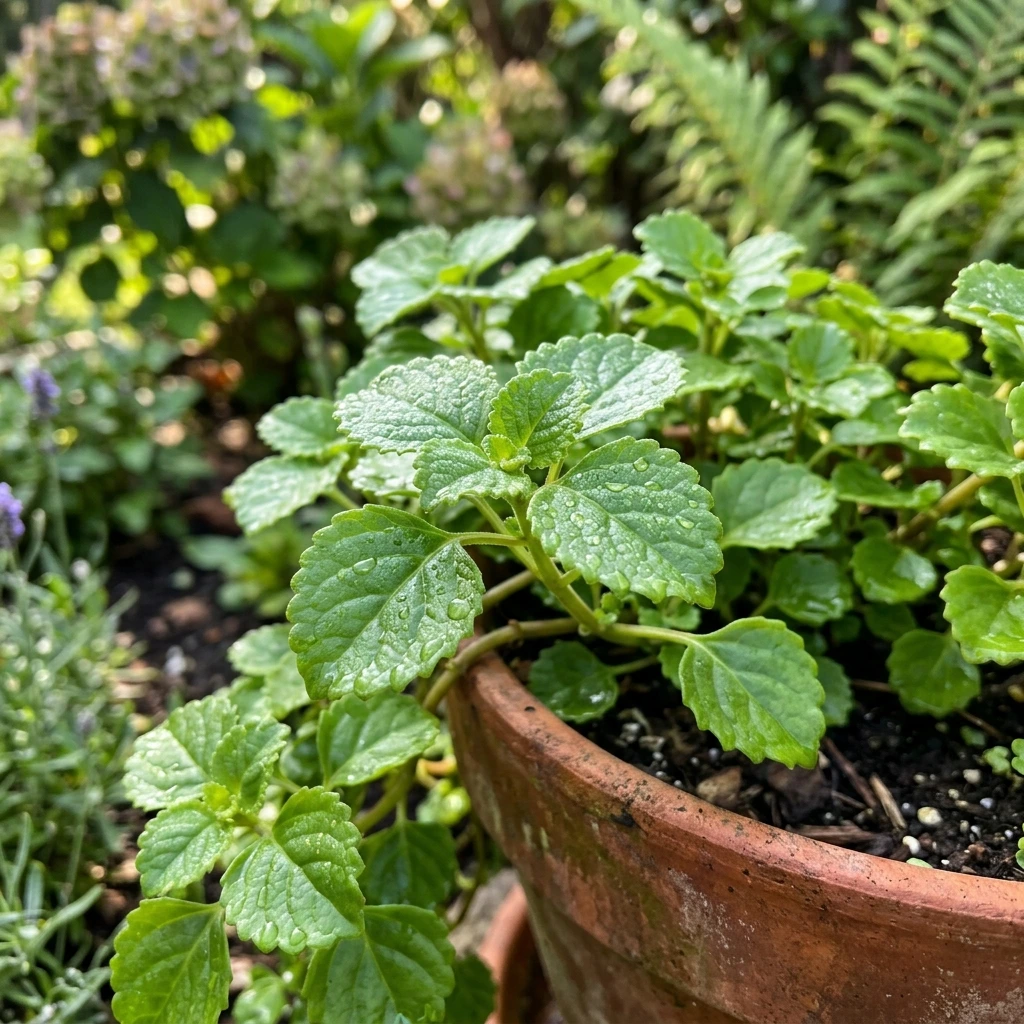
How to Identify Swedish Ivy
A fast-growing cascading plant with thick, round, bright green leaves that have deeply scalloped or tooth-like edges.
-
✔
Key Visual Features: Trailing square green stems (typical of the mint family) carrying fleshy, glossy leaves with rounded teeth borders.
-
✔
Color Variations: Lush bright green; some variegated varieties feature creamy white scalloped margins.
-
✔
Common Confusions: Often confused with Creeping Charlie (Glechoma hederacea) or Creeping Jenny, but Swedish Ivy has thicker, waxier leaves and upright flower spikes.
Complete Care & Cultivation Guide
Follow our detailed scientific care guide to keep your Swedish Ivy thriving and gorgeous all year round.
Common Diseases & Treatment
Root Rot (Overwatering)
Symptoms: Fleshy stems turn dark, soft, and mushy at the soil line; leaves turn pale yellow and drop.
Mealybugs
Symptoms: White, cottony, sticky residue appears on leaf joints and stem nodes, stunting vine growth.
Frequently Asked Questions
Is Swedish Ivy safe for my pets?
Yes! Swedish Ivy (Plectranthus verticillatus) is 100% non-toxic and highly pet-friendly. It is completely safe for homes with curious cats and dogs.
How do I make my Swedish Ivy look bushier?
Pinch off the tips of the growing stems regularly. This encourages the plant to branch out from the base rather than growing in single leggy vines.
Does Swedish Ivy bloom?
Yes. Under good indirect light, it produces tall, slender spikes of small, delicate, tubular white or light lavender flowers in spring and summer.
Can Swedish Ivy grow in low light?
It can survive in medium to low light, but its stems will become long, leggy, and sparse. Bright indirect light is best for lush foliage.