Prickly Pear Care & Identification Guide
Opuntia, universally known as the Prickly Pear Cactus, is an iconic and highly distinctive genus of cacti native to the Americas. They are characterized by their flat, fleshy, paddle-like stems called cladodes or pads. These pads are covered in areoles that produce both large, rigid spines and thousands of microscopic, barbed hair-like prickles called glochids that easily detach and cause intense skin irritation. It produces magnificent, paper-thin yellow or orange flowers followed by edible, sweet purple fruits known as tunas. It is widely celebrated by botanists for its distinct environmental adaptability and structural appeal.




How to Identify Prickly Pear
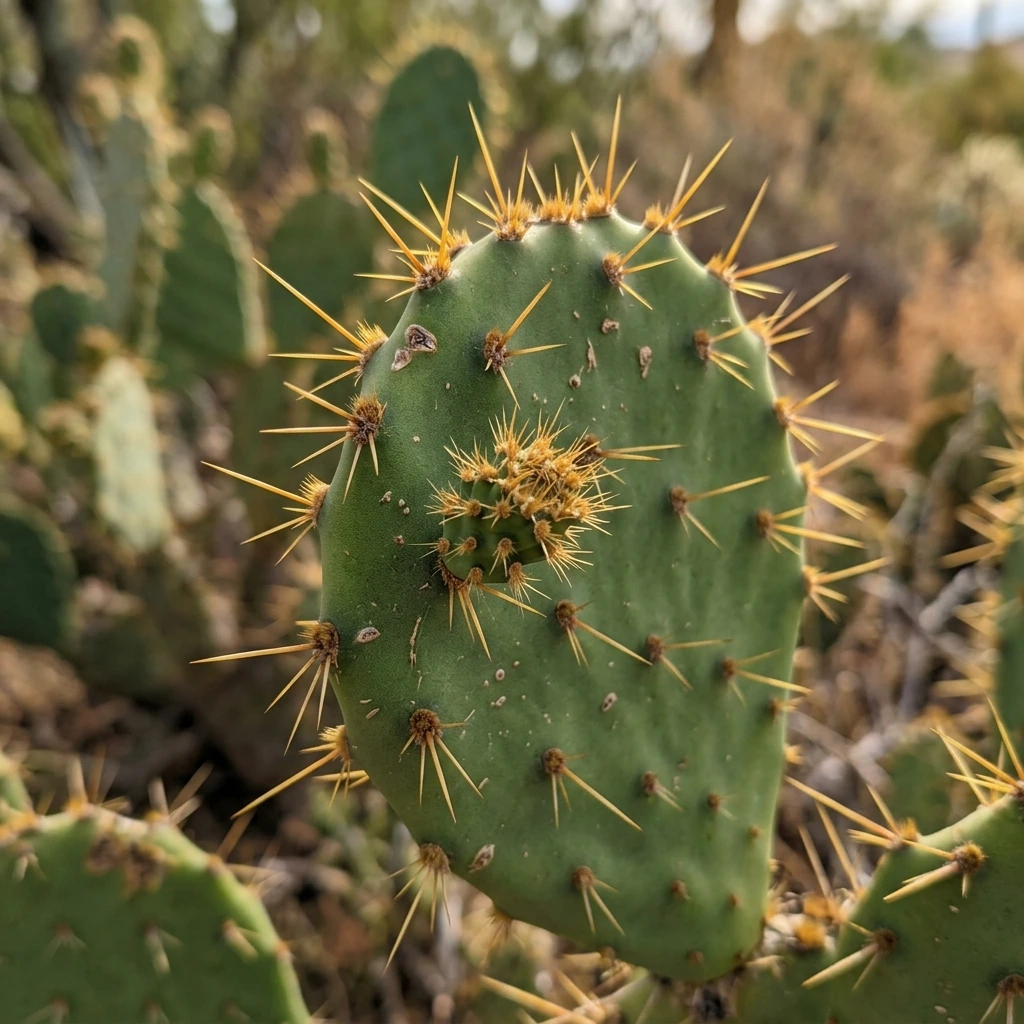
An iconic, heavily armed cactus consisting of flat, segmented paddle-like pads covered in yellow areoles with spines and glochids.
-
✔
Key Visual Features: Segmented, flattened paddle-like stems (cladodes); areoles spaced evenly across the pad surfaces; both long sharp spines and clusters of microscopic barbed glochids.
-
✔
Color Variations: Greyish-green to bright green pads; yellow, white, or brown spines; vibrant yellow, orange, or red flowers; dark red or purple fruits.
-
✔
Common Confusions: May be confused with other flat-padded cacti like Brasiliopuntia or Consolea. Prickly Pear (Opuntia) is distinguished by its highly segmented growth habit, symmetrical circular pads, and the presence of highly irritating glochids.
Complete Care & Cultivation Guide
Follow our detailed scientific care guide to keep your Prickly Pear thriving and gorgeous all year round.
Common Diseases & Treatment
Basal Rot (Black Rot)
Symptoms: The bottom of the cactus pad turns black, watery, and mushy, spreading upward rapidly.
Cochineal Scale
Symptoms: Sticky, white, cottony tufts cluster on the cactus pads, which turn deep red when crushed.
Frequently Asked Questions
How do I safely remove Prickly Pear prickles from my skin?
Use tweezers for large spines. For the tiny, microscopic glochids, apply household glue or duct tape to the affected area, let it dry, and gently peel it off.
Why are my cactus pads drooping and wrinkling?
Pads will droop and wrinkle if they are severely underwatered, or conversely, if their roots have rotted due to overwatering. Check the soil; if dry, water thoroughly. If soggy, inspect for root rot.
Are Prickly Pear pads and fruits edible?
Yes! The young pads (called nopales) and the ripe purple fruits (called tunas) are highly nutritious and delicious, but they must be carefully peeled and de-spined first.
Is the Prickly Pear cactus toxic to dogs?
No, it is chemically non-toxic, but the sharp spines and irritating glochids pose a serious mechanical danger to your pet's mouth, nose, and paws.