Pink Princess Care & Identification Guide
Philodendron 'Pink Princess' is one of the most famous and highly sought-after houseplants in the world. This stunning, climbing tropical evergreen features dark, near-black olive green leaves dramatically variegated with splashes and patches of bright, bubblegum pink. A true collector's item, it grows best when provided with a moss pole to climb, high humidity, and lots of bright, indirect sunlight to maximize its spectacular variegation. It is widely celebrated by botanists for its distinct environmental adaptability and structural appeal.





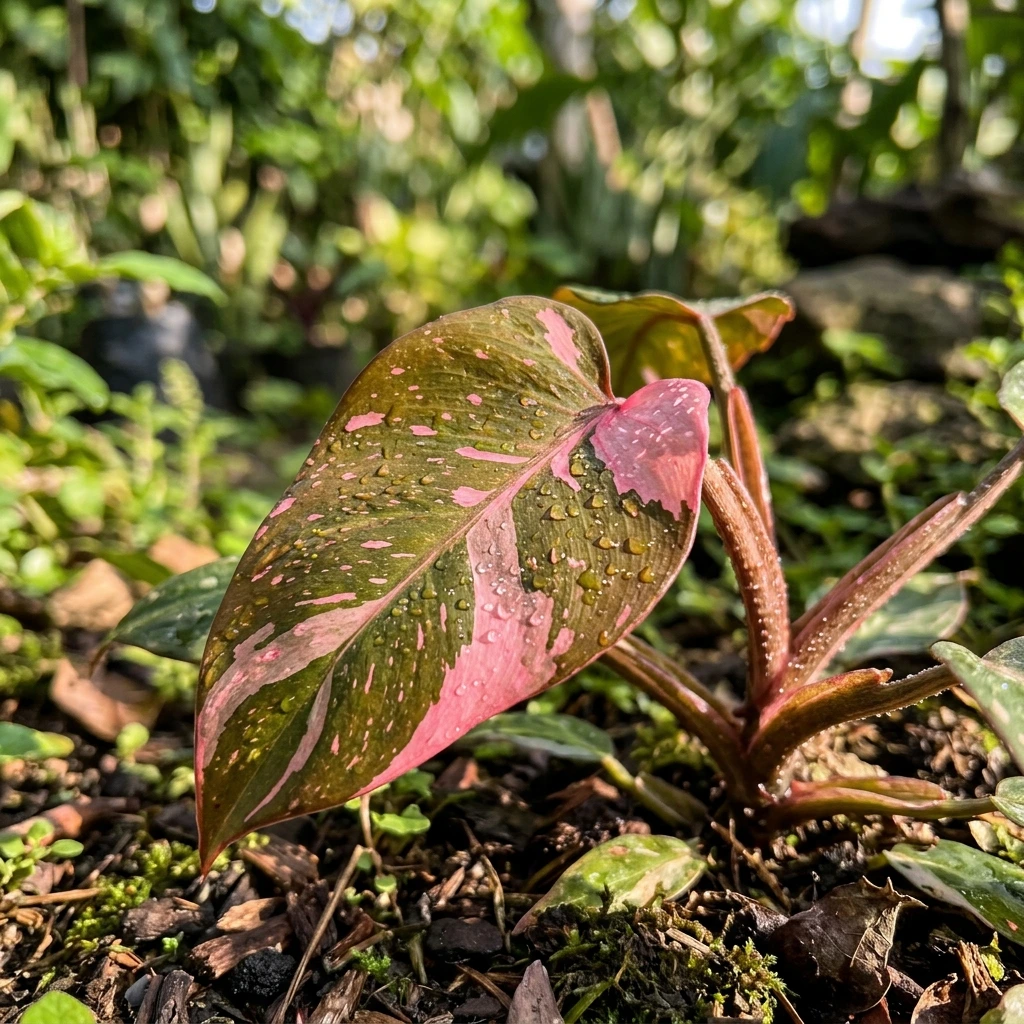
How to Identify Pink Princess
A highly coveted climbing vine characterized by its dark purplish-green leaves splashed with contrasting bubblegum pink patches.
-
✔
Key Visual Features: Climbing, vining growth habit; heart-shaped (hastate) leaves; striking, irregular pink splashes, sectors, or half-moon variegation.
-
✔
Color Variations: Dark olive-green to near-black leaves with reddish-purple undersides; bright bubblegum-pink variegated patches; pinkish-red petioles.
-
✔
Common Confusions: Often confused with Philodendron 'Pink Congo', but Pink Congo is chemically induced to turn pink temporarily and will revert to green, whereas Pink Princess has stable, natural, genetic variegation. Also confused with Syngonium 'Pink Splash', which has thinner, arrowhead-shaped leaves.
Complete Care & Cultivation Guide
Follow our detailed scientific care guide to keep your Pink Princess thriving and gorgeous all year round.
Common Diseases & Treatment
Reverting (Variegation Loss)
Symptoms: New leaves emerge solid dark green or dark red with no pink spots.
Spider Mites
Symptoms: Fine webbing on leaf joints, dusty look on leaf undersides, and pale speckling.
Frequently Asked Questions
How do I get more pink leaves on my Pink Princess?
Provide plenty of bright, indirect light (such as near an east-facing window). Light is the main driver of variegation. Avoid direct afternoon sun, which will burn the pink parts.
Why are the pink parts of my Pink Princess leaves turning brown?
Pink variegated tissues lack chlorophyll and are extremely delicate. Low humidity, sunburn, or overwatering can cause them to dry out and turn brown. Maintain humidity above 50%.
Does Pink Princess Philodendron climb?
Yes, Pink Princess is a climbing vine. Providing it with a sturdy moss pole or trellis will encourage it to grow larger, healthier leaves and climb vertically.
Is Pink Princess safe for dogs and cats?
No, it contains calcium oxalate crystals which are toxic. Keep this highly prized plant on a high shelf or plant stand away from curious pets.