Kentia Palm Care & Identification Guide
The Kentia Palm is the absolute royalty of indoor plants, native to Lord Howe Island off the coast of Australia. Favored by Queen Victoria, it is renowned for its elegant, slender green trunk and dark, arching, sculptural fronds. Known for its incredible durability, it handles low light, low humidity, and neglect better than almost any other palm, making it a highly premium design element. It is widely celebrated by botanists for its distinct environmental adaptability and structural appeal.




How to Identify Kentia Palm
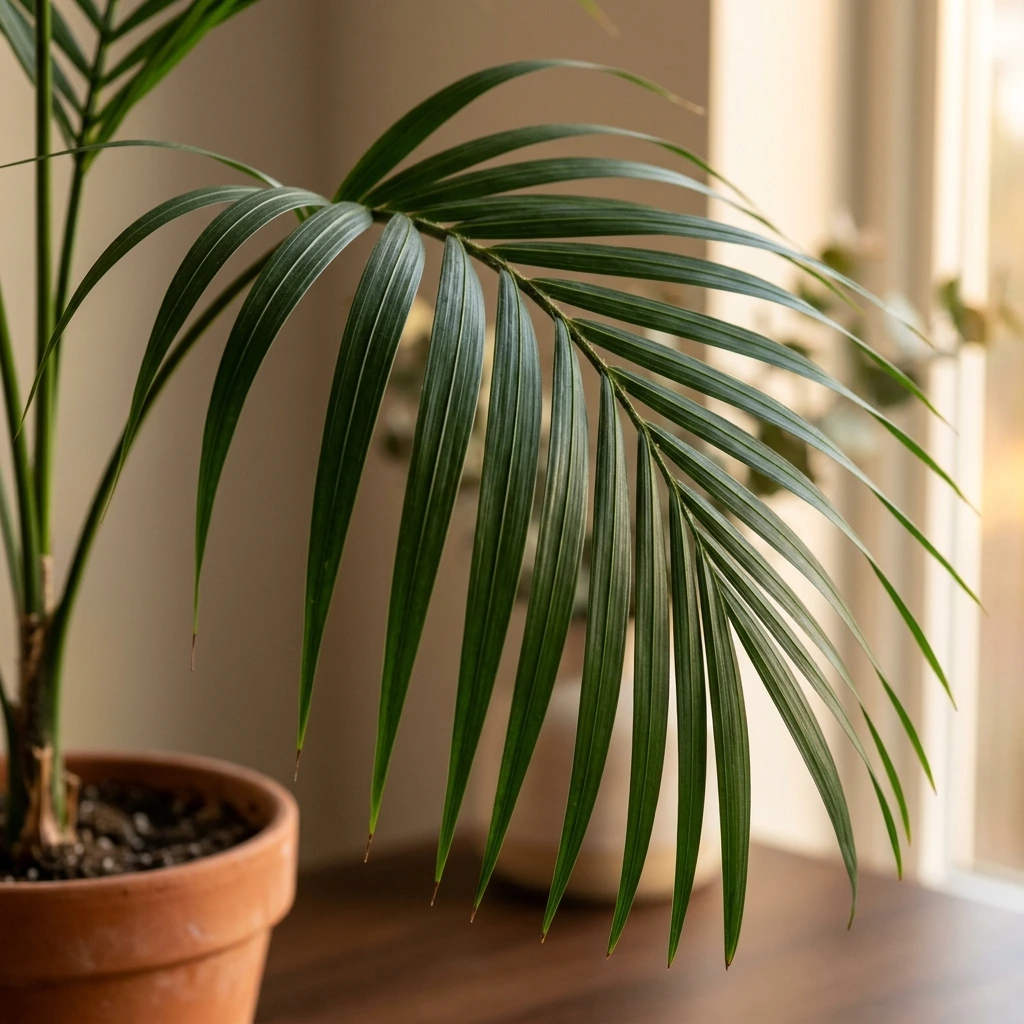
An elegant, premium indoor palm with dark-green, leathery fronds arching gracefully from slender, ringed trunks.
-
✔
Key Visual Features: Slender green trunk with prominent leaf scars; broad, drooping leaflets with a tough, leathery texture.
-
✔
Color Variations: Dusk-green to deep forest-green foliage; smooth olive-green stalks.
-
✔
Common Confusions: Distinguished from Majesty Palm and Areca Palm by its much broader, darker, and tougher leaflets, and its signature horizontal, umbrella-like arching habit.
Complete Care & Cultivation Guide
Follow our detailed scientific care guide to keep your Kentia Palm thriving and gorgeous all year round.
Common Diseases & Treatment
Root Rot (Pythium)
Symptoms: Fronds turn dull yellow, droop, and the stem base feels soft and mushy; soil remains wet.
Manganese Deficiency
Symptoms: New leaves emerge small, frizzled, yellow, and distorted (known as 'frizzle top').
Frequently Asked Questions
Why is the Kentia Palm so expensive?
Kentia Palms grow incredibly slowly from seed and require years of cultivation to reach a sellable size. However, they are highly sought after because of their luxurious, architectural aesthetic and unmatched resilience to indoor conditions.
Can Kentia Palm tolerate low light?
Yes! Kentia Palms are legendary for their ability to thrive in low-light conditions where other palms would perish. They are perfect for dark corners, hallways, and offices.
How often should I water my Kentia Palm?
Only water when the top 2 inches of soil are dry. It is far better to underwater a Kentia than to overwater it. Overwatering will quickly lead to root rot and kill this premium plant.
Is the Kentia Palm safe for pets?
Yes, Howea forsteriana is 100% pet-safe and non-toxic to cats and dogs. Its tough, leathery leaves are also less appealing to chewing pets compared to softer palms.