Stinging Nettle Care & Identification Guide
Stinging Nettle (Urtica dioica) is an exceptionally resilient, high-nutrient wild classic that brings an organic meadow aesthetic to your windowsill collection. Remarkably cold-hardy and water-efficient once established in pots, it adapts perfectly to poor average soils with minimal chemical fertilization, showcasing natural botanical strength and waxy green integrity.





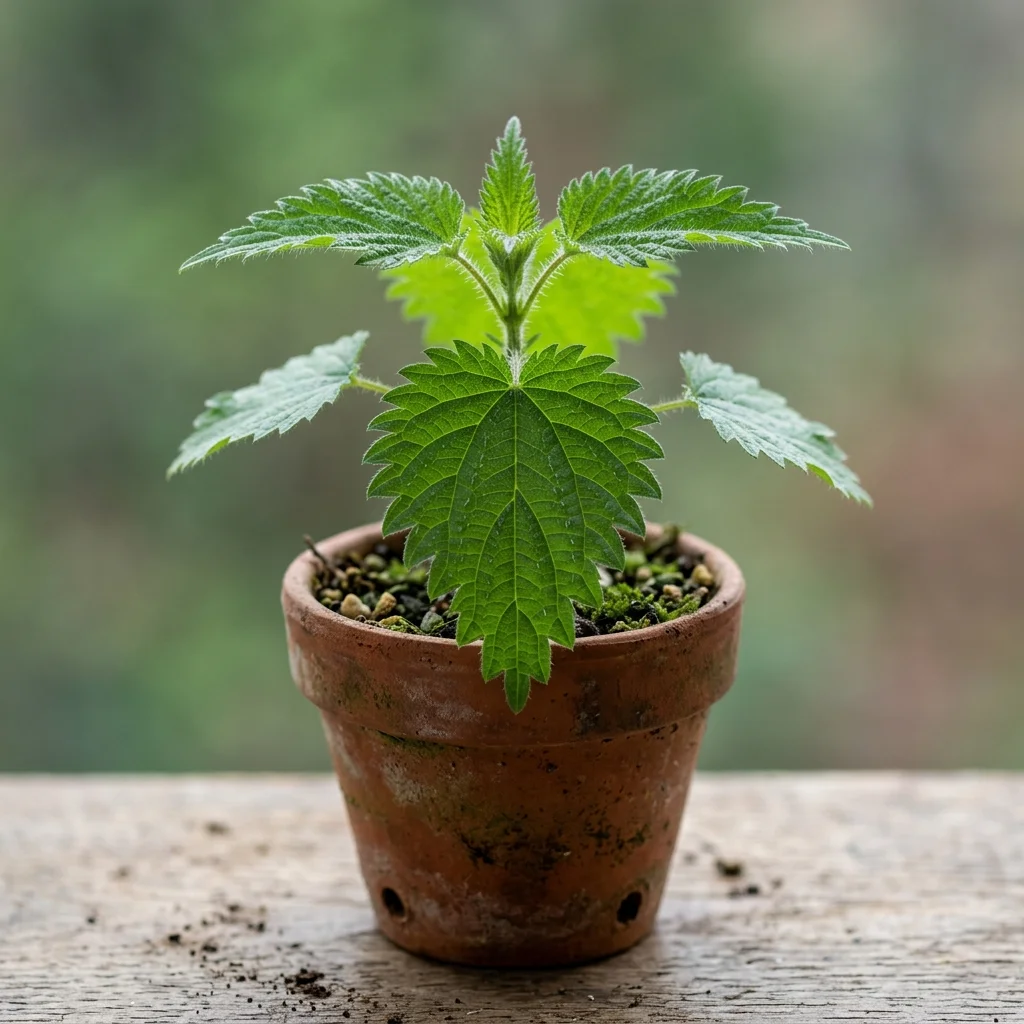
How to Identify Stinging Nettle
Stinging Nettle (Urtica dioica) is a remarkable botanical species widely appreciated for its unique aesthetic and structural appeal. Recognizing its definitive visual traits is key to distinguishing it from other similar plants.
-
✔
Key Visual Features: Key Visual Features: Deeply ribbed, serrated, or arrow-shaped linear leaves, growing in dense rosettes or sturdy upright mats.
-
✔
Color Variations: Color Variations: Rich grassy emerald greens, pale chartreuse, or deep forest green leaves with tiny daisy-like blooms.
-
✔
Common Confusions: Common Confusions: Resembles garden weeds when small, but identified by their signature herbal structures and botanical healing values.
Complete Care & Cultivation Guide
Follow our detailed scientific care guide to keep your Stinging Nettle thriving and gorgeous all year round.
Common Diseases & Treatment
Root Rot (Overwatering)
Symptoms: Leaves turn soft and yellow at the base, shrivel and drop prematurely, accompanied by a mushy root system and foul soil odor.
Foliage Rust
Symptoms: Small powdery orange or brown pustules appear on the linear leaves under humid, poorly ventilated indoor conditions.
Frequently Asked Questions
How often should I water my potted Stinging Nettle?
Water deeply only when the soil has dried out to the required depth. Ensure your pot has drainage holes, and never let the container sit in stagnant water trays, which will trigger root rot.
What is the best way to prune Stinging Nettle on a windowsill?
Regularly pinch back the top 2 inches of growing stems to encourage bushier, lateral branching. Immediately pinch off any flower buds to prevent bolting, which strips leaves of flavor.
Why is my Stinging Nettle losing its intense flavor and aroma?
Flavor loss is usually caused by over-fertilization. Heavy synthetic feeding rapidly grows watery leaves while diluting the essential oils. Use light liquid compost tea diluted to quarter strength.
Can I propagate Stinging Nettle from leaf or stem cuttings?
Yes! Culinary and aromatic herbs propagate easily by taking a 4-inch softwood stem cutting, stripping lower leaves, and keeping the cut node submerged in water until roots form in 1-2 weeks.