Catnip Care & Identification Guide
Catnip (Nepeta cataria) is a legendary therapeutic classic, highly appreciated for its soothing leaves or beautiful blossoms that make exceptional herbal teas. Thriving in porous potting mixes under intense solar exposure, it accumulates rich active essential compounds over its growth cycle. It provides an indispensable calming touch and natural botanical aesthetics to sunny indoor rooms.





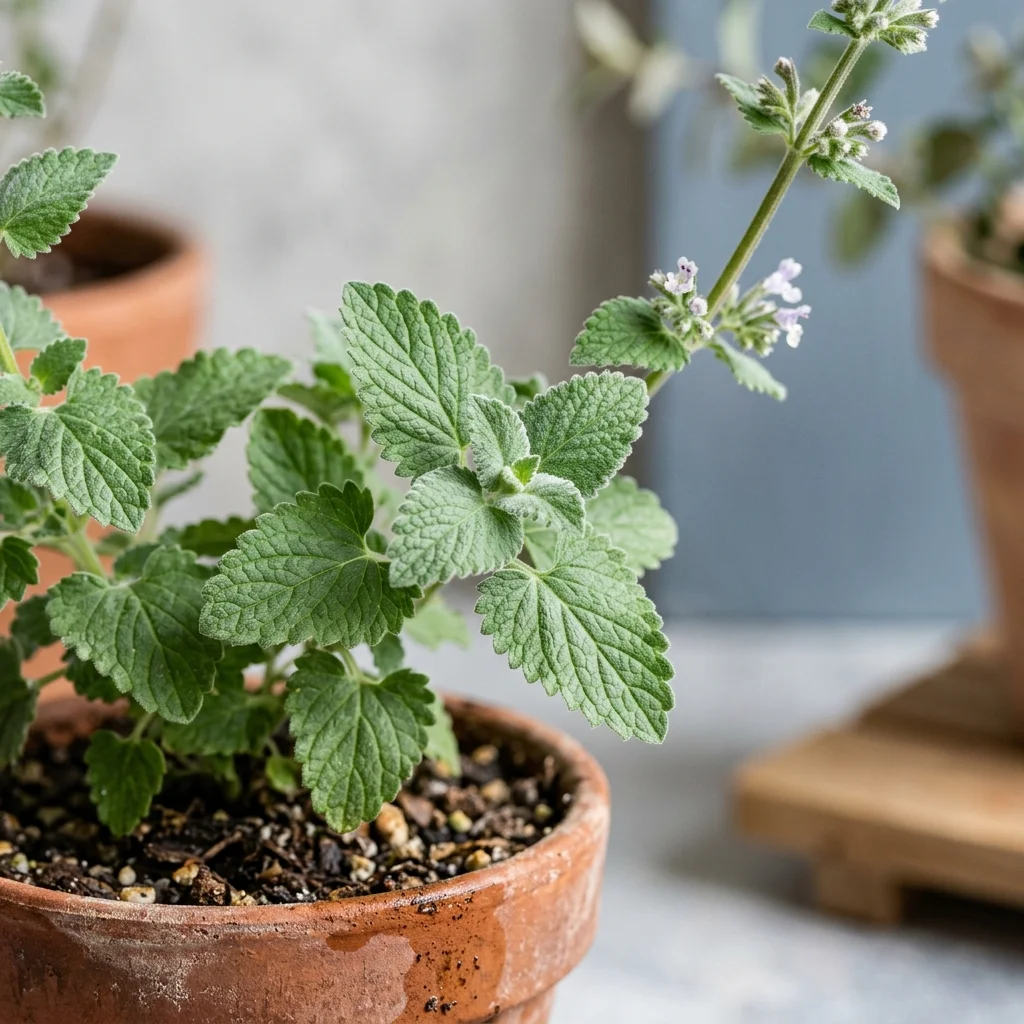
How to Identify Catnip
Catnip (Nepeta cataria) is a remarkable botanical species widely appreciated for its unique aesthetic and structural appeal. Recognizing its definitive visual traits is key to distinguishing it from other similar plants.
-
✔
Key Visual Features: Key Visual Features: Billowing rosettes or compact woody subshrubs yielding decorative whorled blossoms or fine textured leaves.
-
✔
Color Variations: Color Variations: Silvery-grey, deep forest greens, amber seed pods, or striking blue, pink, and bright yellow blooms.
-
✔
Common Confusions: Common Confusions: Often confused with standard houseplants, but easily distinguished by their highly distinct therapeutic volatile leaf fragrances.
Complete Care & Cultivation Guide
Follow our detailed scientific care guide to keep your Catnip thriving and gorgeous all year round.
Common Diseases & Treatment
Root Rot (Overwatering)
Symptoms: Leaves turn soft and yellow at the base, shrivel and drop prematurely, accompanied by a mushy root system and foul soil odor.
Foliage Rust
Symptoms: Small powdery orange or brown pustules appear on the linear leaves under humid, poorly ventilated indoor conditions.
Frequently Asked Questions
How often should I water my potted Catnip?
Water deeply only when the soil has dried out to the required depth. Ensure your pot has drainage holes, and never let the container sit in stagnant water trays, which will trigger root rot.
What is the best way to prune Catnip on a windowsill?
Regularly pinch back the top 2 inches of growing stems to encourage bushier, lateral branching. Immediately pinch off any flower buds to prevent bolting, which strips leaves of flavor.
Why is my Catnip losing its intense flavor and aroma?
Flavor loss is usually caused by over-fertilization. Heavy synthetic feeding rapidly grows watery leaves while diluting the essential oils. Use light liquid compost tea diluted to quarter strength.
Can I propagate Catnip from leaf or stem cuttings?
Yes! Culinary and aromatic herbs propagate easily by taking a 4-inch softwood stem cutting, stripping lower leaves, and keeping the cut node submerged in water until roots form in 1-2 weeks.