Variegated Moor Grass Care & Identification Guide
Variegated Moor Grass is a highly elegant, cool-season ornamental grass, prized for its cream-colored and yellow striped leaves rising upright, with purple-tinted stems and flower heads. It brings unmatched texture, cool color contrast, and airy movement to rockeries, borders, and gravel gardens.





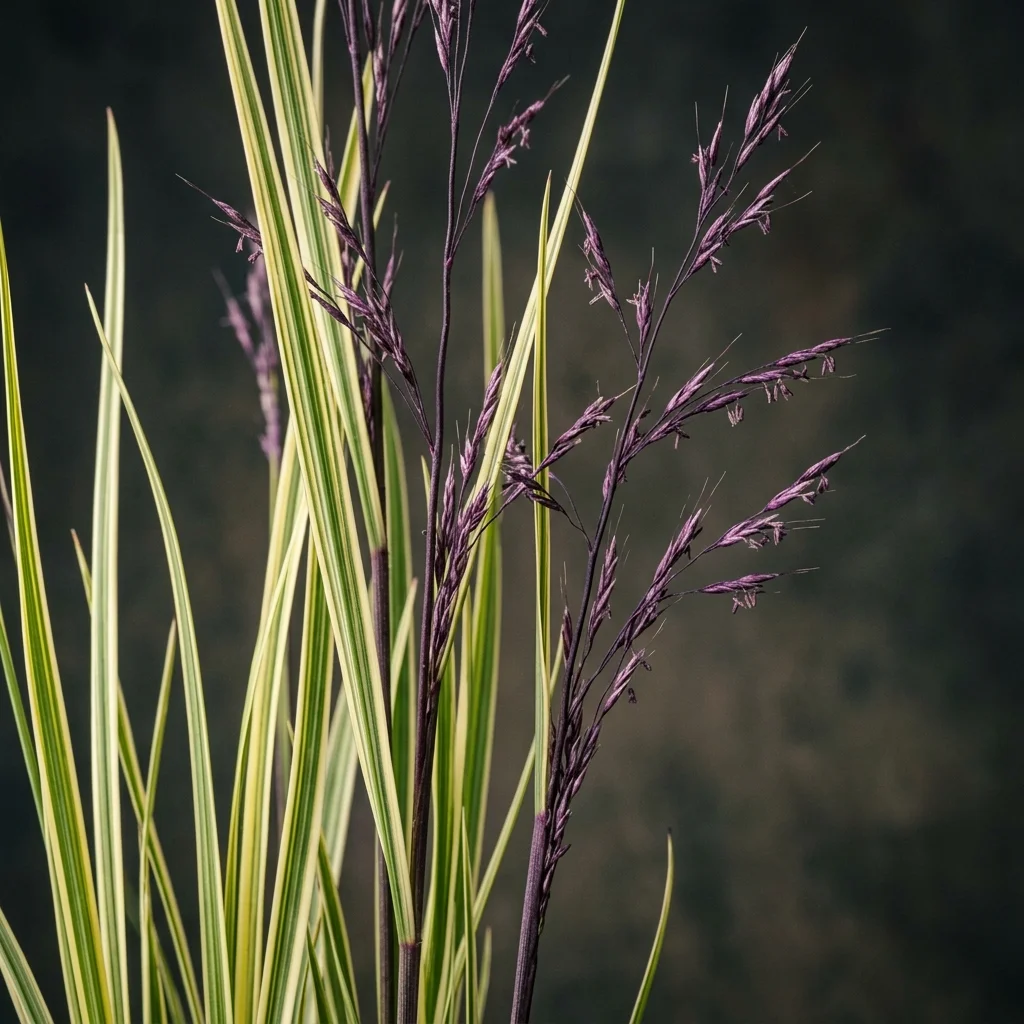
How to Identify Variegated Moor Grass
Variegated Moor Grass (Molinia caerulea 'Variegata') is a remarkable botanical species widely appreciated for its unique aesthetic and structural appeal. Recognizing its definitive visual traits is key to distinguishing it from other similar plants.
-
✔
Key Visual Features: Key Visual Features: Dense arching clumps of narrow linear foliage, topped in summer by feathery, bottle-brush, or metallic flower panicles.
-
✔
Color Variations: Color Variations: Blue-grey blades, warm golden stripes, pink-flushed panicles, or waxy emerald foliage.
-
✔
Common Confusions: Common Confusions: Resembles wild lawn weeds when small, but recognized by their tight, neat clumping growth and showy tall flower spikes.
Complete Care & Cultivation Guide
Follow our detailed scientific care guide to keep your Variegated Moor Grass thriving and gorgeous all year round.
Common Diseases & Treatment
Root Rot (Overwatering)
Symptoms: Leaves turn soft and yellow at the base, shrivel and drop prematurely, accompanied by a mushy root system and foul soil odor.
Foliage Rust
Symptoms: Small powdery orange or brown pustules appear on the linear leaves under humid, poorly ventilated indoor conditions.
Frequently Asked Questions
Why is my Variegated Moor Grass growing so slowly?
Molinia caerulea is naturally a slow-growing grass that takes 2 to 3 years to reach its full size and produce a dense canopy of flower spikes. Avoid over-fertilizing with high-nitrogen fertilizers, which will not speed up growth but can cause the stems to flop.
Does Variegated Moor Grass spread aggressively?
No. Molinia caerulea 'Variegata' is a strictly clump-forming grass that expands slowly and non-invasively via short roots. It will not run or invade neighboring beds, making it very easy to contain in tight garden borders.
Can I grow Variegated Moor Grass in dry, sandy soil?
No, it strongly dislikes dry, sandy, or alkaline soils. It is native to moist, acidic bogs and peatlands and must have consistent soil moisture and acidic to neutral pH to survive and maintain its lush stripes.
When is the best time to divide Purple Moor Grass?
The best time to divide this cool-season grass is in early spring just as new green shoots appear, or in early autumn. Avoid dividing during the high heat of summer, which can cause severe leaf scorch and root failure.