Umbrella Sedge Care & Identification Guide
Umbrella Sedge is a highly architectural, moisture-loving perennial sedge, prized for its exceptionally elegant radial arrangement of flat green leaf-like bracts that look exactly like a geometric windwheel or umbrella skeleton. Thriving in boggy margins, it serves as a spectacular focal point for water gardens, terrariums, and patio planters.





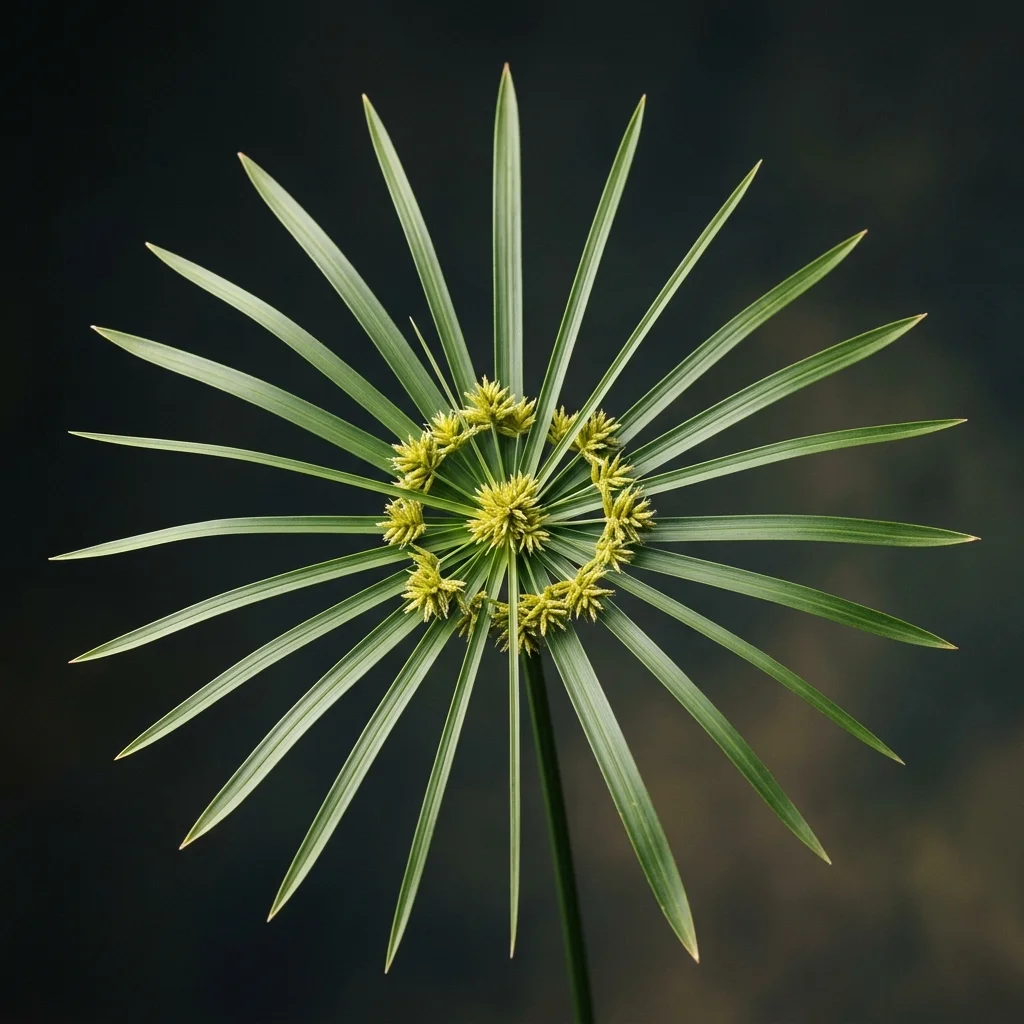
How to Identify Umbrella Sedge
Umbrella Sedge (Cyperus alternifolius) is a remarkable botanical species widely appreciated for its unique aesthetic and structural appeal. Recognizing its definitive visual traits is key to distinguishing it from other similar plants.
-
✔
Key Visual Features: Key Visual Features: Stiff, solid triangular or round vertical stems rising in graceful clumps directly from strong underground rhizomes.
-
✔
Color Variations: Color Variations: Vivid emerald greens, chartreuse, rich bronze, or cream-striped blades depending on the potted cultivar.
-
✔
Common Confusions: Common Confusions: Often mistaken for true ornamental grasses, but easily distinguished in pots by their solid stems and three-ranked foliage arrangement.
Complete Care & Cultivation Guide
Follow our detailed scientific care guide to keep your Umbrella Sedge thriving and gorgeous all year round.
Common Diseases & Treatment
Root Rot (Overwatering)
Symptoms: Leaves turn soft and yellow at the base, shrivel and drop prematurely, accompanied by a mushy root system and foul soil odor.
Foliage Rust
Symptoms: Small powdery orange or brown pustules appear on the linear leaves under humid, poorly ventilated indoor conditions.
Frequently Asked Questions
Why are the leaf tips of my Umbrella Sedge turning brown?
Brown leaf tips are a classic sign of dehydration or dry air. Cyperus alternifolius is a wetland plant that must have constantly damp or waterlogged roots. Ensure the soil never dries out, and keep indoor plants in a saucer of water or mist the foliage regularly.
Can I grow Umbrella Sedge as an indoor houseplant?
Yes! Its sleek tropical palm-like look makes it a spectacular houseplant. Place it in a high-light window, and keep the pot in a deep saucer that is kept filled with water. This replicates its natural swamp environment perfectly.
How do I propagate Cyperus alternifolius?
An incredibly fun and unique method is 'head division' or tip cuttings. Cut a healthy stem off, trim the green bracts down to 1 inch, and place the head upside down in a glass of water. Within 2 weeks, roots and fresh green shoots will sprout directly from the center of the head!
Is Umbrella Sedge aggressive?
It spreads slowly via a compact rhizome mass to form a tight, architectural clump. It is non-invasive and easy to contain, especially when grown in aquatic pots submerged along pond shelves.