Tussock Sedge Care & Identification Guide
Tussock Sedge is an exceptionally resilient native North American wetland conservation sedge, prized for forming dense, textured mounded fibrous crowns (tussocks) rising above swampy water, bearing weeping grass-like leaves. It is the premier choice for shoreline stabilization and ecological restoration.





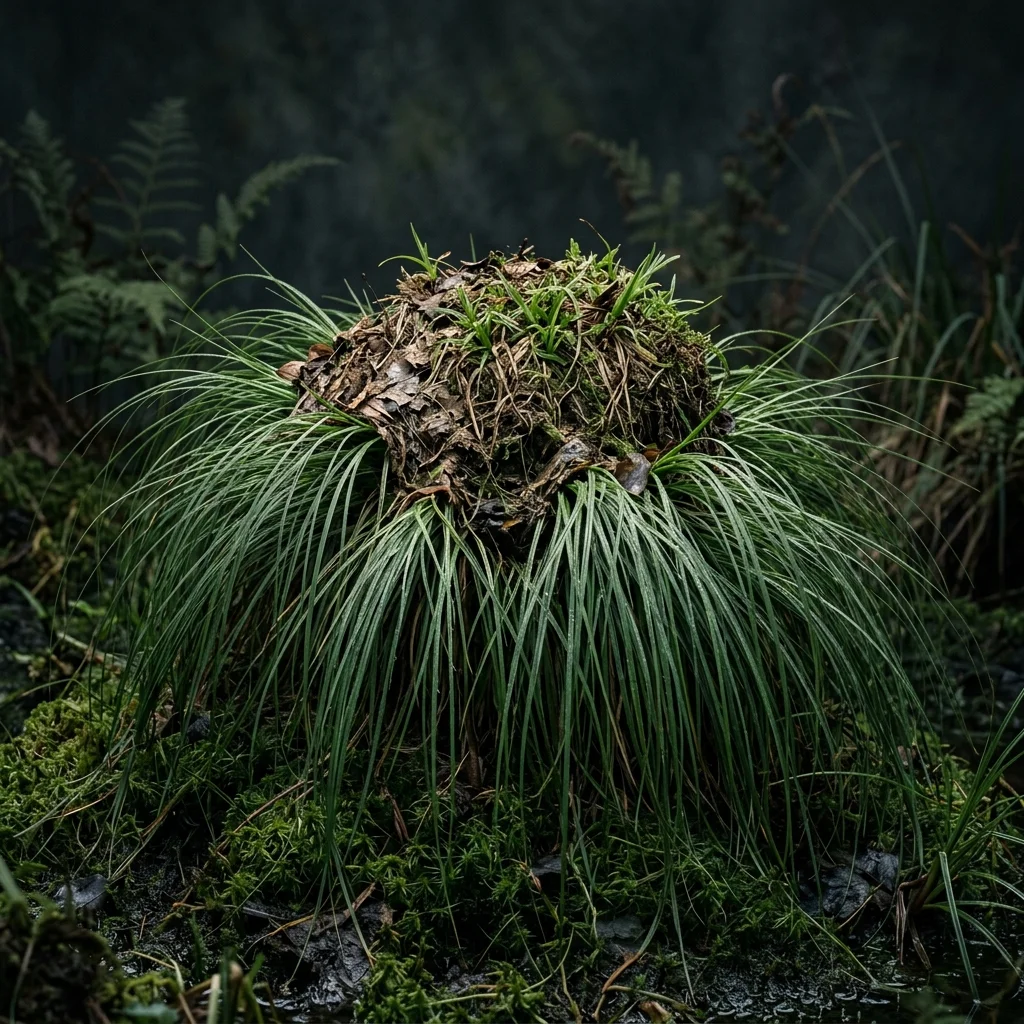
How to Identify Tussock Sedge
Tussock Sedge (Carex stricta) is a remarkable botanical species widely appreciated for its unique aesthetic and structural appeal. Recognizing its definitive visual traits is key to distinguishing it from other similar plants.
-
✔
Key Visual Features: Key Visual Features: Stiff, solid triangular or round vertical stems rising in graceful clumps directly from strong underground rhizomes.
-
✔
Color Variations: Color Variations: Vivid emerald greens, chartreuse, rich bronze, or cream-striped blades depending on the potted cultivar.
-
✔
Common Confusions: Common Confusions: Often mistaken for true ornamental grasses, but easily distinguished in pots by their solid stems and three-ranked foliage arrangement.
Complete Care & Cultivation Guide
Follow our detailed scientific care guide to keep your Tussock Sedge thriving and gorgeous all year round.
Common Diseases & Treatment
Root Rot (Overwatering)
Symptoms: Leaves turn soft and yellow at the base, shrivel and drop prematurely, accompanied by a mushy root system and foul soil odor.
Foliage Rust
Symptoms: Small powdery orange or brown pustules appear on the linear leaves under humid, poorly ventilated indoor conditions.
Frequently Asked Questions
What is a 'tussock' and how does Carex stricta build it?
A tussock is a raised, highly compact pedestal of fibrous organic matter. Over years of growing in flooded marshes, Carex stricta accumulates dense layers of persistent dead roots and stems at its base. This build-up forms a raised mound that elevates the living crown above seasonal floodwaters.
Can Tussock Sedge be grown on dry ground?
It prefers saturated, soggy soils and will struggle on dry sandy ground. However, it can grow beautifully in average, well-draining garden soils in partial shade if provided with regular, deep watering to keep the soil moist.
How does Tussock Sedge prevent shoreline erosion?
Its massive, incredibly dense network of fibrous roots binds soft, saturated lake banks and stream shores together like concrete. This root binding absorbs wave energy, filters surface water runoff, and prevents wind and water erosion.
Is Tussock Sedge safe for pets?
Yes! Carex stricta is completely non-toxic and safe for all dogs, cats, horses, and livestock, making it highly suitable for farm ponds and residential rain gardens.