Snow Tussock Care & Identification Guide
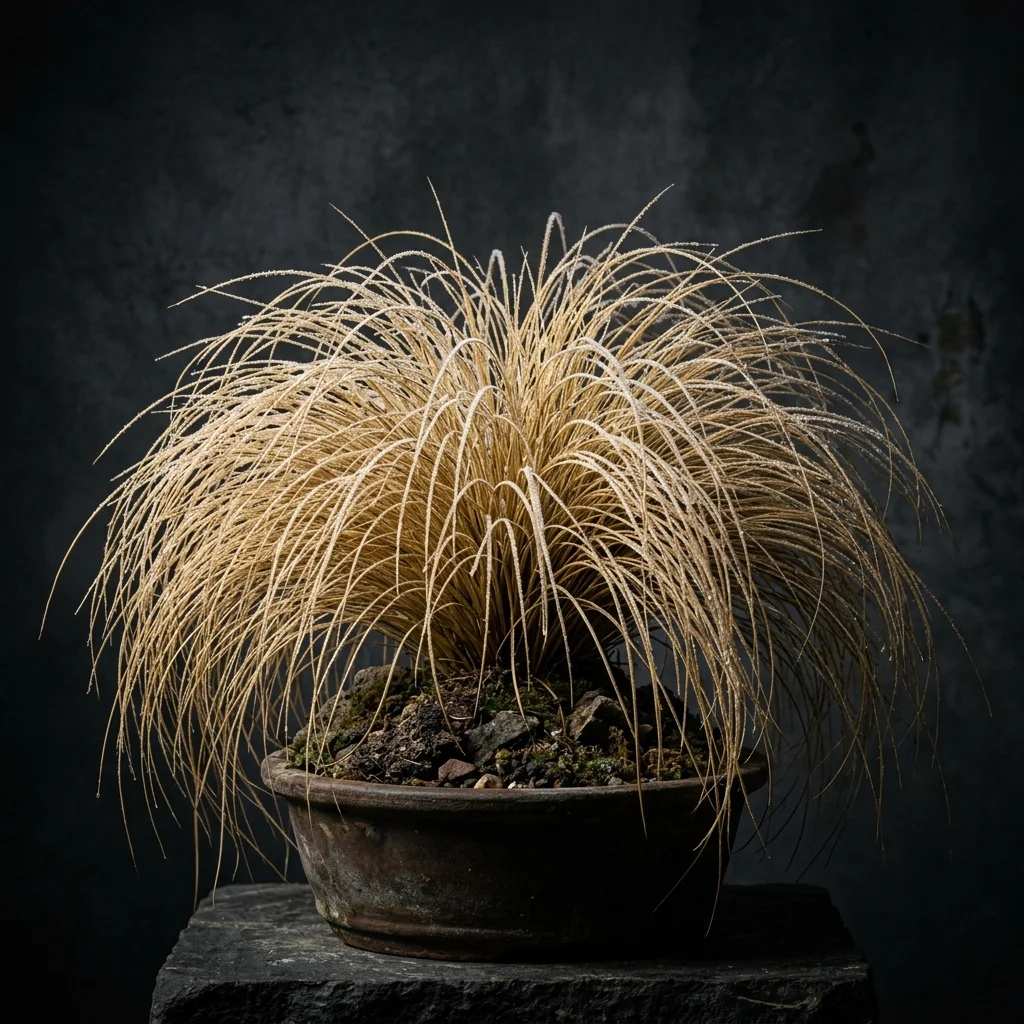
Snow Tussock is a magnificent, highly structural alpine perennial grass, iconic for its large, dense, weeping mounds of golden-straw and pale copper wiry foliage. It is the premier, wind-resistant guardian of southern subalpine mountain slopes.





How to Identify Snow Tussock
Snow Tussock (Chionochloa frigida) is a remarkable botanical species widely appreciated for its unique aesthetic and structural appeal. Recognizing its definitive visual traits is key to distinguishing it from other similar plants.
-
✔
Key Visual Features: Key Visual Features: Dense arching clumps of narrow linear foliage, topped in summer by feathery, bottle-brush, or metallic flower panicles.
-
✔
Color Variations: Color Variations: Blue-grey blades, warm golden stripes, pink-flushed panicles, or waxy emerald foliage.
-
✔
Common Confusions: Common Confusions: Resembles wild lawn weeds when small, but recognized by their tight, neat clumping growth and showy tall flower spikes.
Complete Care & Cultivation Guide
Follow our detailed scientific care guide to keep your Snow Tussock thriving and gorgeous all year round.
Common Diseases & Treatment
Root Rot (Overwatering)
Symptoms: Leaves turn soft and yellow at the base, shrivel and drop prematurely, accompanied by a mushy root system and foul soil odor.
Foliage Rust
Symptoms: Small powdery orange or brown pustules appear on the linear leaves under humid, poorly ventilated indoor conditions.
Frequently Asked Questions
How does Snow Tussock handle heavy winter snow?
Chionochloa frigida has highly flexible, wiry leaf blades that bend gracefully under the weight of winter snow without breaking. Its dense weeping shape sheds excess snow quickly, protecting the crown from freezing.
Does Snow Tussock lose its color in winter?
No! Snow Tussock is an evergreen alpine grass that maintains its striking golden-straw and copper-bronze colors throughout the freezing winter months.
What is the lifespan of Chionochloa frigida?
It is an exceptionally long-lived perennial grass, with individual tussocks capable of surviving for several decades in harsh alpine environments.
Is Snow Tussock toxic to grazing pets?
No, it is completely non-toxic and highly safe for all domestic pets, horses, and cattle.