Bouteloua curtipendula

Sideoats Grama Care & Identification Guide

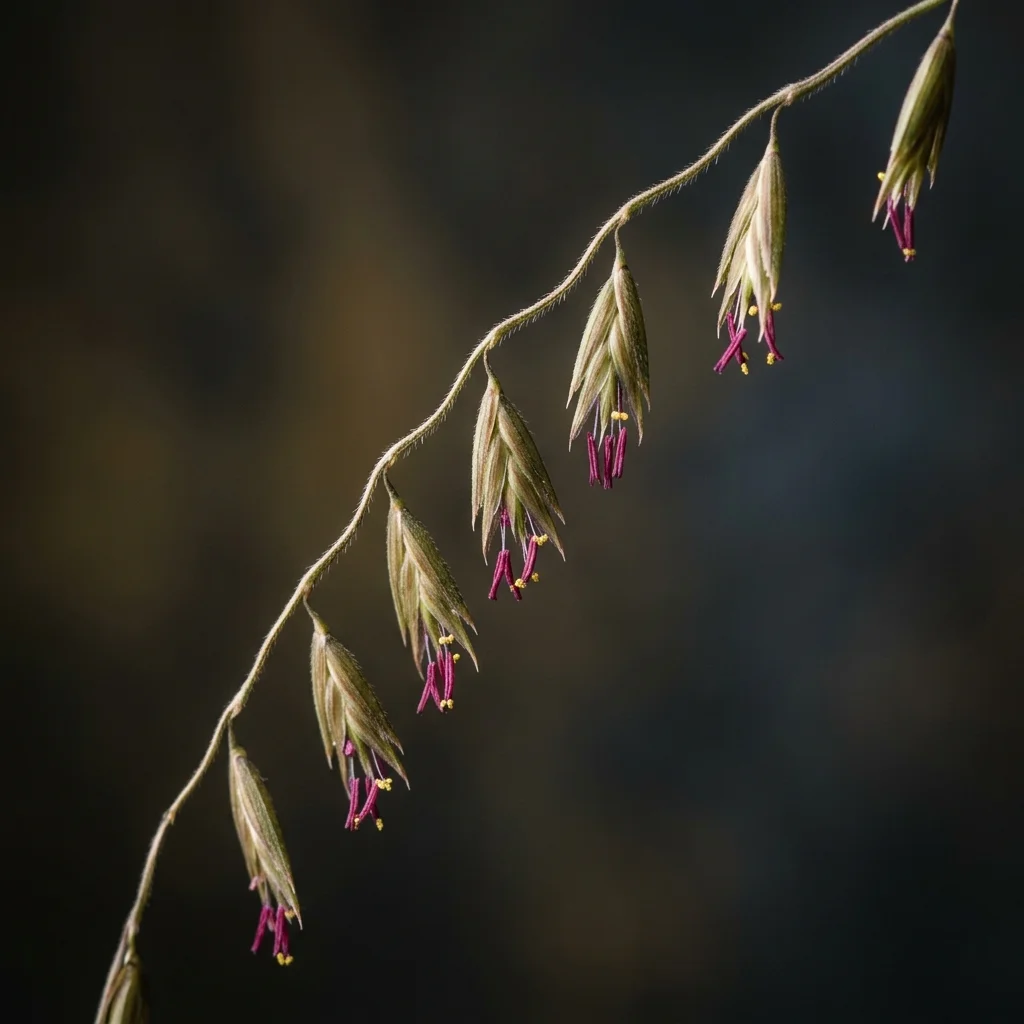
Sideoats Grama is a highly unique, structural native prairie grass, celebrated for its oat-like seeds hanging elegantly from only one side of the slender, zig-zag stems, accented by dangling bright purple-red thread-like flowers. It is highly valued for its extreme drought tolerance and wildlife habitat value.


Sunlight Icon
Sunlight Full Sun (6+ hours of direct daily sunlight is essential to produce the unique side-dangling seed spikes).
Watering Icon
Watering Low to moderate; highly drought-resistant once established. Dislikes wet clay.
Soil Mix Icon
Soil Mix Poor, dry, well-draining rocky, sandy, or gravelly soils. Highly tolerant of shallow soils.
Temperature Icon
Temperature 15°C - 25°C
Toxicity Warning Icon
Toxicity Completely non-toxic to dogs and cats; safe for all pets.
Botanical macro photography of Sideoats Grama (Bouteloua curtipendula) - Plant AI care database

How to Identify Sideoats Grama

Sideoats Grama (Bouteloua curtipendula) is a remarkable botanical species widely appreciated for its unique aesthetic and structural appeal. Recognizing its definitive visual traits is key to distinguishing it from other similar plants.

  • Key Visual Features: Key Visual Features: Robust upright culms with swollen joint nodes, ending in dense ornamental flower spikes or rippling grain heads.
  • Color Variations: Color Variations: Bright green foliage during spring growth, turning into warm amber, straw-yellow, or bronze seed heads as they mature.
  • Common Confusions: Common Confusions: Resembles lawn turf when young, but easily recognized at maturity by wide leaves, coarse stems, and heavy seed panicles.
💡 Plant AI Tip: Not sure? Take a photo with Plant AI to identify your houseplants instantly.

Complete Care & Cultivation Guide

Follow our detailed scientific care guide to keep your Sideoats Grama thriving and gorgeous all year round.

Requires a deep, consistent watering schedule during their initial indoor growth phase. Water once a week when the top 2 inches of the container soil feel dry. Once grain spikes emerge, reduce watering to once every 10 days to allow the decorative seed heads to dry and mature beautifully.
Prune off any lower yellowing leaves at the stem node to maximize air circulation. Wipe the broad foliage blades once a month with a damp cloth to clear indoor dust and keep their waxy green appearance glossy.
Feed with a balanced organic houseplant fertilizer diluted to half strength once every 3 weeks in spring. Discontinue all fertilizer once the decorative grain heads begin to ripen in late summer.
Demands the brightest possible indoor spot, preferably on a south-facing windowsill receiving at least 6 to 8 hours of direct sun daily. Insufficient indoor light leads to weak, leggy stems that easily fall over.
Thrives in a highly porous, fast-draining potting loam. An ideal mix includes 50% premium organic houseplant soil, 30% perlite, and 20% coarse sand, with a neutral pH range of 6.0 to 7.5.
Propagated exclusively from seeds. Sow seeds 1/2 inch deep in moist starting soil on a warm windowsill. Maintain steady moisture and high light; sprouts will emerge in 5 to 10 days.
Thrives in warm indoor temperatures of 20°C to 28°C. Protect from cold air conditioning drafts or chilly evening windows, which can stunt spike development and cause early leaf yellowing.
Grow in deep, heavy terracotta pots (at least 3 gallons) to support the deep root systems and prevent top-heavy tipping as the heavy decorative grain heads mature in late summer.
Subject to spider mites or thrips in dry indoor air. Rinse foliage in the shower regularly to dislodge pests and apply organic neem oil spray to the stems and leaf undersides.
Vulnerable to powdery mildew if indoor air circulation is poor. Avoid overhead watering, space pots widely from other plants, and treat with sulfur sprays if white powdery spots appear.
Potted ancient grains provide a wonderful, rustic farmhouse charm to sunny sunrooms or kitchens. Cut the dried seed heads to create stunning dry flower arrangements that last for years.

Is your Sideoats Grama leaves turning yellow, dry or brown?

Keep your indoor garden vibrant. Take a photo with Plant AI to diagnose pests and leaf spot diseases instantly.

Diagnose My Plant

Common Diseases & Treatment

Root Rot (Overwatering)

Symptoms: Leaves turn soft and yellow at the base, shrivel and drop prematurely, accompanied by a mushy root system and foul soil odor.

Action: Drastically cut watering. Remove mushy leaves, wash away old soggy soil, prune rotten black roots, and repot in dry succulent mix with drainage holes.

Powdery Mildew

Symptoms: A dusty white or gray powdery coating spreads across the broad leaves, causing distorted growth in stagnant rooms.

Action: Space pots widely, avoid spraying water onto foliage, and apply an organic sulfur-based spray. Increase room airflow.

Frequently Asked Questions

Why are the seeds only hanging on one side of the stem?

This is a unique botanical and evolutionary adaptation of Bouteloua curtipendula, hence its common name 'Sideoats'. The oat-like spikelets are attached to a zig-zag stem by short pedicels that naturally twist to face one direction, allowing the wind to easily pollinate the dangling purple-red flowers.

Can Sideoats Grama grow in heavy clay soil?

It can tolerate average clay if the location is sloped and drains quickly. However, constantly waterlogged, wet winter clay will quickly rot the crown. Amend clay soils with coarse sand, gravel, or compost to improve drainage before planting.

Is Bouteloua curtipendula beneficial for wildlife?

Yes! Sideoats Grama is a powerhouse for wildlife. The protein-rich seeds are a primary winter food source for songbirds and wild turkeys, and the dense foliage provides vital nesting cover for native beneficial insects and small mammals.

How tall does Sideoats Grama grow?

The vegetative blue-green foliage clump remains compact, reaching only 10 to 12 inches tall. However, in mid-summer, the slender flowering stalks rise up to 2 to 3 feet, creating an airy, layered look in the garden.

No more dying plants. Grow healthy greens today!

Get Started for Free