Sea Oats Care & Identification Guide
Sea Oats is an exceptionally robust, highly vital coastal perennial grass, famous for its large, drooping straw-colored spikelets that hang gracefully like heavy wind chimes. It is the premier, legally protected sand-binding pioneer of Atlantic coastal dunes.





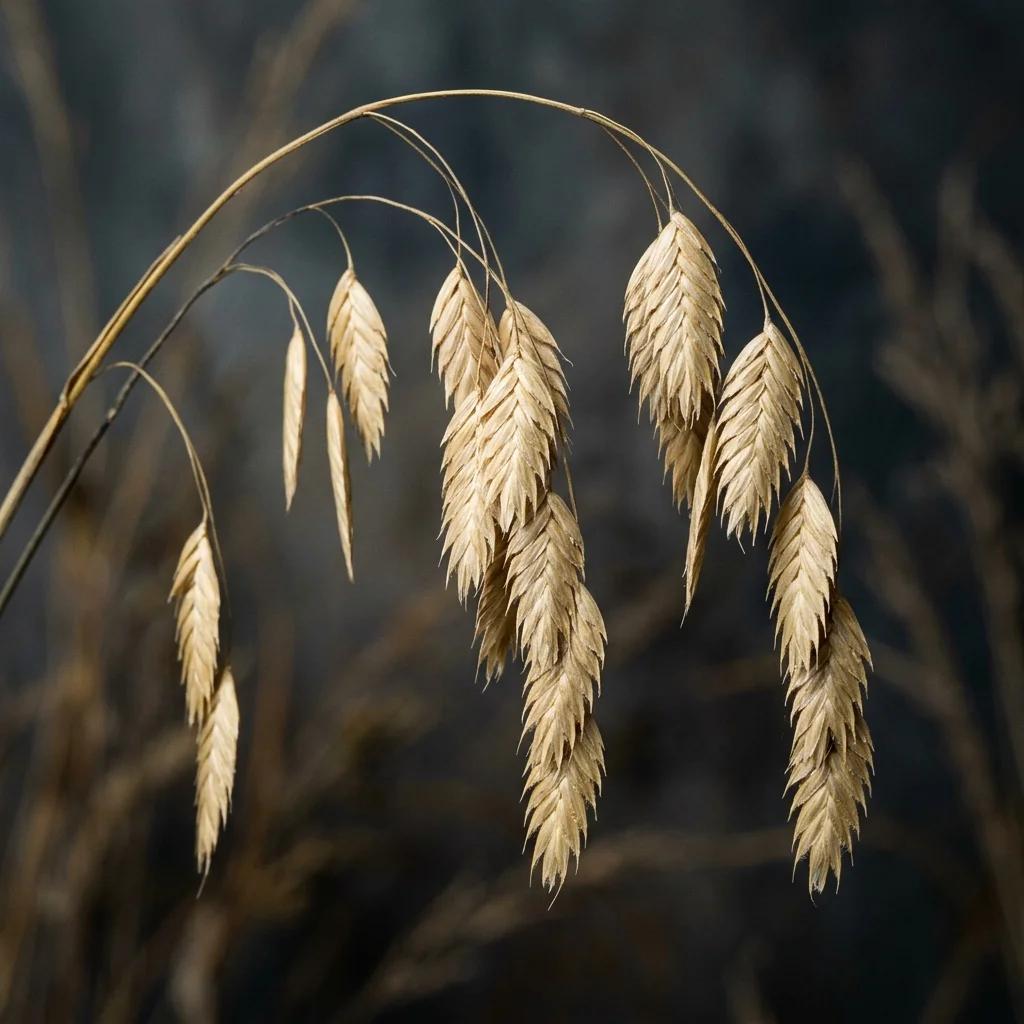
How to Identify Sea Oats
Sea Oats (Uniola paniculata) is a remarkable botanical species widely appreciated for its unique aesthetic and structural appeal. Recognizing its definitive visual traits is key to distinguishing it from other similar plants.
-
✔
Key Visual Features: Key Visual Features: Robust upright culms with swollen joint nodes, ending in dense ornamental flower spikes or rippling grain heads.
-
✔
Color Variations: Color Variations: Bright green foliage during spring growth, turning into warm amber, straw-yellow, or bronze seed heads as they mature.
-
✔
Common Confusions: Common Confusions: Resembles lawn turf when young, but easily recognized at maturity by wide leaves, coarse stems, and heavy seed panicles.
Complete Care & Cultivation Guide
Follow our detailed scientific care guide to keep your Sea Oats thriving and gorgeous all year round.
Common Diseases & Treatment
Root Rot (Overwatering)
Symptoms: Leaves turn soft and yellow at the base, shrivel and drop prematurely, accompanied by a mushy root system and foul soil odor.
Powdery Mildew
Symptoms: A dusty white or gray powdery coating spreads across the broad leaves, causing distorted growth in stagnant rooms.
Frequently Asked Questions
Why is it illegal to pick Sea Oats?
Sea Oats (Uniola paniculata) is legally protected by law in many coastal states because it is the primary ecological anchor of sand dunes. Picking the seed heads or destroying the plants destabilizes the dunes, causing severe wind and wave erosion.
Can Sea Oats tolerate direct saltwater spray?
Yes! Sea Oats is highly adapted to shoreline environments. It has a specialized thick, waxy leaf cuticle that prevents moisture loss and protects the foliage from direct, salty sea breezes and temporary wave immersion.
How deep do the roots of Sea Oats grow?
The roots of Sea Oats can penetrate up to 10 to 15 feet deep into shifting sand, accompanied by a massive horizontal network of creeping rhizomes that trap blowing sand, raising the height of the dunes.
Is Sea Oats safe for domestic pets?
Yes. Uniola paniculata is completely non-toxic and highly safe for all dogs, cats, and domestic animals, making it exceptionally reliable for seaside residential properties.