Sand Dropseed Care & Identification Guide
Sand Dropseed is an exceptionally hardy, highly drought-resistant native bunchgrass, prized for its slender stems with highly characteristic dense tufts of white hairs at the leaf sheath collar and tiny dropping grains. It is the premier choice for dry sand dunes restoration.





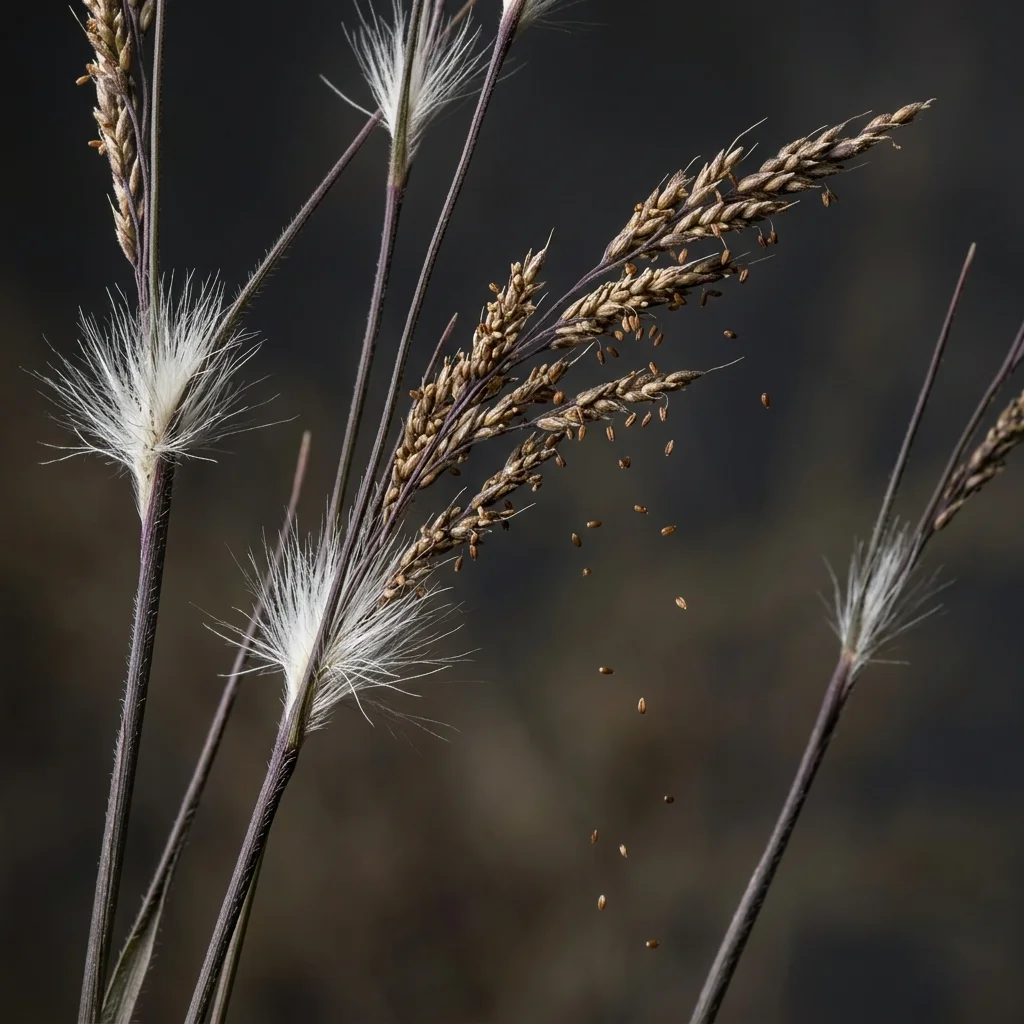
How to Identify Sand Dropseed
Sand Dropseed (Sporobolus cryptandrus) is a remarkable botanical species widely appreciated for its unique aesthetic and structural appeal. Recognizing its definitive visual traits is key to distinguishing it from other similar plants.
-
✔
Key Visual Features: Key Visual Features: Dense arching clumps of narrow linear foliage, topped in summer by feathery, bottle-brush, or metallic flower panicles.
-
✔
Color Variations: Color Variations: Blue-grey blades, warm golden stripes, pink-flushed panicles, or waxy emerald foliage.
-
✔
Common Confusions: Common Confusions: Resembles wild lawn weeds when small, but recognized by their tight, neat clumping growth and showy tall flower spikes.
Complete Care & Cultivation Guide
Follow our detailed scientific care guide to keep your Sand Dropseed thriving and gorgeous all year round.
Common Diseases & Treatment
Root Rot (Overwatering)
Symptoms: Leaves turn soft and yellow at the base, shrivel and drop prematurely, accompanied by a mushy root system and foul soil odor.
Foliage Rust
Symptoms: Small powdery orange or brown pustules appear on the linear leaves under humid, poorly ventilated indoor conditions.
Frequently Asked Questions
What is the 'white-haired collar' on Sand Dropseed?
A key botanical identification feature of Sporobolus cryptandrus is the dense, highly visible ring of long, soft white hairs at the collar (junction of leaf blade and sheath), which looks like a tiny white band.
Why is this grass named 'Dropseed'?
The common name comes from its seed dispersal habit. The tiny grains mature inside the sheath and are easily dropped (shed) onto the sand at the slightest wind, rapidly seeding new plants.
Does Sand Dropseed grow in wet boggy soils?
No. Sand Dropseed is genetically specialized for dry, arid sand dunes and sandy plains. Saturated or poorly draining soils will rapidly rot its deep root system.
Is Sand Dropseed safe for domestic pets?
Yes! Sporobolus cryptandrus is completely non-toxic and highly safe for all dogs, cats, and domestic pets, making it exceptionally reliable for dry residential properties.