Ravenna Grass Care & Identification Guide
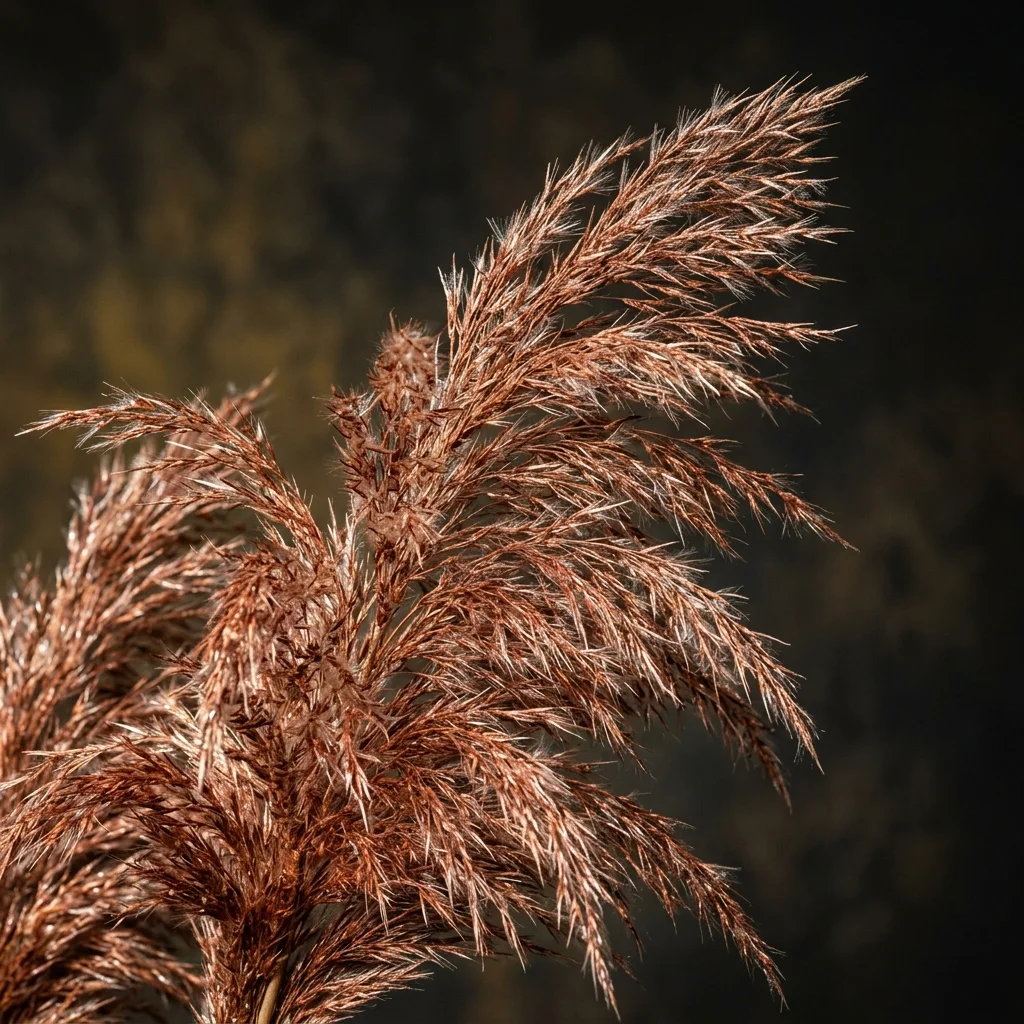
Ravenna Grass, also known as Plume Grass or Northern Pampas Grass, is a massive, highly dramatic warm-season grass. It is celebrated for its towering, feather-like metallic-copper and reddish plumes that reflect silvery glints in late autumn. Reaching heights of 10 to 12 feet, it serves as an exceptionally cold-hardy alternative to Pampas Grass for northern climates.





How to Identify Ravenna Grass
Ravenna Grass (Saccharum ravennae) is a remarkable botanical species widely appreciated for its unique aesthetic and structural appeal. Recognizing its definitive visual traits is key to distinguishing it from other similar plants.
-
✔
Key Visual Features: Key Visual Features: Robust upright culms with swollen joint nodes, ending in dense ornamental flower spikes or rippling grain heads.
-
✔
Color Variations: Color Variations: Bright green foliage during spring growth, turning into warm amber, straw-yellow, or bronze seed heads as they mature.
-
✔
Common Confusions: Common Confusions: Resembles lawn turf when young, but easily recognized at maturity by wide leaves, coarse stems, and heavy seed panicles.
Complete Care & Cultivation Guide
Follow our detailed scientific care guide to keep your Ravenna Grass thriving and gorgeous all year round.
Common Diseases & Treatment
Root Rot (Overwatering)
Symptoms: Leaves turn soft and yellow at the base, shrivel and drop prematurely, accompanied by a mushy root system and foul soil odor.
Powdery Mildew
Symptoms: A dusty white or gray powdery coating spreads across the broad leaves, causing distorted growth in stagnant rooms.
Frequently Asked Questions
Is Ravenna Grass considered invasive in the United States?
Yes, Saccharum ravennae has been classified as an invasive species in several western states, including Utah, Arizona, and California. Because it produces thousands of lightweight, wind-dispersed seeds, it rapidly colonizes sandy riparian areas and washes, outcompeting native vegetation. Check local regulations before planting.
Why are the leaves of my Ravenna Grass turning brown in summer?
Summer browning of the lower leaves is often a natural response to extreme heat and dry air, or it can indicate poor soil drainage. Ensure the soil drains rapidly. If the soil is waterlogged, the roots will suffocate, causing the foliage to turn brown from the bottom up.
How cold-hardy is Ravenna Grass compared to Pampas Grass?
Ravenna Grass is significantly hardier than Pampas Grass. While Pampas Grass (Cortaderia) struggle in temperatures below 0°F (USDA Zone 7), Ravenna Grass easily tolerates temperatures down to -30°F (USDA Zone 4), making it the go-to giant plume grass for the cold American North.
Can I grow Ravenna Grass in wet soil?
No, it strongly prefers well-drained, sandy, or gravelly soils. Planting it in constantly wet or clay soils leads to crown rot and fungal diseases. If you need a giant grass for wet areas, consider Giant Miscanthus instead.