Papyrus Care & Identification Guide
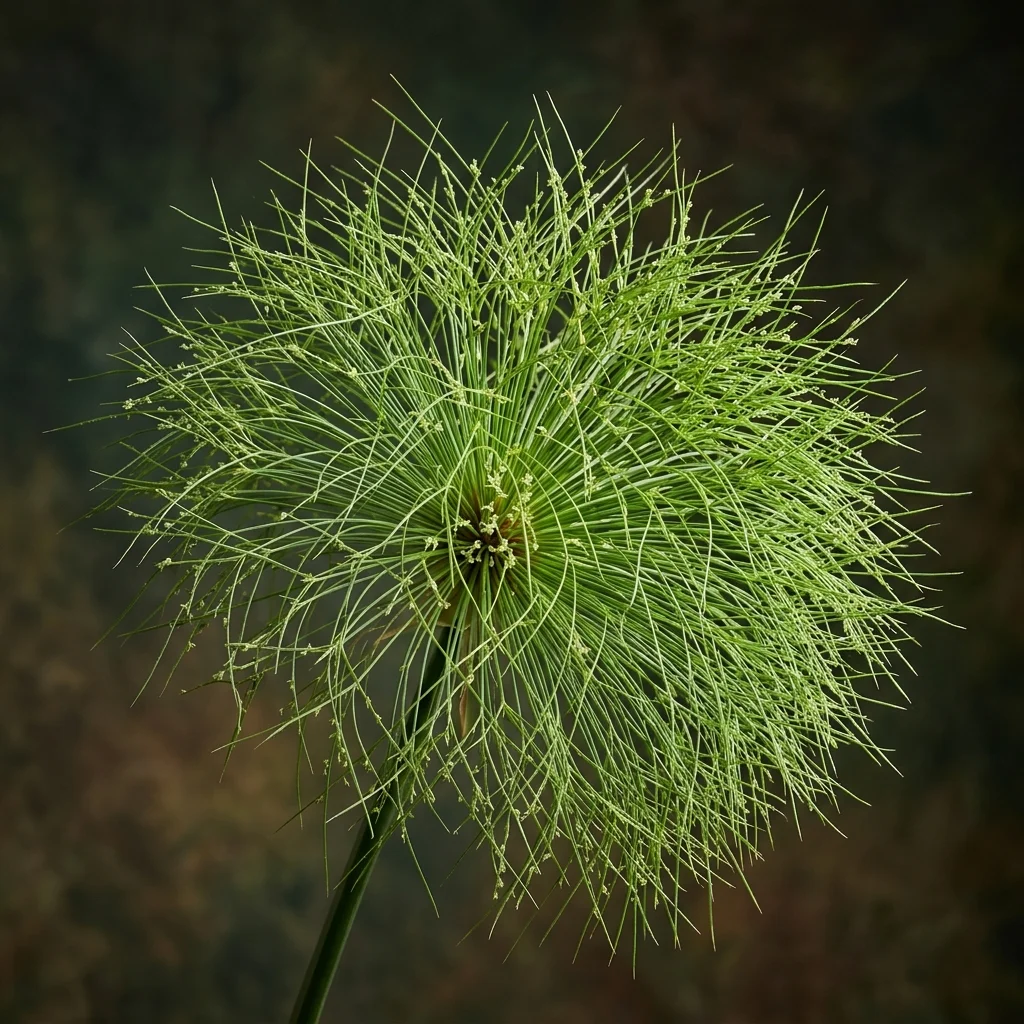
Papyrus is a magnificent, towering aquatic perennial sedge, celebrated for its massive, dense globular clusters of hundreds of ultra-fine, thread-like bright green flower rays that spread outward like a feather duster. Historically famous as the writing material of Ancient Egypt, it brings unmatched tropical scale, architectural drama, and history to large water features and ponds.




How to Identify Papyrus
Papyrus (Cyperus papyrus) is a remarkable botanical species widely appreciated for its unique aesthetic and structural appeal. Recognizing its definitive visual traits is key to distinguishing it from other similar plants.
-
✔
Key Visual Features: Key Visual Features: Stiff, solid triangular or round vertical stems rising in graceful clumps directly from strong underground rhizomes.
-
✔
Color Variations: Color Variations: Vivid emerald greens, chartreuse, rich bronze, or cream-striped blades depending on the potted cultivar.
-
✔
Common Confusions: Common Confusions: Often mistaken for true ornamental grasses, but easily distinguished in pots by their solid stems and three-ranked foliage arrangement.
Complete Care & Cultivation Guide
Follow our detailed scientific care guide to keep your Papyrus thriving and gorgeous all year round.
Common Diseases & Treatment
Root Rot (Overwatering)
Symptoms: Leaves turn soft and yellow at the base, shrivel and drop prematurely, accompanied by a mushy root system and foul soil odor.
Foliage Rust
Symptoms: Small powdery orange or brown pustules appear on the linear leaves under humid, poorly ventilated indoor conditions.
Frequently Asked Questions
How did ancient Egyptians make paper from this plant?
They harvested the green stalks, peeled off the hard outer skin, and sliced the white, sponge-like inner pith into thin, flat strips. They laid these strips in overlapping horizontal and vertical layers, pressed them flat to squeeze out the sticky sap, and dried them to form durable papyrus sheets.
Is Cyperus papyrus cold-hardy?
No, it is a tropical plant that is only hardy in USDA Zones 9 through 11. It will suffer severe damage if temperatures drop below 35°F (2°C). In cold climates, grow it in containers and move them into a warm greenhouse or indoor room before the first frost.
Why are the giant feather-duster heads of my Papyrus snapping and falling over?
Snapping is typically caused by strong wind gusts combined with weak stems. Cyperus papyrus requires full sun to develop the strong cell walls that keep its massive stalks erect. If grown in shade, the stems become weak and easily collapse under wind or rain.
Can I grow Papyrus in a regular garden bed?
Only if the soil is kept constantly waterlogged or boggy. Papyrus is an obligate wetland plant; if the soil dries out even briefly, the foliage will turn brown, wither, and die. It performs best in ponds, bog gardens, or wet mudbeds.