Pampas Grass Care & Identification Guide
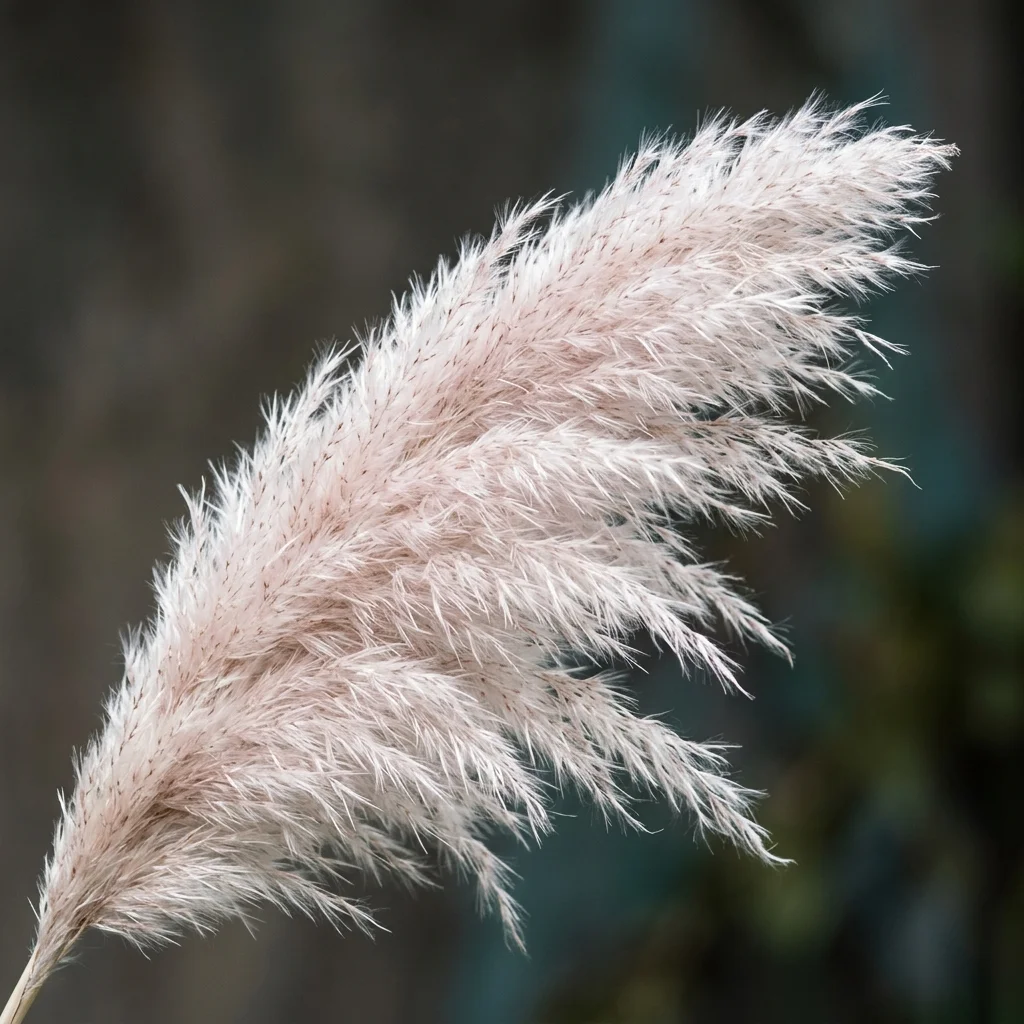
Pampas Grass is the undisputed titan of ornamental grasses, famous for its towering, exceptionally soft, feather-like white and pale pink silky plumelets. Originating from the South American grasslands, this warm-season evergreen clumper serves as a massive focal point or privacy screen in spacious landscapes. The plant exhibits highly distinct dioecious characteristics, with female specimens producing far more voluminous and ornamental plumes wrapped in long, shimmering silky awns than their male counterparts.




How to Identify Pampas Grass
Pampas Grass (Cortaderia selloana) is a remarkable botanical species widely appreciated for its unique aesthetic and structural appeal. Recognizing its definitive visual traits is key to distinguishing it from other similar plants.
-
✔
Key Visual Features: Key Visual Features: Dense arching clumps of narrow linear foliage, topped in summer by feathery, bottle-brush, or metallic flower panicles.
-
✔
Color Variations: Color Variations: Blue-grey blades, warm golden stripes, pink-flushed panicles, or waxy emerald foliage.
-
✔
Common Confusions: Common Confusions: Resembles wild lawn weeds when small, but recognized by their tight, neat clumping growth and showy tall flower spikes.
Complete Care & Cultivation Guide
Follow our detailed scientific care guide to keep your Pampas Grass thriving and gorgeous all year round.
Common Diseases & Treatment
Root Rot (Overwatering)
Symptoms: Leaves turn soft and yellow at the base, shrivel and drop prematurely, accompanied by a mushy root system and foul soil odor.
Foliage Rust
Symptoms: Small powdery orange or brown pustules appear on the linear leaves under humid, poorly ventilated indoor conditions.
Frequently Asked Questions
Why is my Pampas Grass not producing its signature feather plumes?
Plume failure is almost always caused by insufficient sunlight or premature pruning. Pampas Grass requires at least 6 hours of full, unobstructed sun to trigger flowering. Additionally, if the plant was divided recently, it may take 1 to 2 seasons to rebuild the carbohydrate reserves needed to push out massive flower spikes.
How do I safely prune Pampas Grass without getting cut?
Due to the razor-sharp serrated margins of the leaves, safety is paramount. Always wear heavy leather gloves, long sleeves, and safety goggles. A highly efficient professional hack is to tie the entire grass clump tightly with bungee cords or duct tape first, then use a gas-powered hedge trimmer or chainsaw to cut the bundle clean off at 12 inches above the ground in late winter.
Is Pampas Grass considered invasive in coastal areas?
Yes. Cortaderia selloana is classified as a highly invasive weed in California, Hawaii, and parts of Australia. Because a single female plume can release up to 100,000 wind-dispersed seeds, it rapidly colonizes native coastal dunes and displaces local flora. In these sensitive eco-regions, gardeners are strongly urged to plant sterile dwarf cultivars or native grasses like Leymus.
How do I distinguish between male and female Pampas Grass plants?
Female plants are highly prized because their plumes are dense, broad, and covered in soft, hair-like silky awns that catch the light beautifully. Male plumes are narrow, sparse, and lack these hairs, making them appear dull and prone to shedding. Most commercial nurseries propagate exclusively via vegetative division of confirmed female cultivars.