Little Bluestem Care & Identification Guide
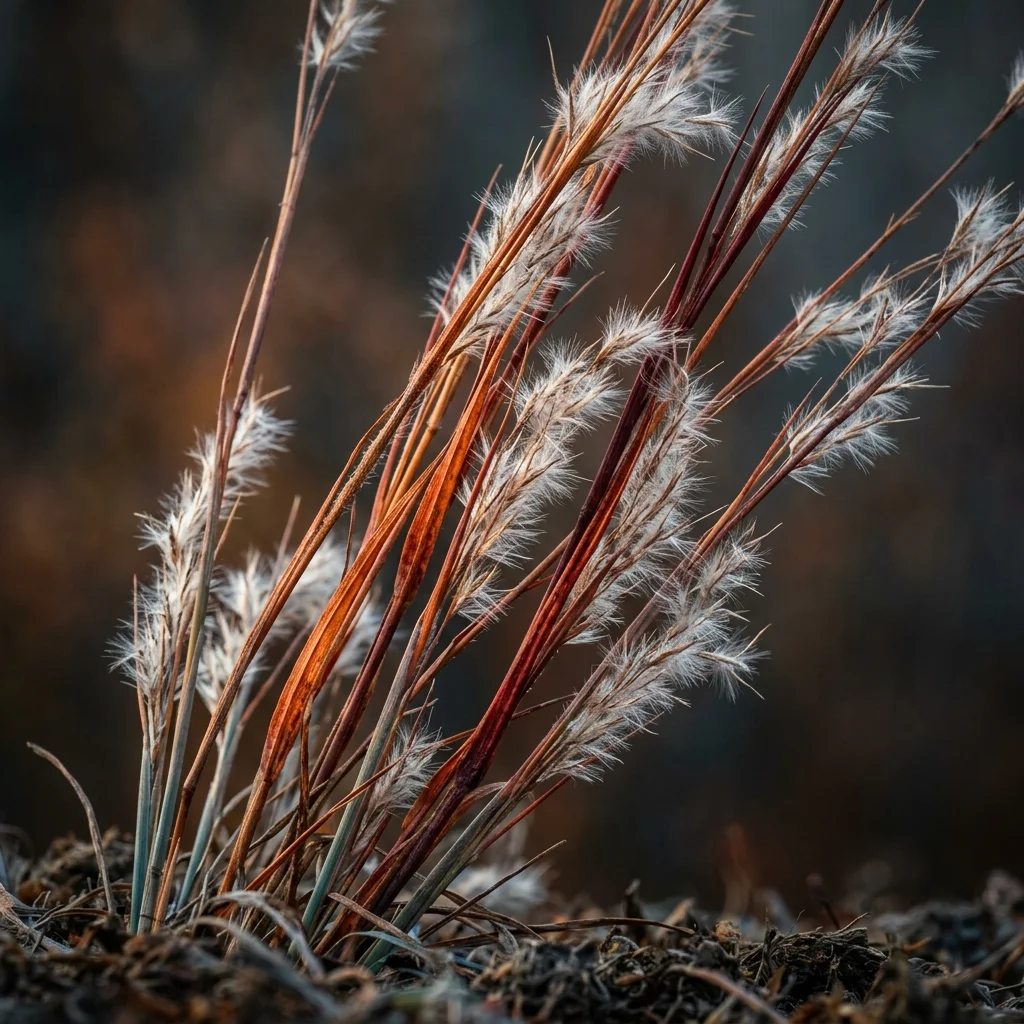
Little Bluestem is a premier, highly colorful native North American prairie grass, celebrated for its upright blue-green summer foliage that transitions into an exceptionally brilliant copper-orange and mahogany-crimson color in autumn, topped by fluffy silvery-white seed heads that glisten in winter.





How to Identify Little Bluestem
Little Bluestem (Schizachyrium scoparium) is a remarkable botanical species widely appreciated for its unique aesthetic and structural appeal. Recognizing its definitive visual traits is key to distinguishing it from other similar plants.
-
✔
Key Visual Features: Key Visual Features: Dense arching clumps of narrow linear foliage, topped in summer by feathery, bottle-brush, or metallic flower panicles.
-
✔
Color Variations: Color Variations: Blue-grey blades, warm golden stripes, pink-flushed panicles, or waxy emerald foliage.
-
✔
Common Confusions: Common Confusions: Resembles wild lawn weeds when small, but recognized by their tight, neat clumping growth and showy tall flower spikes.
Complete Care & Cultivation Guide
Follow our detailed scientific care guide to keep your Little Bluestem thriving and gorgeous all year round.
Common Diseases & Treatment
Root Rot (Overwatering)
Symptoms: Leaves turn soft and yellow at the base, shrivel and drop prematurely, accompanied by a mushy root system and foul soil odor.
Foliage Rust
Symptoms: Small powdery orange or brown pustules appear on the linear leaves under humid, poorly ventilated indoor conditions.
Frequently Asked Questions
Why is my Little Bluestem flopping over and losing its vertical shape?
Flopping is almost always caused by too much moisture, excessive fertilizer, or highly rich organic soil. Schizachyrium scoparium is naturally adapted to dry, poor, nutrient-deficient soils. In rich soils, it grows too quickly and develops weak, lazy stems. Plant it in a poor, gravelly, or sandy full-sun spot to keep it rigid.
When is the best time to prune Little Bluestem?
Prune the entire clump back to about 2 to 3 inches in late winter or early spring, just before the fresh new spring growth begins to sprout. The dried bronze winter stems provide beautiful structure and bird seed, so it is best to leave them standing throughout the cold winter months.
How drought-hardy is Schizachyrium scoparium?
Extremely drought-hardy. Once mature, its roots penetrate up to 8 feet deep into the ground, allowing it to withstand severe, prolonged summer droughts without any supplemental watering, making it a premier xeriscape choice.
Does Little Bluestem spread invasively via runners?
No. Little Bluestem is a strictly clump-forming (cespitose) grass that expands outward slowly from a central crown. It does not run aggressively or crowd out neighboring plants, making it highly safe for formal borders.