Indian Grass Care & Identification Guide
Indian Grass is a magnificent, towering native North American prairie grass, celebrated for its shimmering metallic golden-bronze feather-like panicles accented by bright yellow dangling pollen sacs. Reaching 3 to 6 feet, it serves as a robust backbone for dry borders and prairie restoration.





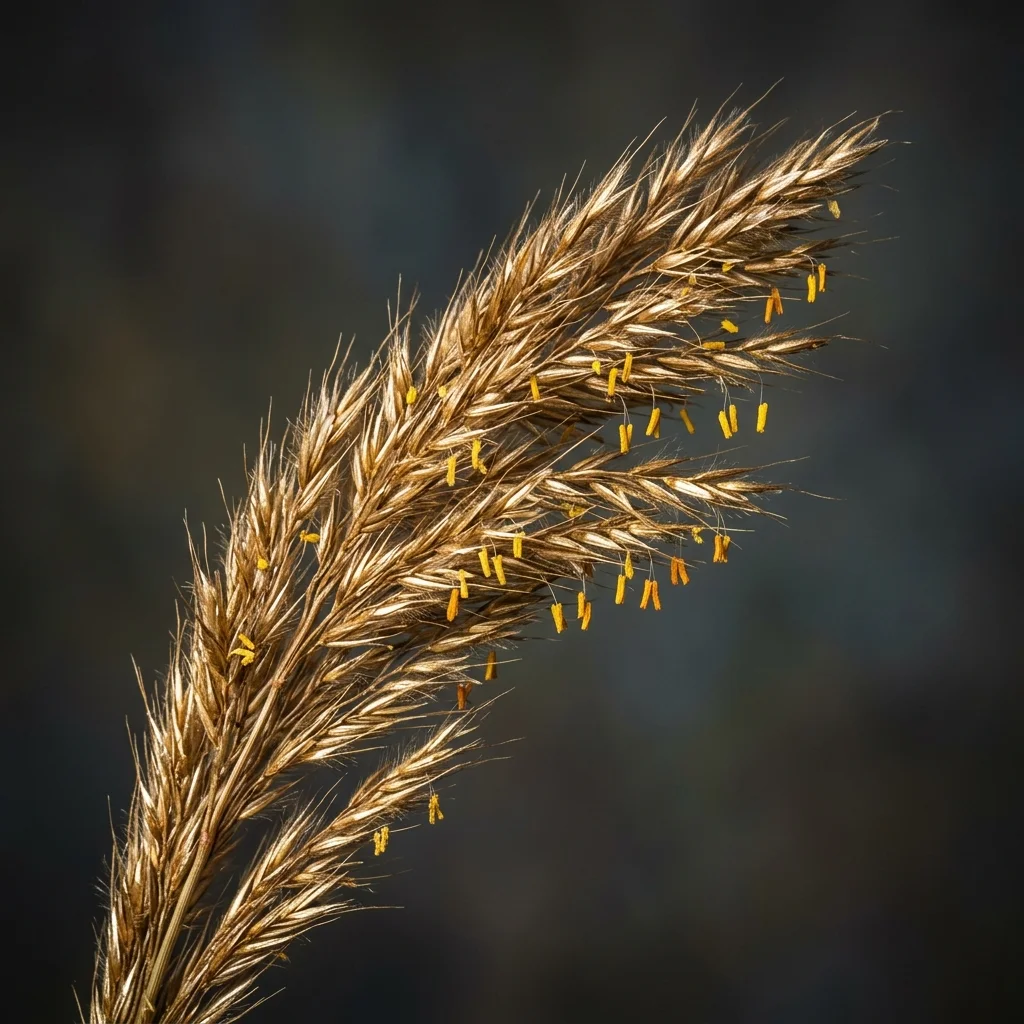
How to Identify Indian Grass
Indian Grass (Sorghastrum nutans) is a remarkable botanical species widely appreciated for its unique aesthetic and structural appeal. Recognizing its definitive visual traits is key to distinguishing it from other similar plants.
-
✔
Key Visual Features: Key Visual Features: Dense arching clumps of narrow linear foliage, topped in summer by feathery, bottle-brush, or metallic flower panicles.
-
✔
Color Variations: Color Variations: Blue-grey blades, warm golden stripes, pink-flushed panicles, or waxy emerald foliage.
-
✔
Common Confusions: Common Confusions: Resembles wild lawn weeds when small, but recognized by their tight, neat clumping growth and showy tall flower spikes.
Complete Care & Cultivation Guide
Follow our detailed scientific care guide to keep your Indian Grass thriving and gorgeous all year round.
Common Diseases & Treatment
Root Rot (Overwatering)
Symptoms: Leaves turn soft and yellow at the base, shrivel and drop prematurely, accompanied by a mushy root system and foul soil odor.
Foliage Rust
Symptoms: Small powdery orange or brown pustules appear on the linear leaves under humid, poorly ventilated indoor conditions.
Frequently Asked Questions
Why is Indian Grass considered a key species for prairie restoration?
Sorghastrum nutans was one of the 'Big Four' grasses that dominated the native North American Tallgrass Prairie. Its deep, dense root systems stabilize soil, filter water runoffs, sequester carbon, and provide essential food and winter nesting cover for native birds and beneficial insects.
How tall does Sorghastrum nutans grow?
The blue-green foliage clump reaches a height of about 2 to 3 feet. However, in late summer, the strong flowering stalks shoot up to 5 to 6 feet, making it an excellent, tall structural backdrop for the rear of garden borders.
Can Indian Grass tolerate heavy, dry clay soil?
Yes! Indian Grass is highly adaptable and performs exceptionally well in heavy, compacted, and dry clay soils that would choke out less resilient plants, making it a great choice for stabilizing clay slopes.
Is Indian Grass toxic to pets?
No, Sorghastrum nutans is completely non-toxic and safe for dogs, cats, horses, and livestock, making it highly suitable for residential yards and agricultural pastures.