Feather Reed Grass Care & Identification Guide
Feather Reed Grass 'Karl Foerster' is the legendary structural backbone of modern naturalistic garden design. This cool-season ornamental clumper is celebrated for its strictly vertical, golden-bronze narrow wheat-like plumes that arise in early summer. Known as a sterile hybrid, it produces no viable seeds, making it a highly reliable and non-invasive architectural element that remains rigidly upright through heavy rain and winter snow.





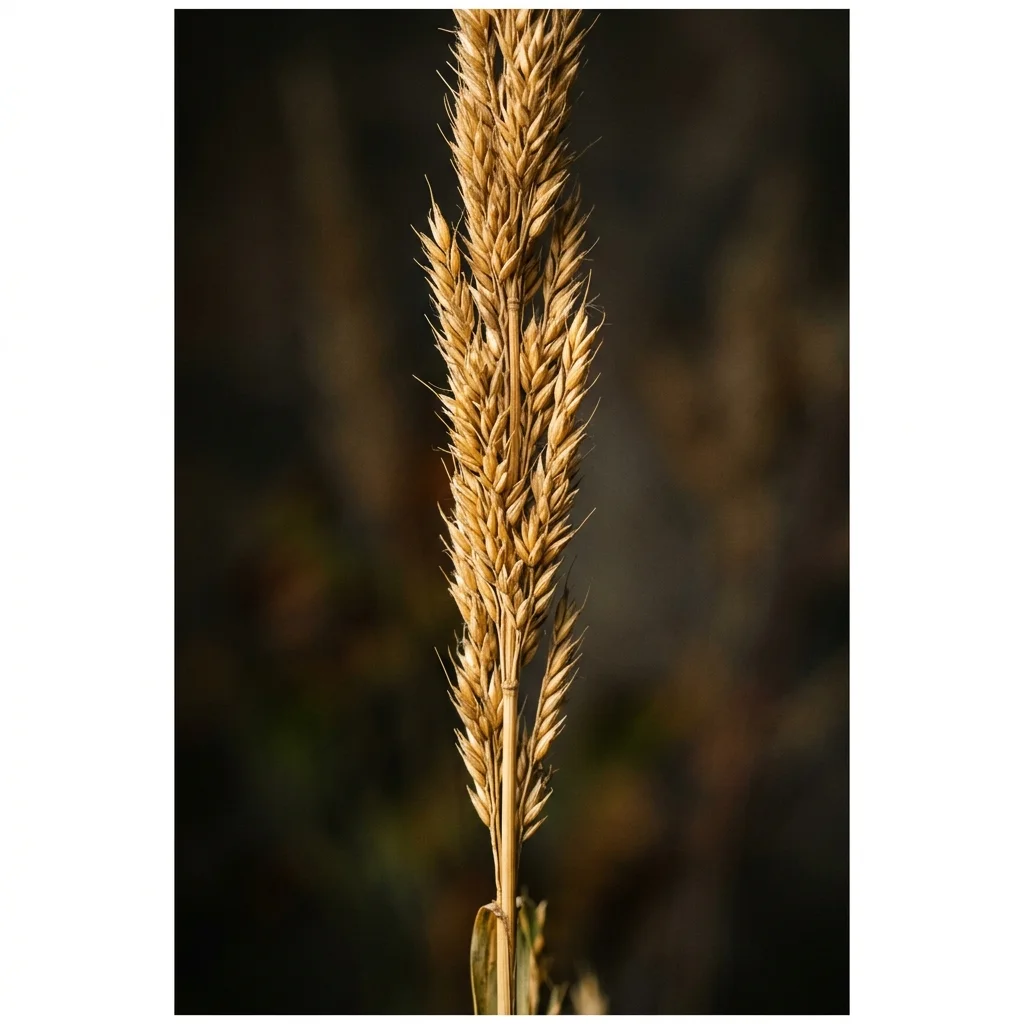
How to Identify Feather Reed Grass
Feather Reed Grass (Calamagrostis x acutiflora 'Karl Foerster') is a remarkable botanical species widely appreciated for its unique aesthetic and structural appeal. Recognizing its definitive visual traits is key to distinguishing it from other similar plants.
-
✔
Key Visual Features: Key Visual Features: Towering culms with wooden nodes and dry leaf sheaths, producing clusters of elegant drooping narrow leaves.
-
✔
Color Variations: Color Variations: Solid forest green, lemon-yellow canes with dark pinstripes, or beautifully variegated green-and-white foliage.
-
✔
Common Confusions: Common Confusions: Reeds can resemble running bamboo, but can be distinguished by their soft herbaceous canes that do not turn fully into wood.
Complete Care & Cultivation Guide
Follow our detailed scientific care guide to keep your Feather Reed Grass thriving and gorgeous all year round.
Common Diseases & Treatment
Root Rot (Overwatering)
Symptoms: Leaves turn soft and yellow at the base, shrivel and drop prematurely, accompanied by a mushy root system and foul soil odor.
Powdery Mildew
Symptoms: A dusty white or gray powdery coating spreads across the broad leaves, causing distorted growth in stagnant rooms.
Frequently Asked Questions
Why is my 'Karl Foerster' grass flopping over instead of staying vertical?
Flopping is typically caused by too much shade or excessive high-nitrogen fertilization. Calamagrostis requires full sun to develop the rigid cell walls in its culms that keep it upright. Excessive nitrogen fertilizer promotes weak, sappy growth that easily collapses under wind or rain.
Does Feather Reed Grass spread aggressively via roots?
No. 'Karl Foerster' is a strictly clump-forming (cespitose) grass that slowly expands its crown. It does not possess aggressive running rhizomes and will not invade neighboring beds. Additionally, because its seeds are 100% sterile, it will never self-sow.
When is the best time to divide Feather Reed Grass?
Because it is a cool-season grass, the absolute best time to divide it is in early spring or early autumn when the plant is actively growing and root establishment is rapid. Avoid dividing in the heat of mid-summer, which induces severe transplant shock.
Can I grow Calamagrostis in a container?
Yes! Its strictly vertical, fountain-like narrow habit makes it a spectacular container plant, often used as a 'thriller' in modern mixed containers. Ensure the pot has excellent drainage and water regularly, as containers dry out much faster than garden beds.