Einkorn Wheat Care & Identification Guide
Einkorn Wheat is an incredibly legendary, historically vital ancient diploid perennial wheat, globally famous as the very first domesticated wheat species in human history. It is a premier, ultra-resilient pioneer cereal holding the original genetic blueprint of agriculture.



How to Identify Einkorn Wheat
Einkorn Wheat (Triticum monococcum) is a remarkable botanical species widely appreciated for its unique aesthetic and structural appeal. Recognizing its definitive visual traits is key to distinguishing it from other similar plants.
-
✔
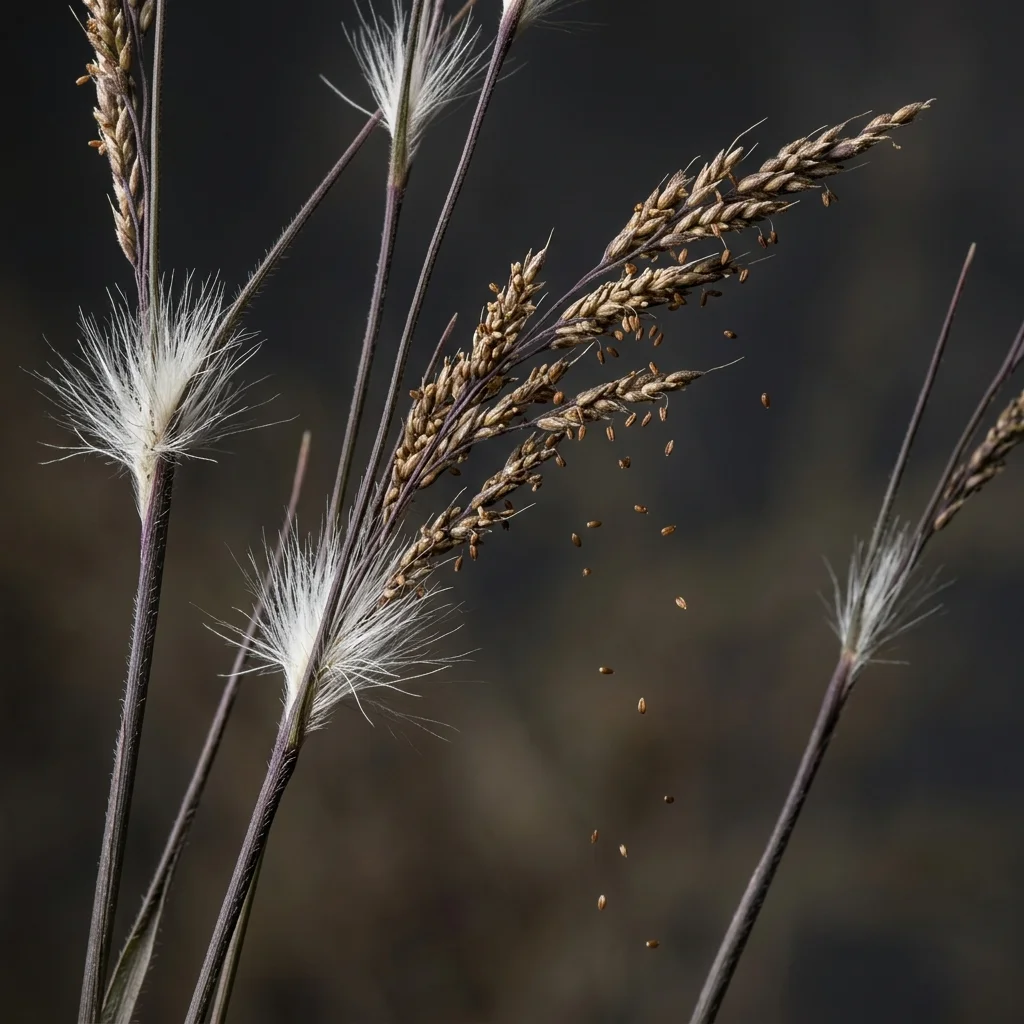
Key Visual Features: Key Visual Features: Robust upright culms with swollen joint nodes, ending in dense ornamental flower spikes or rippling grain heads.
-
✔
Color Variations: Color Variations: Bright green foliage during spring growth, turning into warm amber, straw-yellow, or bronze seed heads as they mature.
-
✔
Common Confusions: Common Confusions: Resembles lawn turf when young, but easily recognized at maturity by wide leaves, coarse stems, and heavy seed panicles.
Complete Care & Cultivation Guide
Follow our detailed scientific care guide to keep your Einkorn Wheat thriving and gorgeous all year round.
Common Diseases & Treatment
Root Rot (Overwatering)
Symptoms: Leaves turn soft and yellow at the base, shrivel and drop prematurely, accompanied by a mushy root system and foul soil odor.
Powdery Mildew
Symptoms: A dusty white or gray powdery coating spreads across the broad leaves, causing distorted growth in stagnant rooms.
Frequently Asked Questions
Why is it called Einkorn Wheat?
The name 'Einkorn' is German for 'single grain', describing its unique botanical structure where each spikelet contains only one single, highly nutritious seed.
How does Einkorn gluten compare to modern wheat?
Because it has a simple 14-chromosome diploid structure, Einkorn's gluten lacks the D-chromosome group found in modern hybrid wheat, making its gluten highly soluble and far easier to digest for many people.
Can Einkorn Wheat survive in freezing cold climates?
Yes! Triticum monococcum has absolute cold hardiness, easily surviving extreme winter temperatures and high subalpine winds under snow cover.
Is Einkorn Wheat toxic to cats and dogs?
No, Einkorn is completely non-toxic and highly safe for all domestic pets.