Cordgrass Care & Identification Guide
Cordgrass, also known as Common Cordgrass, is an exceptionally robust, highly vigorous marine pioneer grass, prized for its tough upright stems and broad olive-yellow leaves that grow in tidal mud flats. It is the premier choice for coastal reclamation and mud stabilizing.




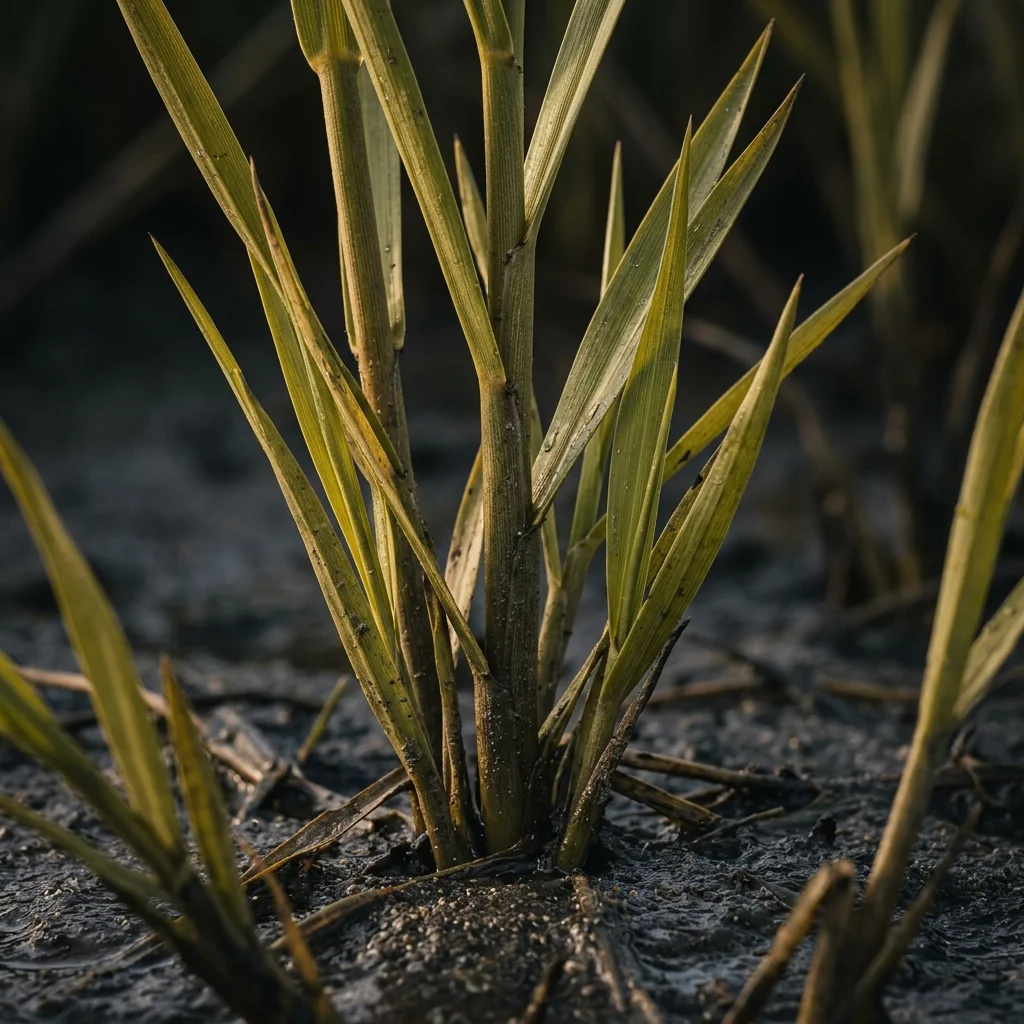
How to Identify Cordgrass
Cordgrass (Spartina anglica) is a remarkable botanical species widely appreciated for its unique aesthetic and structural appeal. Recognizing its definitive visual traits is key to distinguishing it from other similar plants.
-
✔
Key Visual Features: Key Visual Features: Dense arching clumps of narrow linear foliage, topped in summer by feathery, bottle-brush, or metallic flower panicles.
-
✔
Color Variations: Color Variations: Blue-grey blades, warm golden stripes, pink-flushed panicles, or waxy emerald foliage.
-
✔
Common Confusions: Common Confusions: Resembles wild lawn weeds when small, but recognized by their tight, neat clumping growth and showy tall flower spikes.
Complete Care & Cultivation Guide
Follow our detailed scientific care guide to keep your Cordgrass thriving and gorgeous all year round.
Common Diseases & Treatment
Root Rot (Overwatering)
Symptoms: Leaves turn soft and yellow at the base, shrivel and drop prematurely, accompanied by a mushy root system and foul soil odor.
Foliage Rust
Symptoms: Small powdery orange or brown pustules appear on the linear leaves under humid, poorly ventilated indoor conditions.
Frequently Asked Questions
Can Cordgrass grow in daily flooded tidal mud?
Yes! Spartina anglica is a highly specialized marine pioneer grass. It has unique air-carrying tissues (aerenchyma) in its stems that transport oxygen down to the roots, allowing it to thrive in daily flooded tidal mud.
How does Cordgrass reclaim land from the sea?
Its dense upright stems filter and trap wind-blown sand and water-borne silt. Over time, the trapped sediment accumulates, raising the soil level and turning soft tidal mud into stable, dry coastal land.
Is Cordgrass invasive in some areas?
Yes, because of its exceptionally high vigor and rapid spread, Spartina anglica is highly invasive in some non-native mudflats. It should only be planted in areas where it is native or for planned coastal engineering.
Is Cordgrass toxic to cats or dogs?
No, Spartina anglica is completely non-toxic and highly safe for all dogs, cats, and domestic pets, making it exceptionally reliable for seaside and farm pond edges.