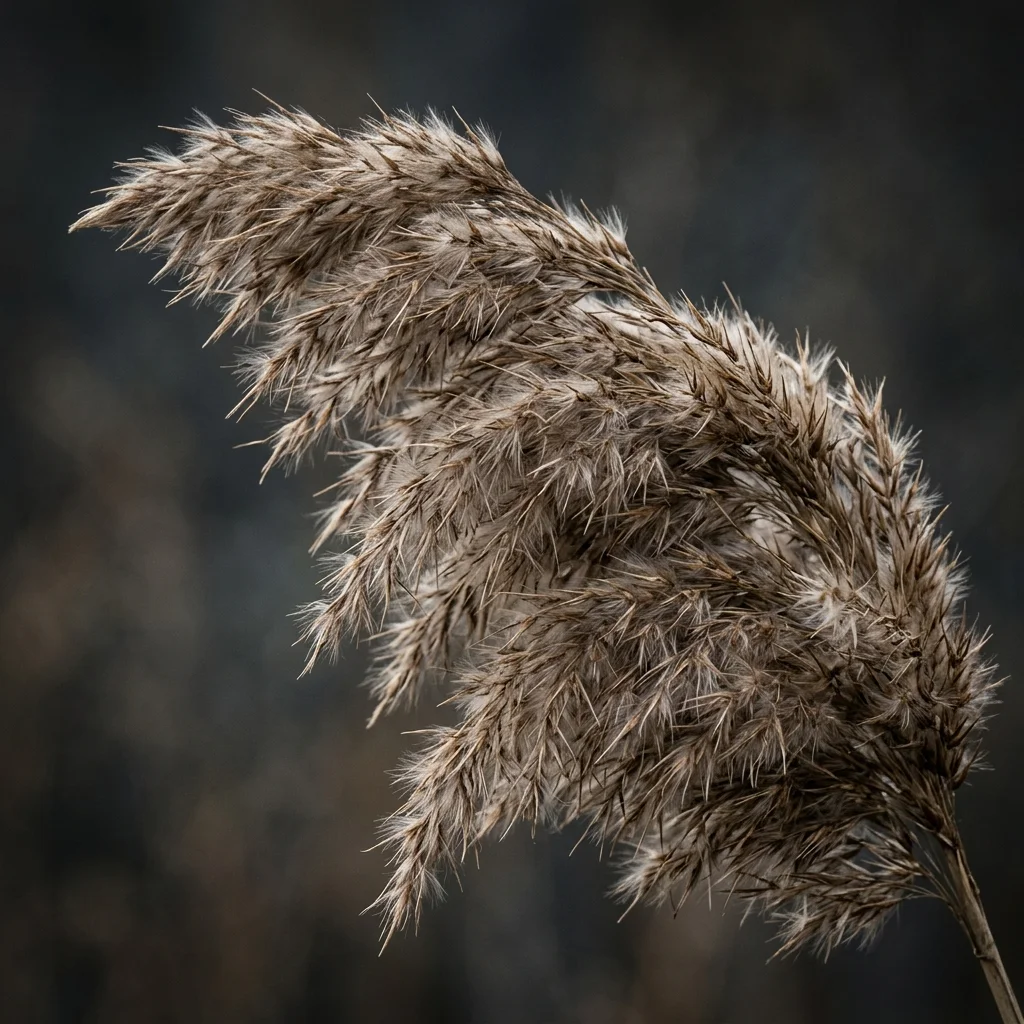
Phragmites australis

Common Reed Care & Identification Guide

Common Reed is a massive, incredibly robust warm-season wetland grass, celebrated for its towering stalks topped by massive, billowing gray-brown feather-like fluffy plumes. Thriving in shallow marshes, it serves as a highly dominant shoreline stabilizer that creates dense habitats along rivers and lakes.


Sunlight Icon
Sunlight Full Sun (6 to 8 hours of direct intense daily sunlight to sustain tall towering culms).
Watering Icon
Watering High; loves wet marshes and tolerates brackish and salty water.
Soil Mix Icon
Soil Mix Wet mud, adaptable to clay, silt, and sand. Dislikes dry upland soil.
Temperature Icon
Temperature 15°C - 25°C
Toxicity Warning Icon
Toxicity Non-toxic to pets; safe for dogs and cats.
Botanical macro photography of Common Reed (Phragmites australis) - Plant AI care database

How to Identify Common Reed

Common Reed (Phragmites australis) is a remarkable botanical species widely appreciated for its unique aesthetic and structural appeal. Recognizing its definitive visual traits is key to distinguishing it from other similar plants.

  • Key Visual Features: Key Visual Features: Towering culms with wooden nodes and dry leaf sheaths, producing clusters of elegant drooping narrow leaves.
  • Color Variations: Color Variations: Solid forest green, lemon-yellow canes with dark pinstripes, or beautifully variegated green-and-white foliage.
  • Common Confusions: Common Confusions: Reeds can resemble running bamboo, but can be distinguished by their soft herbaceous canes that do not turn fully into wood.
💡 Plant AI Tip: Not sure? Take a photo with Plant AI to identify your houseplants instantly.

Complete Care & Cultivation Guide

Follow our detailed scientific care guide to keep your Common Reed thriving and gorgeous all year round.

Requires a high-volume, deep watering schedule to support their aggressive indoor growth. Water twice a week during the active spring shooting season. Keep the soil consistently moist but never waterlogged or soggy in the bottom of the pot.
Prune in spring by cutting old, weak, or yellowing culms off at the soil level to encourage new green shoots. Wipe the flat lanceolate leaves with a soft damp cloth to clear dust and maintain waxy green brightness.
A heavy feeder due to rapid indoor growth. Apply a high-nitrogen liquid houseplant fertilizer diluted to half strength once every 2 weeks from spring through mid-summer to fuel new culm development.
Thrives in bright, filtered light near a south-facing window. Tolerates moderate indoor light, but brighter conditions encourage stronger culms, shorter nodes, and denser vertical foliage.
Requires a rich, fast-draining potting mixture with a pH of 6.0 to 6.5. A premium recipe consists of 40% organic peat moss, 30% rich potting loam, and 30% perlite or pumice to prevent root suffocation.
Easily propagate by dividing the dense rhizome clumps in early spring. Carefully separate a culm segment with healthy attached roots and rhizome buds, and plant immediately in fresh moist soil.
Prefers standard warm home temperatures of 18°C to 27°C. Keep away from cold winter window drafts or direct placement near heating vents, which can cause dry, curling leaf edges.
Aggressive root systems can easily crack cheap plastic pots. Always choose thick, heavy ceramic, concrete, or wooden containers with large drainage holes to prevent top-heavy tipping.
Occasionally prone to mealybugs or scale insects in dry, unventilated rooms. Dab insects off with a cotton swab dipped in rubbing alcohol, or spray with insecticidal soap.
Can suffer from leaf spot or root rot in heavy, poorly-draining soil. Ensure excellent pot drainage, avoid spraying water directly onto leaves, and provide good indoor room ventilation.
Indoor bamboos and reeds make a striking, zen-like minimalist statement in hallways or living areas. Wipe leaves regularly to keep them free of household dust and glowing with green energy.

Is your Common Reed leaves turning yellow, dry or brown?

Keep your indoor garden vibrant. Take a photo with Plant AI to diagnose pests and leaf spot diseases instantly.

Diagnose My Plant

Common Diseases & Treatment

Root Rot (Overwatering)

Symptoms: Leaves turn soft and yellow at the base, shrivel and drop prematurely, accompanied by a mushy root system and foul soil odor.

Action: Drastically cut watering. Remove mushy leaves, wash away old soggy soil, prune rotten black roots, and repot in dry succulent mix with drainage holes.

Powdery Mildew

Symptoms: A dusty white or gray powdery coating spreads across the broad leaves, causing distorted growth in stagnant rooms.

Action: Space pots widely, avoid spraying water onto foliage, and apply an organic sulfur-based spray. Increase room airflow.

Frequently Asked Questions

Why is Phragmites australis considered an invasive species in North America?

While native strains exist, a highly aggressive European lineage of Phragmites australis has invaded North American wetlands. It spreads rapidly, forming dense, impenetrable monocultures that choke out native cattails and wild rice, severely degrading wetland habitats for birds and turtles.

How does Common Reed spread?

It spreads via thick underground running rhizomes, surface stolons that can grow up to 30 feet in a single season, and thousands of lightweight seeds carried by wind and water. This triple-threat reproduction makes it incredibly successful.

What is Phragmites used for historically?

Historically, the strong, hollow stalks have been harvested for centuries to weave durable floor mats, baskets, and arrows. In Europe, it remains the premium material for roof thatching due to its natural decay resistance and excellent insulation properties.

Can I grow Common Reed in dry soil?

No. Phragmites is an obligate wetland plant that will quickly dehydrate, lose its leaves, and die in dry upland soils. It requires constant moisture or standing water.

No more dying plants. Grow healthy greens today!

Get Started for Free