Broadleaf Sedge Care & Identification Guide
Broadleaf Sedge is an exceptionally striking, highly unique deciduous variegated sedge, prized for its wide, strap-like bamboo-like leaves with highly distinct bold creamy-white longitudinal stripes and soft pink margins in spring. It brings unparalleled lush, tropical texture to shaded borders.





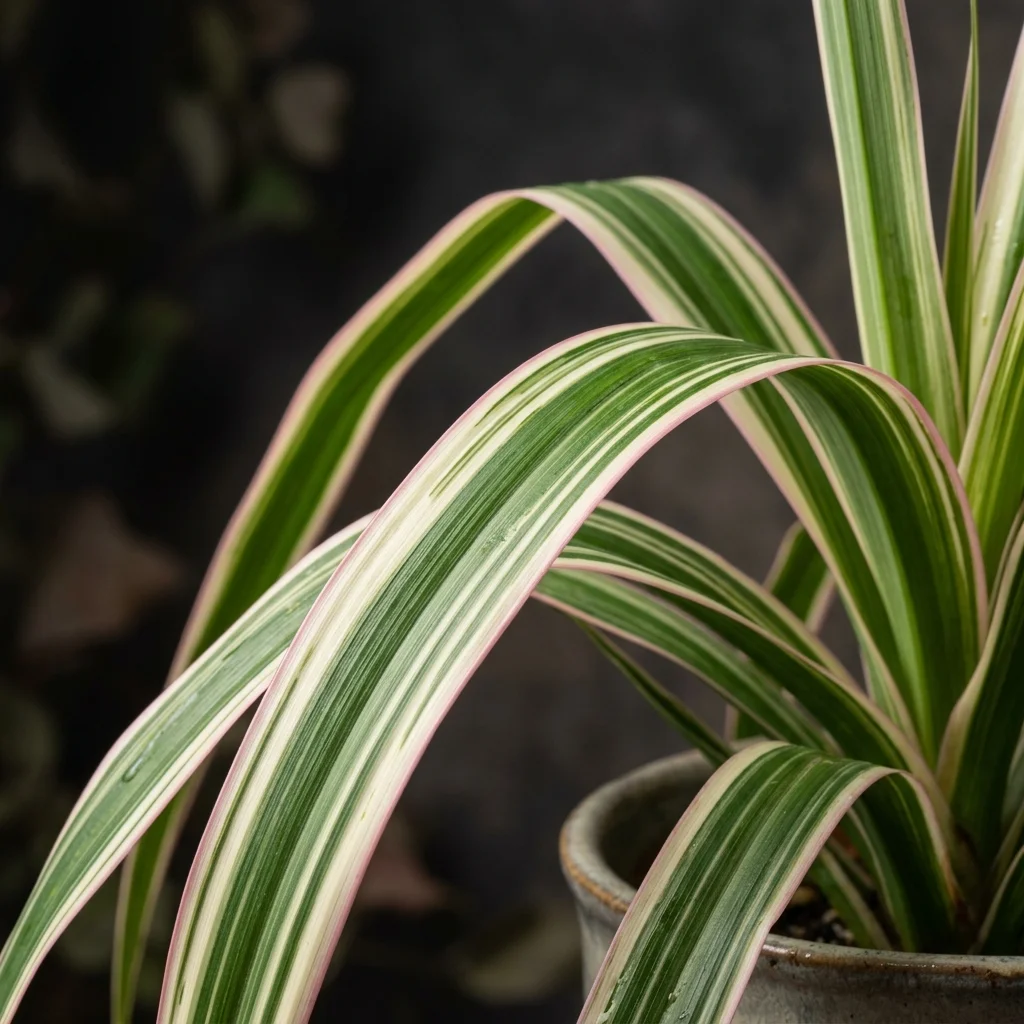
How to Identify Broadleaf Sedge
Broadleaf Sedge (Carex siderosticta 'Variegata') is a remarkable botanical species widely appreciated for its unique aesthetic and structural appeal. Recognizing its definitive visual traits is key to distinguishing it from other similar plants.
-
✔
Key Visual Features: Key Visual Features: Stiff, solid triangular or round vertical stems rising in graceful clumps directly from strong underground rhizomes.
-
✔
Color Variations: Color Variations: Vivid emerald greens, chartreuse, rich bronze, or cream-striped blades depending on the potted cultivar.
-
✔
Common Confusions: Common Confusions: Often mistaken for true ornamental grasses, but easily distinguished in pots by their solid stems and three-ranked foliage arrangement.
Complete Care & Cultivation Guide
Follow our detailed scientific care guide to keep your Broadleaf Sedge thriving and gorgeous all year round.
Common Diseases & Treatment
Root Rot (Overwatering)
Symptoms: Leaves turn soft and yellow at the base, shrivel and drop prematurely, accompanied by a mushy root system and foul soil odor.
Foliage Rust
Symptoms: Small powdery orange or brown pustules appear on the linear leaves under humid, poorly ventilated indoor conditions.
Frequently Asked Questions
Why is this sedge called 'Broadleaf'? How does it differ from other sedges?
Most sedges have narrow, hair-like, or needle-like grass leaves. Carex siderosticta is highly unique because it features exceptionally wide, flat, strap-like leaves (up to 1.5 inches wide) that look exactly like miniature bamboo or Hosta leaves, providing a lush, tropical texture.
Does Broadleaf Sedge die back in winter?
Yes. Broadleaf Sedge is a deciduous sedge. Its lush variegated leaves will dry and turn brown in late autumn, and the plant will die back completely to the ground in winter. Cut the dried leaves flat to the soil in late winter to clear the crown for fresh pinkish spring growth.
Why are the leaf tips of my Broadleaf Sedge turning dry and brown?
Dry, brown tips are typically caused by intense, direct afternoon sun (which scorches the wide variegated leaves) or dry, nutrient-starved soil. Keep the plant in partial to full shade and ensure the soil remains consistently moist.
Does Variegated Broadleaf Sedge spread aggressively?
No. It spreads slowly and gracefully via short underground rhizomes to form a dense, weed-suppressing groundcover mat, but it is completely non-invasive and easy to manage in shaded beds.