Blue Fescue Care & Identification Guide
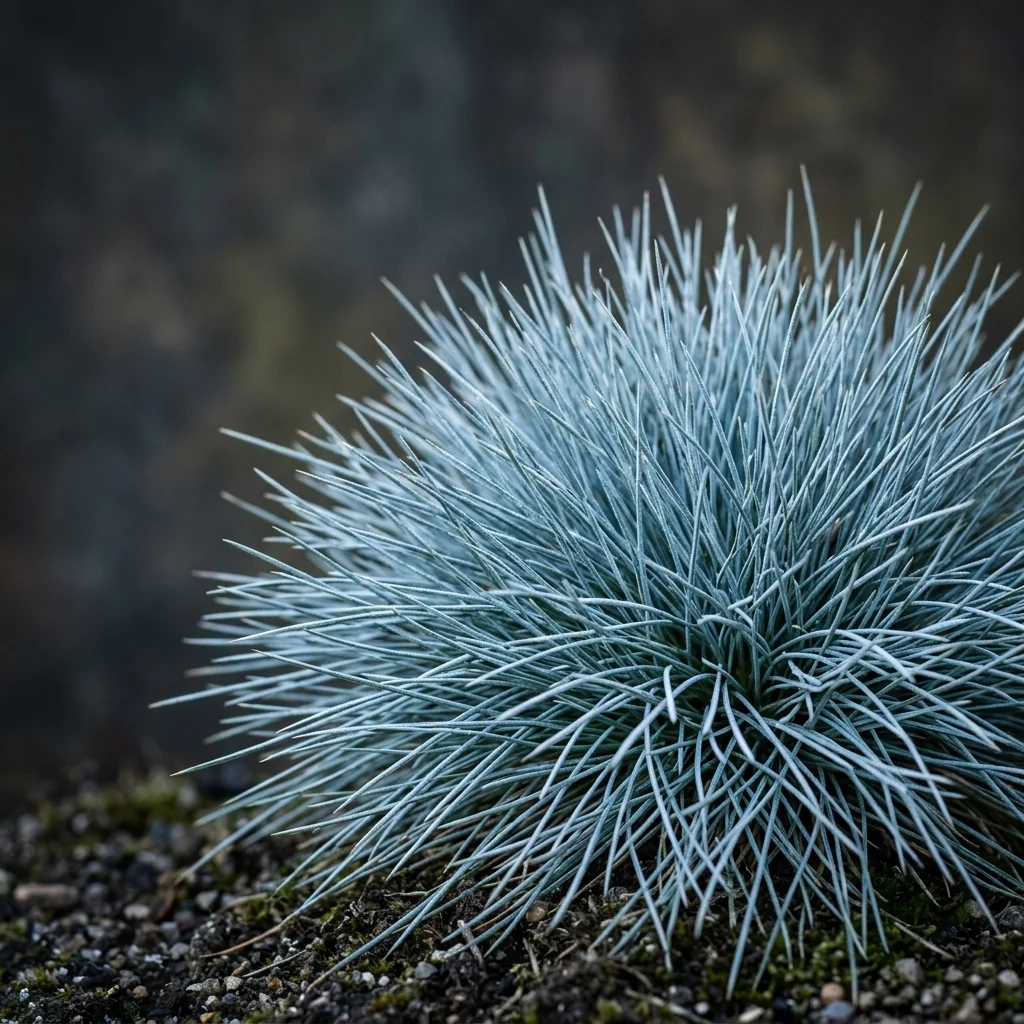
Blue Fescue 'Elijah Blue' is the absolute champion of small-scale colorful grasses, forming a tidy, highly compact semi-spherical tuft of needle-like leaves. It is celebrated for its intense ice-blue to silvery glaucous coloration, which is maintained throughout the hottest summer months. Its neat, non-spreading habit makes it a premier choice for rock gardens, geometric landscape designs, and container edges.





How to Identify Blue Fescue
Blue Fescue (Festuca glauca 'Elijah Blue') is a remarkable botanical species widely appreciated for its unique aesthetic and structural appeal. Recognizing its definitive visual traits is key to distinguishing it from other similar plants.
-
✔
Key Visual Features: Key Visual Features: Dense arching clumps of narrow linear foliage, topped in summer by feathery, bottle-brush, or metallic flower panicles.
-
✔
Color Variations: Color Variations: Blue-grey blades, warm golden stripes, pink-flushed panicles, or waxy emerald foliage.
-
✔
Common Confusions: Common Confusions: Resembles wild lawn weeds when small, but recognized by their tight, neat clumping growth and showy tall flower spikes.
Complete Care & Cultivation Guide
Follow our detailed scientific care guide to keep your Blue Fescue thriving and gorgeous all year round.
Common Diseases & Treatment
Root Rot (Overwatering)
Symptoms: Leaves turn soft and yellow at the base, shrivel and drop prematurely, accompanied by a mushy root system and foul soil odor.
Foliage Rust
Symptoms: Small powdery orange or brown pustules appear on the linear leaves under humid, poorly ventilated indoor conditions.
Frequently Asked Questions
Why is my Blue Fescue grass turning green?
Turning green is a classic symptom of excessive shade or overwatering. The steel-blue hue is a protective waxy powder on the blades. In low-light or constantly wet conditions, the plant stops producing this glaucous coating, making the leaf turn green. Relocate the plant to a full-sun, gravelly bed to restore the blue color.
Why is the center of my Blue Fescue clump dying out?
Center die-out occurs naturally as the clump ages (usually every 3 to 4 years), especially in hot, humid climates. To rejuvenate the plant, dig up the entire clump in early spring or autumn, split it into smaller divisions, discard the dead woody center, and replant the healthy outer blue rings in well-drained soil.
Can I mow or cut back Blue Fescue in the spring?
Yes. While you can simply comb out dead foliage, pruning 'Elijah Blue' down to about 3 inches in late winter or early spring is highly effective for encouraging a flush of fresh, perfectly symmetrical, and vibrantly blue foliage mound.
Does Blue Fescue spread aggressively via runners?
No. Festuca glauca is a strictly clump-forming (cespitose) grass that slowly expands outward to a maximum width of about 8 to 10 inches. It does not possess running runners or invasive roots, making it extremely easy to manage.