Ophiopogon planiscapus 'Nigrescens'

Black Mondo Grass Care & Identification Guide

Black Mondo Grass is an extraordinary, highly architectural evergreen plant, celebrated for its highly rigid, arching leaves of an intense, completely pitch-black and deep dark-purple color. Reaching a height of 8 to 12 inches, it is a premier choices for modern minimalist gardens, rock garden edges, and dramatic gravel borders.


Sunlight Icon
Sunlight Full Sun to Part Shade (full sun or bright light is essential to maintain the deepest black color).
Watering Icon
Watering Moderate; prefers consistently moist, well-draining soil. Do not overwater.
Soil Mix Icon
Soil Mix Moist, humus-rich, well-draining acidic to neutral soils; adaptable.
Temperature Icon
Temperature 15°C - 25°C
Toxicity Warning Icon
Toxicity Non-toxic to pets; safe for dogs and cats.
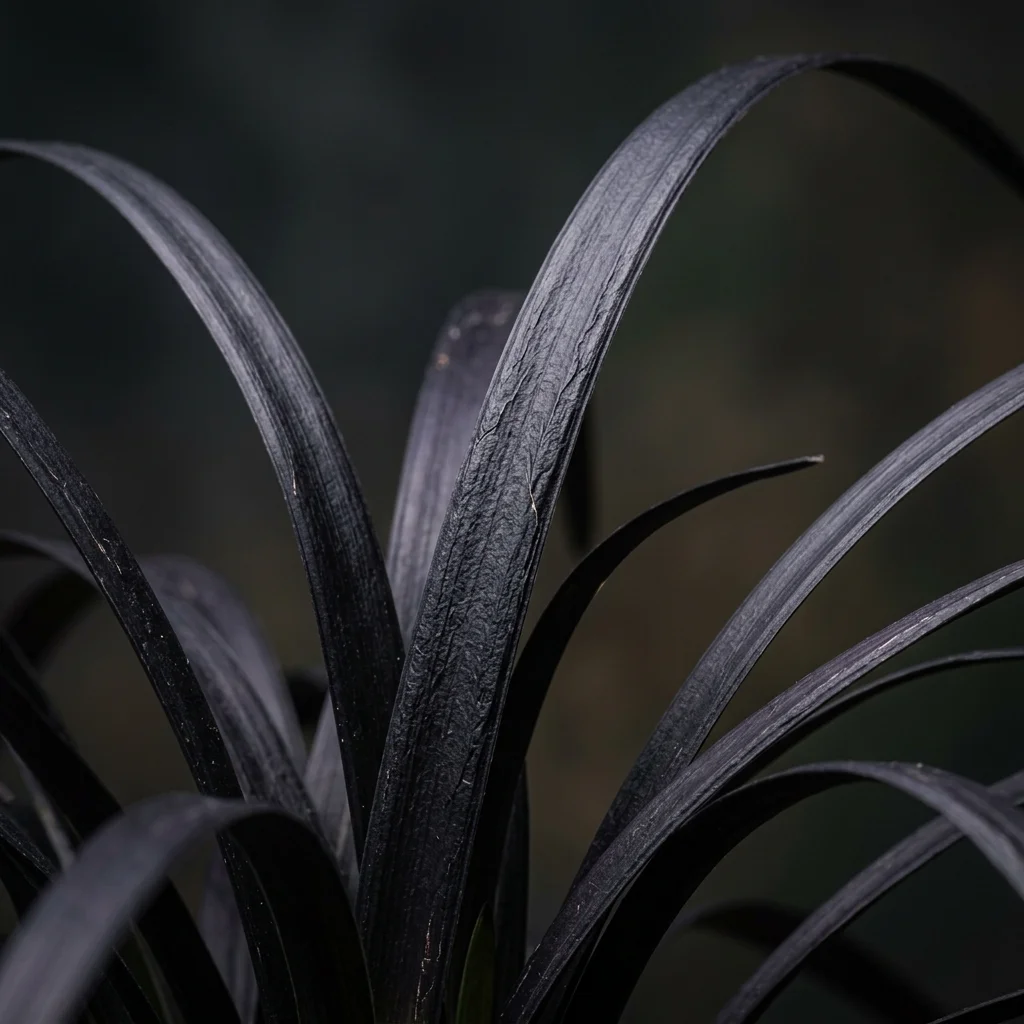
Botanical macro photography of Black Mondo Grass (Ophiopogon planiscapus 'Nigrescens') - Plant AI care database

How to Identify Black Mondo Grass

Black Mondo Grass (Ophiopogon planiscapus 'Nigrescens') is a remarkable botanical species widely appreciated for its unique aesthetic and structural appeal. Recognizing its definitive visual traits is key to distinguishing it from other similar plants.

  • Key Visual Features: Key Visual Features: Dense arching clumps of narrow linear foliage, topped in summer by feathery, bottle-brush, or metallic flower panicles.
  • Color Variations: Color Variations: Blue-grey blades, warm golden stripes, pink-flushed panicles, or waxy emerald foliage.
  • Common Confusions: Common Confusions: Resembles wild lawn weeds when small, but recognized by their tight, neat clumping growth and showy tall flower spikes.
💡 Plant AI Tip: Not sure? Take a photo with Plant AI to identify your houseplants instantly.

Complete Care & Cultivation Guide

Follow our detailed scientific care guide to keep your Black Mondo Grass thriving and gorgeous all year round.

Extremely water-efficient once established in pots. Water deeply only when the top 3 inches of potting soil are completely dry. Typically, water once every 2 weeks. Potted grasses are highly prone to root rot if left sitting in stagnant water.
Prune the entire potted clump back to 3 inches above the soil in late winter to clear old dried blades and allow fresh green shoots to emerge cleanly. Gently wipe linear leaves with a damp cloth to clear dust.
Requires very little fertilizer. Heavy feeding causes the indoor foliage to grow too rapidly, weaken, and flop over. Apply a single light feeding of balanced liquid houseplant fertilizer in spring.
Demands high-intensity bright light. Place directly on a sunny south-facing windowsill or in a bright sunroom. Insufficient light leads to weak, floppy blades and a loss of compact clumping form.
Thrives in a sandy, lightweight, fast-draining succulent potting mix with a pH of 6.0 to 7.0. Mix 50% cactus potting soil, 30% perlite, and 20% coarse sand to ensure water drains away rapidly.
Easily propagate by dividing mature clumps during spring repotting. Slide the plant out, split the root ball into smaller sections with healthy shoots, and pot them in fresh fast-draining soil.
Thrives in warm indoor temperatures of 15°C to 28°C. Extremely cold-hardy, but protect potted roots from extreme sub-zero freezing drafts near open windows in deep winter.
Select a medium to large terracotta pot with bottom drainage holes. Terracotta is ideal because its porous clay walls allow potted roots to breathe and excess soil moisture to evaporate.
Largely pest-free indoors. May occasionally host spider mites or aphids if kept in dry, unventilated spaces. A thorough rinse in the sink followed by neem oil spray easily controls minor pests.
Prone to powdery mildew or foliage blight if kept in humid, stagnant indoor corners. Avoid overhead watering, empty the drain tray, and place in a ventilated room to prevent rot.
Potted ornamental grasses add gorgeous natural movement and texture to indoor spaces. Place them on sunny window ledges where the light can catch the delicate linear blades beautifully.

Is your Black Mondo Grass leaves turning yellow, dry or brown?

Keep your indoor garden vibrant. Take a photo with Plant AI to diagnose pests and leaf spot diseases instantly.

Diagnose My Plant

Common Diseases & Treatment

Root Rot (Overwatering)

Symptoms: Leaves turn soft and yellow at the base, shrivel and drop prematurely, accompanied by a mushy root system and foul soil odor.

Action: Drastically cut watering. Remove mushy leaves, wash away old soggy soil, prune rotten black roots, and repot in dry succulent mix with drainage holes.

Foliage Rust

Symptoms: Small powdery orange or brown pustules appear on the linear leaves under humid, poorly ventilated indoor conditions.

Action: Isolate the plant, prune infected leaves, and spray with a copper-based organic fungicide. Improve indoor ventilation.

Frequently Asked Questions

Is Black Mondo Grass a true grass?

No. Despite its common name, Ophiopogon is not a member of the Poaceae (true grass) family. It belongs to the Asparagaceae (asparagus) family and is closely related to Lilyturf (Liriope) and麦门冬. It spreads via underground stolons and keeps its foliage year-round.

Why is my Black Mondo Grass growing so slowly?

Ophiopogon planiscapus 'Nigrescens' is naturally an exceptionally slow-growing plant. It takes several years to form a dense, full clump or cover a small border. Gardeners are advised to plant them closely together if an immediate border cover is desired.

Does Black Mondo Grass keep its black color in the shade?

While it can tolerate shade, planting it in deep shade will cause the leaves to lose their deep obsidian-black shade, reverting to a dull, dark forest-green. Bright light, morning sun, or partial sun is essential to trigger the deep black pigmentation.

How do I clean up Black Mondo Grass in the spring?

Since it is an evergreen groundcover, do not cut it back to the ground in spring like deciduous grasses. Doing so will sever the slow-growing leaves. Simply use hand shears to clip off any individual leaves that became winter-bleached, damaged, or brown.

No more dying plants. Grow healthy greens today!

Get Started for Free