Bamboo Grass Care & Identification Guide
Bamboo Grass, also known as Giant Cane or River Cane, is a unique, evergreen woody grass native to the southeastern United States. It is prized for its lance-shaped, deep-green leaves arranged in elegant fans along upright, woody cane-like stems, serving as a highly effective evergreen groundcover or dense wetland stabilizer.





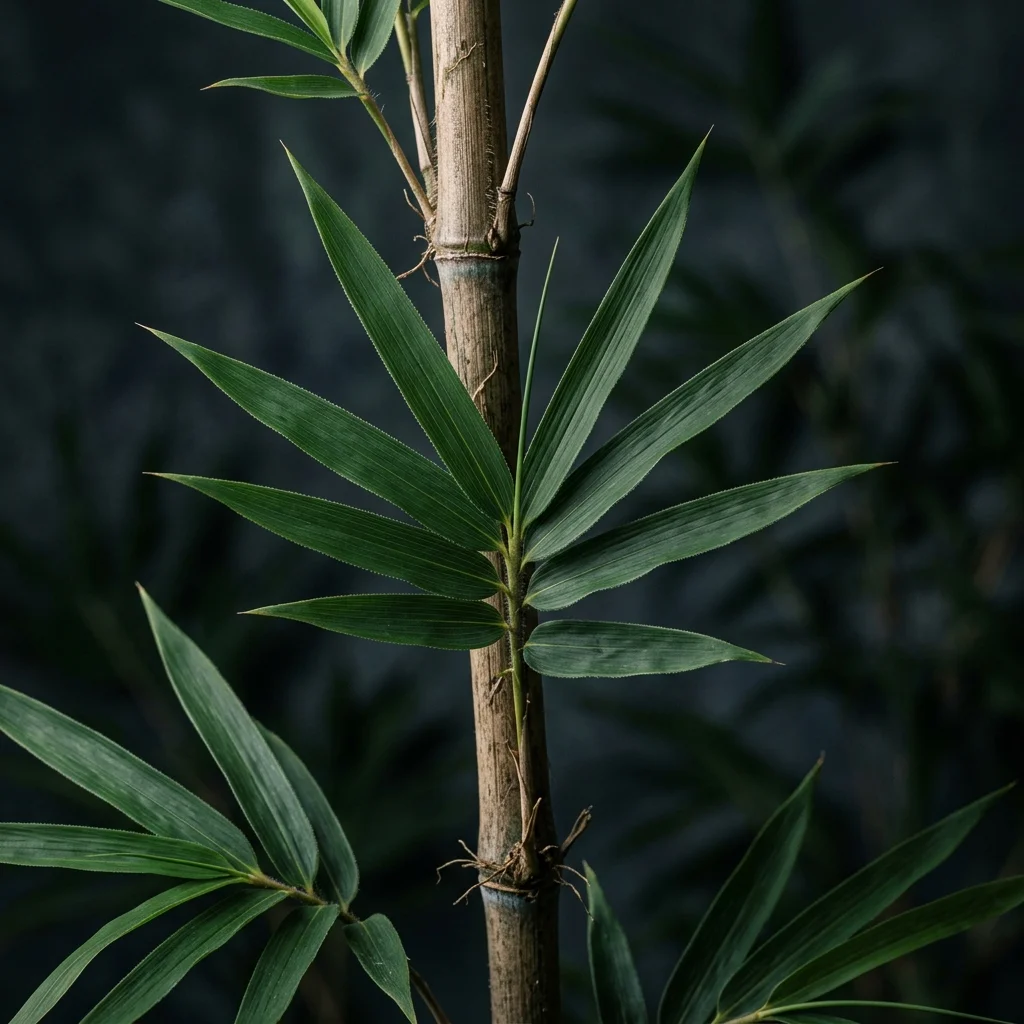
How to Identify Bamboo Grass
Bamboo Grass (Arundinaria gigantea) is a remarkable botanical species widely appreciated for its unique aesthetic and structural appeal. Recognizing its definitive visual traits is key to distinguishing it from other similar plants.
-
✔
Key Visual Features: Key Visual Features: Towering culms with wooden nodes and dry leaf sheaths, producing clusters of elegant drooping narrow leaves.
-
✔
Color Variations: Color Variations: Solid forest green, lemon-yellow canes with dark pinstripes, or beautifully variegated green-and-white foliage.
-
✔
Common Confusions: Common Confusions: Reeds can resemble running bamboo, but can be distinguished by their soft herbaceous canes that do not turn fully into wood.
Complete Care & Cultivation Guide
Follow our detailed scientific care guide to keep your Bamboo Grass thriving and gorgeous all year round.
Common Diseases & Treatment
Root Rot (Overwatering)
Symptoms: Leaves turn soft and yellow at the base, shrivel and drop prematurely, accompanied by a mushy root system and foul soil odor.
Powdery Mildew
Symptoms: A dusty white or gray powdery coating spreads across the broad leaves, causing distorted growth in stagnant rooms.
Frequently Asked Questions
How aggressively does Arundinaria gigantea spread?
Arundinaria gigantea spreads via running underground rhizomes, but it is generally less aggressive than exotic Asian running bamboos. However, in moist, fertile soils, it will expand steadily. To prevent it from encroaching into lawns or beds, install a 24-inch plastic root barrier around the planting zone.
Is River Cane completely evergreen in winter?
In USDA Zones 6 through 10, River Cane remains fully evergreen, maintaining its lush green foliage throughout the winter. In the colder edge of its range (Zone 5), the leaves may suffer from winter bleach and turn tan, but the woody canes remain alive and push out fresh green leaves in spring.
What is the historical significance of canebrakes?
Canebrakes once covered millions of acres across the southeastern United States, forming a unique, dense ecosystem that supported a vast array of wildlife, including the extinct Carolina Parakeet. Native Americans utilized the strong canes to craft arrow shafts, baskets, mats, and blowguns.
Can I grow Bamboo Grass in dry soil?
No, Arundinaria gigantea is a wetland plant that will quickly dehydrate, drop its leaves, and die in dry soils. It must have consistently moist, damp, or wet soil to survive and spread successfully.