Arctic Woodrush Care & Identification Guide
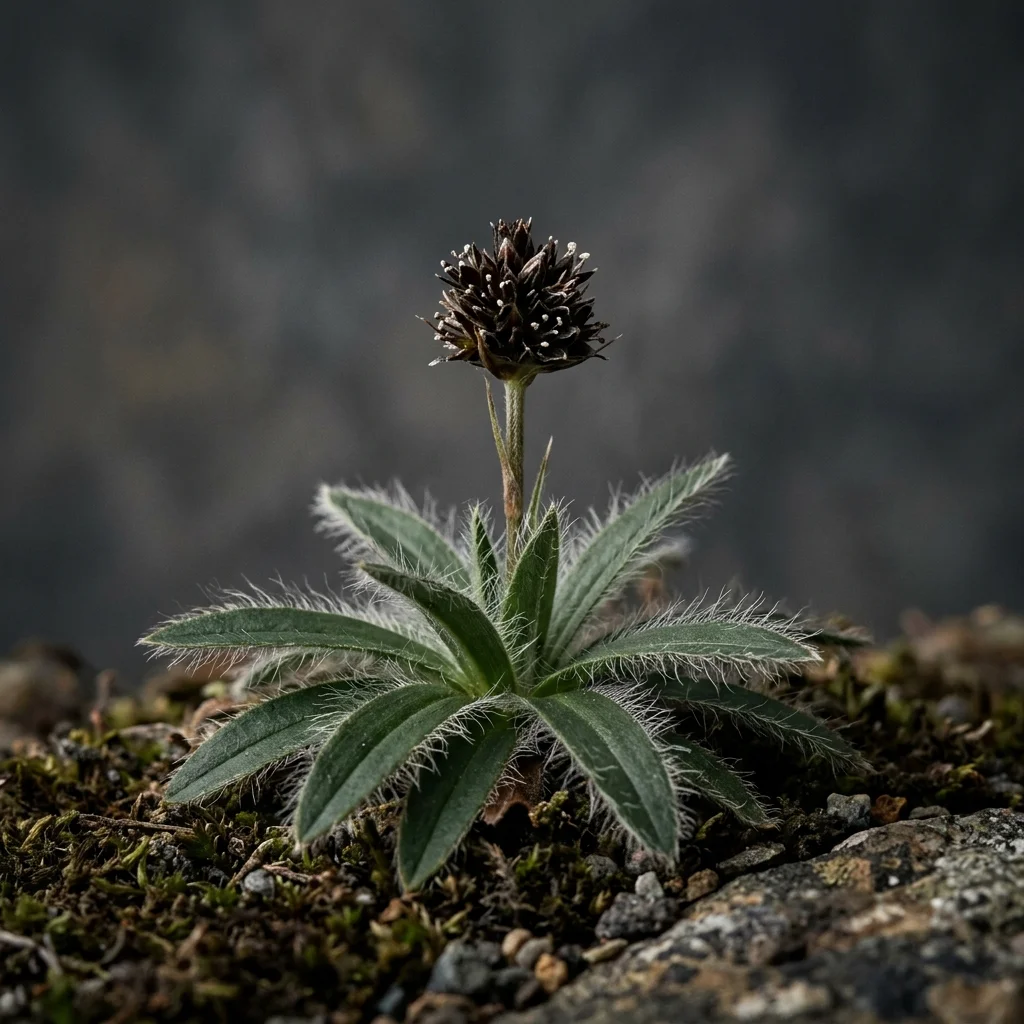
Arctic Woodrush is an incredibly tough, highly specialized polar perennial wild herb, iconic for its flat dark green leaves whose margins are densely fringed with long, soft, cobwebby white hairs. It is a premier, cold-defying pioneer of wet glacial gravels.





How to Identify Arctic Woodrush
Arctic Woodrush (Luzula nivalis) is a remarkable botanical species widely appreciated for its unique aesthetic and structural appeal. Recognizing its definitive visual traits is key to distinguishing it from other similar plants.
-
✔
Key Visual Features: Key Visual Features: Stiff, solid triangular or round vertical stems rising in graceful clumps directly from strong underground rhizomes.
-
✔
Color Variations: Color Variations: Vivid emerald greens, chartreuse, rich bronze, or cream-striped blades depending on the potted cultivar.
-
✔
Common Confusions: Common Confusions: Often mistaken for true ornamental grasses, but easily distinguished in pots by their solid stems and three-ranked foliage arrangement.
Complete Care & Cultivation Guide
Follow our detailed scientific care guide to keep your Arctic Woodrush thriving and gorgeous all year round.
Common Diseases & Treatment
Root Rot (Overwatering)
Symptoms: Leaves turn soft and yellow at the base, shrivel and drop prematurely, accompanied by a mushy root system and foul soil odor.
Foliage Rust
Symptoms: Small powdery orange or brown pustules appear on the linear leaves under humid, poorly ventilated indoor conditions.
Frequently Asked Questions
Why do the leaves of Arctic Woodrush have long white hairs?
The long, soft, cobwebby white hairs on the margins of Luzula nivalis leaves break up freezing arctic wind flow, keeping the leaf surface warmer and preventing excessive water evaporation.
Is Luzula nivalis a true grass?
No, it is a member of the rush family (Juncaceae). While it looks like a dwarf grass, it has botanical characteristics distinct from true grasses (Poaceae).
How big does Arctic Woodrush grow?
It is an extremely dwarf plant, usually growing only 2 to 6 inches tall, forming a neat, compact rosette close to the cold soil.
Is Arctic Woodrush toxic to household pets?
No! Arctic Woodrush is completely non-toxic and safe for all dogs, cats, and domestic animals.